CRACK ON with North East comedian Gavin Webster

The first comic I heard that brought on huge belly laughs was Richard Pryor when I watched the video of his 1979 live show from Long Beach, California. I mentioned this to Gavin when I met him in Newcastle’s Centurion bar.

I met his daughter after a show for multiple sclerosis, that’s what he died of. I asked her about his films and other work, and yes she was a nice woman.

She does all the legacy stuff like Keith Thompson does for Bobby Thompson – there’s always one child who keeps it going with all the memorabilia.
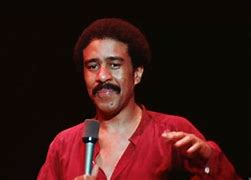
Richard Pryor.

SCHOOLS OUT

When I was at school I was quite withdrawn, sometimes I’d open up but only to people I knew well. I wasn’t the class clown. My family are probably on the spectrum of autism, back in the day you were called eccentrics.

My mother was involved in amateur dramatics and sang in choirs in Blaydon where I was brought up during the ‘60s and ‘70s.

Back in the ‘40s and ‘50s living on a council estate you went to these types of societies in working class areas. It was post war coming out of austerity and getting some hobbies to colour your life.

People were too busy with their different clubs to have a popular uprising or revolution like in Russia. There were plenty sporting clubs, and things like the Welsh speaking society.

Here we are next to the Lit and Phil in Newcastle (Literary & Philosophical Society) and it’s not full of hoity toitys, our obsession to be part of clubs and getting together stops us from taking up arms.

GENERATIONS

Stand up is the loneliest job – you’re on stage with just a microphone, and when I started people were shouting ‘Tell us a joke’ but you don’t really get that now and nobody says ‘I can’t understand these comedians now, they don’t tell jokes anymore, it’s all stories’. That’s all changed, we’ve moved on.

We’re both old enough to know a generation of people before popular music. They weren’t appalled by rap or punk, they were shocked by rock n roll. But where’s the rebellious phase now ? The Sex Pistols are over 65 – the games up.

CRACK ON

When I stumbled into this in the early ‘90s it was called Alternative Comedy so I missed out the working men’s club circuit. A friend of mine, Les Stewart took me to The Cumberland Arms in Byker in 1992 on a night called The Crack club.

Tyne Tees TV were filming a documentary there. Ross Noble was doing one of his first gigs, Tony Mendoza and a few others were on. At the end of the night Les said, ‘Right we’re doing this next month as a double act’.

I wasn’t sure at all but he gave me all the straight man lines to his funnies. I thought it was terrible. We were called Scarborough and Thick, like Morecambe and Wise. We ended up doing it a few times, I wasn’t keen.

But we ended up doing our own night at The Barley Mow in Gateshead and I had my own five minutes. There was a buzz for the whole scene.

A year later Les drifted out and I reverted back to my own name and done a few more shows. It was a lot of North East gigs but you’d meet other acts from Manchester, Glasgow or Cardiff who’d pass on numbers of promoters for different venues around the country.

There’d be a few opportunities and they’d lead to ringing up clubs in London. Really it was much more innocent then cos there was only forty comics in the whole country.

ACROSS THE BORDER

When I first went to London people called you Northern, but sometimes we can be arrogant thinking everybody should know where Geordies come from. But they see you as generically Northern.

For a long time, people thought Newcastle was in Scotland. It’s more of a distinction now with Ant and Dec on the telly.

In 1995 I done a talent show in The Guilded Balloon in Edinburgh called ‘So You Think You’re Funny’. The organiser wanted regional heats to make it more like a proper national competition.

She got me in this heat by practically twisting my arm but I didn’t get through in the end, so I thought that’s it I ‘ve had a good couple of years I’m not going to be a comic now.

The winner of our heat was Johnny Vegas (Benidorm) and the overall winner was Lee Mac (Not Going Out, Would I Lie to You). I since heard that the little competition in 1995, had by 2012 over 45,000 applications.

There were preliminary heats, regional heats and eventually whittled down to semi-finals in Edinburgh and the big final. So, what’s happened in society for those numbers to change ? Is it just a nice career option ?

In the North East you sometimes need a few strings to your bow to work in entertainment but on TV I don’t want to see stand-up comics presenting cookery shows. I think surely that’s not what you got into this for ?

You can just have a great Edinburgh which can lead to a BBC TV show which can be down to good marketing and hype or having a bit of good luck – or bad.

Some people have got the confidence, they can make it sound like they have invented something when they didn’t – history is written by the winners as they say.

It’s the ones who can capture the imagination of the British public, not necessarily the ones that are the most original. There are loads of examples in popular culture, music and art.

NEW YORK TERROR ATTACKS 2001

I think from what I remember I worked on the Wednesday (the next night) after 9/11. It was at Manchester Comedy Store and it was for a topical satire show ironically enough.

The whole show with about five of us on the bill wasn’t so much a humorous take on the week’s news like it was every week previous for the past two years, rather it was a fairly sombre night wondering whether the world as we knew it would be intact by next week.

It was more surreal than very sad but it did have a dark cloud hanging over it and was like no other gig I’ve done before or since.
SHOW MUST GO ON

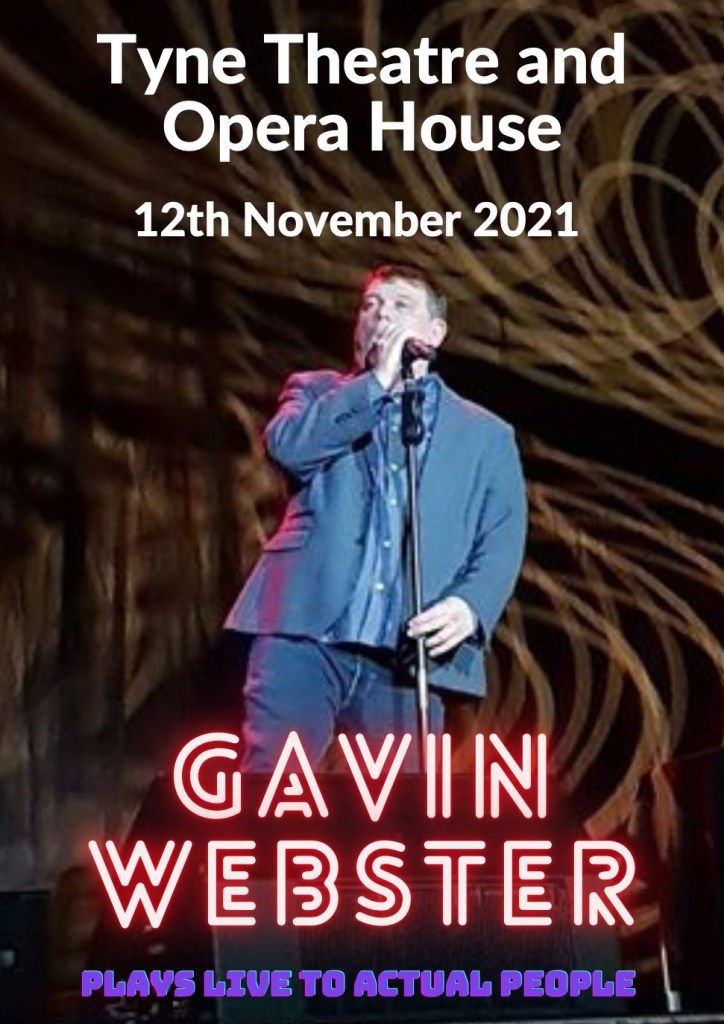
I’ve got a show at the Tyne Theatre in November, I’ve done a few for them before in the venue. I’m working on it now, nothings finalised for it, could be great – or a disaster.

I’m working on new stuff, and you can’t not mention what’s happened over the last 15 months it would be absurd to not talk about what’s gone on.

I’ll just talk about how its been for me you can’t pretend to get angry or tell it how it is because I’m not that type of person – you’ve just got to do your take on it.

Tickets available from Tyne Theatre & Opera House NOW for 12th November 2021.

Interview by Alikivi  June 2021

NORTHERN MELODY with North East musician & ex- Kane Gang member, David Brewis

I’d been listening to a mix of punk/rock/metal so when The Tube came kicking and screaming onto our TV screens on 5 November 1982 it opened up a whole world of different sounds and sights.

Broadcast from Newcastle, I was lucky enough to get audience tickets for the live music show, and a band who appeared a few times were The Kane Gang.

I got in touch with Dave Brewis from the Gang who remembers those times.

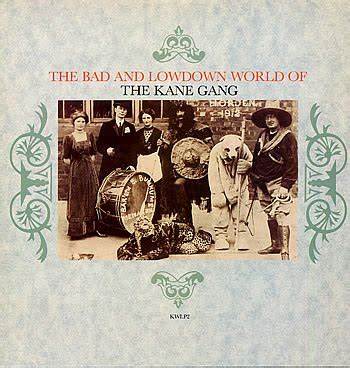
Martin Brammer, Dave Brewis & Paul Woods.

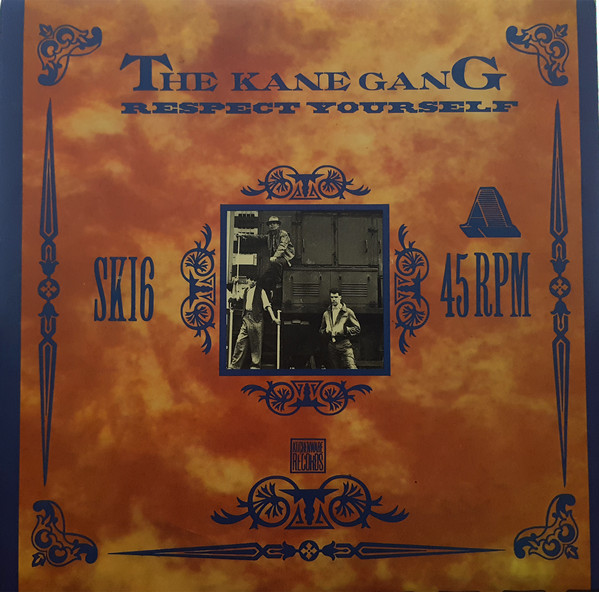
We played live on The Tube a number of times, four I think. But the music video for Respect Yourself was filmed partly on the River Tyne at Wallsend near Swan Hunter’s, also on Newcastle Quayside during Sunday market and maybe in a room at Kitchenware.

I think they did some camera shots on the Metro going over the bridge from Gateshead. I was wearing my dad’s heavy overcoat that he bought in 1953.

Smalltown Creed was filmed in Seaham Harbour and at the Vane Tempest social club along the road where as 15 year olds we once rehearsed. Some other shots were done in and around Seaham, like on the Avenue and around and about.

It was very true to our roots I suppose. Top of the Pops had to wait until our third single Closest Thing to Heaven, which we did twice.

One Tube show included Newcastle based independent label Kitchenware records. The programme featured interviews with Keith Armstrong from the label management team and performances from Hurrah, Martin Stephenson & the Daintees, an earliest known TV appearance from Prefab Sprout and The Kane Gang.

That first Tube thing was filmed in the Barn restaurant in Leazes Park Road. We had nobody managing us until our friends in Prefab Sprout mentioned Keith Armstrong who had already formed Kitchenware Records with some partners.

He offered them a record and management arrangement, and originally our two bands were going to work on a label together.

So if Keith liked us we would go along with him, apparently he knew the business on a national level. Kitchenware were also established at promoting gigs that were seen as hip or different, so that was good – eventually he offered to work with us.

FIRST STRIKE

When I was three or four I heard a song on the radio called Singing the Blues, possibly Tommy Steele’s UK hit, Guy Mitchell also done a USA version.

But that was it for me I wanted a guitar and wanted to play Singing the Blues. My cousin loaned me a plywood guitar, it was taller than me and it made a noise.

Then I heard The Beatles and I wanted a bass like Paul McCartney’s, then when I saw The Who on the telly I wanted to do all that. Then Jimi Hendrix, Fleetwood Mac and so on.

There was a school band that included a lad from Seaham called Martin Brammer who was a really great singer. We were maybe 15 and talked about writing our own stuff. We were serious.

Around the late 70’s early ‘80s I was offered a gig with North East band The Showbiz Kids – going to London to make it. I didn’t know them or why I was asked, so it seemed a crazy idea and definitely not up my street. Plus no way was I going to abandon what we were already doing.

I always hated the idea of going to London, it seemed really old fashioned and rock-ist. Nothing against London, but sharing rooms and having no money to live on was not my idea of being a musician.

It seemed to be a rite of passage for a lot of bands who were the music press darlings, so we were against the grain. Plus, we held the opinion that the London scene wasn’t what it used to be. It was changing and going through a dull patch.

GANG OF THREE

Maybe we were a generation that didn’t think that playing rock n roll for a pub audience was something with an artistic future. Although I thought we were a great live band, it just wasn’t all about the live thing for us. We wanted to make records, get on radio and in magazines.

After listening to Roxy Music, 10cc, Steely Dan, and Hall & Oates, live work for its own sake was not on the menu. But making a great album was.

We figured we could do it if we didn’t compromise. I don’t think we ever doubted we could do it. We worked hard at writing our own songs and trying to be as good at it as the artists we admired.

Over the years Martin Brammer and I wrote together under various names then hooked up with Paul Woods and some other musicians and did some North East gigs.

I had been to college in Newcastle and picked up work playing bass for local dance bands – four-hour gigs after a full day’s work.

We were always working on our own stuff until 1982 when we became The Kane Gang and played an open air gig on Newcastle’s Town Moor as a three piece with backing tapes.

The Kane Gang didn’t want to tour until we were ready to headline, we didn’t fancy the thankless slog of being a support band, so it was after our first couple of records, just before our first album when we did tour, although we did several local one off headline gigs before that, like Newcastle Tiffany’s.

Single cover for ‘Respect Yourself’.

WELCOME TO THE MACHINE

First experience in a recording studio was fascinating and a little intimidating. When I was 18 I used to rent a couple of hours now and again in Spectro Arts Centre, Newcastle, where they had a synthesiser and a four track machine.

Our first real recording experience as The Kane Gang was in Palladium Studios, Edinburgh. It was run by a musician so very easy to fit in.

Everything seemed to have a million different coloured knobs and looked very complicated, but I knew how tracking and overdubs worked from listening to records.

I could pick out different guitar and keyboard lines and figure out harmonies. I had studied arranging too, so that side of it was ok. I knew how to play along with tracks and layer sounds, but I had little idea about shaping the sounds, in those days the engineer did that for you.

We recorded our first single there in a day, three tracks and mixed a week later. These days it’s easy recording on a laptop, and costs nothing.

Thirty odd years ago it cost serious money per day and was concentrated work. You had to get it right on the day, no fixing it later. And it had to sound great.

SONGS FOR EVERYONE

Sometimes writing came quickly or was a lot of work. Martin and I wrote and re-wrote Brother to Brother the first Kane Gang single, several times. That was our first proper song that was original to us. Then we found a style to work on and wrote when we could.

Smalltown Creed was a lot quicker but a different kind of thing – more funk and hip hop than anything. One day Martin had a piece of paper that had the words Papa papa, ooh ooh on which I thought was great and took to it immediately. It was unlike anything else.

Closest Thing to Heaven existed as lyrics first, Martin based it on a title suggested by Paul. We were trying to write a different song one night when we came upon a musical idea that worked for that lyric. It fitted really quickly and we had the basics of a song in an evening. It was developed and finished off over a few other sessions.

But the song in recognisable form took under an hour – we were certainly in the pub for 9.30pm. I know you don’t get awards for writing a song in half an hour but it would be great if you did. I thought it was a cracking record.

Having said that the more you write the smoother the process, but most songs took quite a few sessions and quite a bit of homework and fine tuning to get them to a state where we were happy.

CAPITAL GAINS

Kitchenware manager Keith Armstrong asked if we could re-mix Brother, Brother and the label would release it as an indie single. We did and Keith got us a singles deal with London Records.

The record went from a local pressing of 1,000 copies to major national distribution within a couple of months. That led to more songs being recorded and after a couple of hits our first album was planned, which seemed hard to get organised with London Records.

It seemed a no brainer to us, we already had two hits and six more songs recorded, and there was only a few more tracks to finish the album. The album was almost ready for November 1984 but was delayed, and the planned release was April ‘85 as there’s always a three month build up for reviews, interviews etc.

But seeing the finished thing was really nice, I think I popped into every shop I knew to see it in the racks or a poster on the wall advertising it. Yeah very satisfying after years of imagining to see it there.

CIRCUIT DASH

By now we had London Records promo team, what an incredible and nice bunch they were. The promotion was all over Europe and we always seemed to be going to a TV studio or a radio interview.

We did TV shows for Brother, Brother and on Channel 4 which seemed amazing. Then on the second single Smalltown Creed, we did lunchtime BBC1 shows and more Channel 4 and got lots of radio plays.

We made a video for most singles and filmed a couple in the United States where we also done a Top of the Pops version, and Soul Train. Looking back it happened pretty fast – it was surreal at times.

ROAD RACING

As our single Respect Yourself was going up the charts we almost didn’t make the first gig of our premier UK tour in 1984. It was all planned for Edinburgh on Friday then Glasgow on Saturday – what could go wrong ?

We were booked on BBC1 TV show Crackerjack live with presenter Stu Francis, other guests were Keith Harris and his duck Orville. After we played the production team let us out early. The limo raced down to Heathrow because we were late – then the Friday rush hour ground to a halt as the airport was fogbound – great.

Eventually we got there and after jumping the queue we got on our flight which was a Tristar plane which luckily could take off in fog. We arrived in Edinburgh and went for a taxi but there were dozens of people ahead of us.

Thing was the show had a curfew where you had to be on and off at a certain time and that was 30 minutes from where we were – and about 5 miles.

Next in line for a taxi was Billy McKenzie of The Associates and he heard our distress as we were offering anyone with a car £50 to get us to the show. Kindly he gave us his cab and we arrived exactly the time we were due on stage. We ran on still in our coats and started playing. I can’t remember the show – I think I was toast by then.

A week later it happened again at a Top of the Pops live appearance, we had to be in Sheffield the same night. Seven of us in a car screaming up the M1. 5 minutes to spare.

GUITAR WORLD

Now I’m recording some tracks with Paul Woods as Autoleisureland, a new project we hope to get out there soon. We haven’t worked together much, it was around 2018 when we met up and talked about recording and writing together again.

Prior to that I was lecturing on a degree course at Gateshead College, and doing sessions and theatre shows, plus buying and selling guitars.

I’ve also made an instrumental album and two other Leisureland albums with Dean Newsome. I played bass for the lovely Ben E. King on his very last UK tour – that kickstarted me into wanting to write and record again.

Interview by Alikivi   June 2021.

Snapshot of Tyneside born Film Director John Irvin

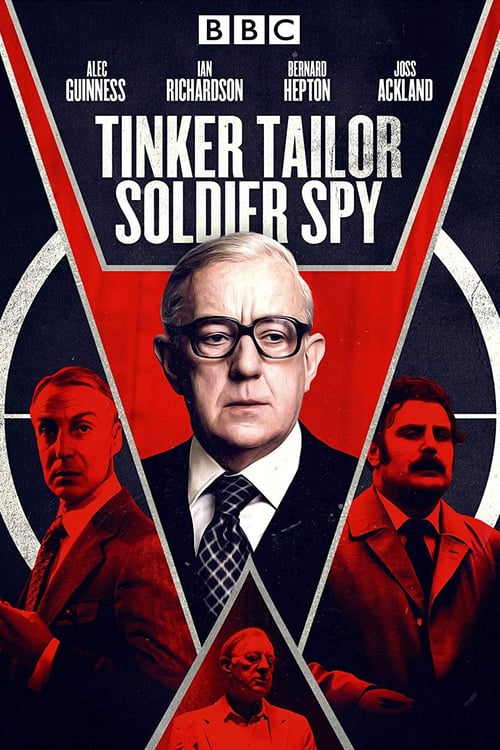
Recently watched TV mini-series Tinker, Tailor, Soldier, Spy and was gripped by its suspense, sharp script and deadly silences, the show had a gritty, claustrophobic look and used shadows to ramp up the pressure.

Shot on old (1979) TV sized 4:3 format, the tight camera angles had no flabby interior widescreen shots, rather than just watching a scene happen you were brought into the film, making a closer connection to the characters who weaved in and out of the programme.

Office meetings were held where another piece of the jigsaw was revealed, and this old boys network was tearing itself apart looking for the mole, as the credits rolled I noticed the director was John Irvin.

Around 2000 I went to the basement theatre in Central Library, South Shields, for a talk by film director John Irvin, who was born in 1940. A search on Ancestry doesn’t reveal the exact town, but in interview on You Tube, Irvin refers to himself as a Geordie.

South Shields residents may recognise the name as his brother had an estate agents shop near the Town Hall – Finn & Irvin. That’s where I bought my ticket for only a couple of quid – we all like a bargain.

Before he went on stage John was greeting people in the foyer, a striking six foot figure in a smart black overcoat, pink shirt and grey wavy slicked back hair. In front of the audience John talked about his career starting in TV in ‘60s London, then Hollywood came calling where he directed over 30 films.

He finished off by telling a story about a film he directed with actor Harvey Keitel. They were about to film a difficult scene so to relax the actors John told Harvey to do something he doesn’t usually do.

‘Yes, but only if you do something’, replied Harvey as he danced awkwardly in front of all the film crew. Next was John’s turn and he started to sing. The song ? Blaydon Races.  

Alikivi   June 2021

COUNTY DURHAM DREAM with South Shields born singer & songwriter Vinny Edwards

Vincent Edwards.

From his home in Germany, Edwards recently got in touch and talked about his career in the music biz.

Earlier posts have featured his 1976 chart hit Right Back Where We Started From and his smash in Europe Love Hit Me.

Vinny was brought up in the seaside town of South Shields where he listened to the ‘60s sounds of Sam Cooke before he joined his first band The Invictors.

Then he joined The Answers who recorded two singles and were managed by Tony Stratton Smith.

‘Just after The Answers parted, amicably I might add, United Artists record company signed me and I went into a studio in Tin Pan Alley, London and recorded the track ‘County Durham Dream’, that was 1967.

In fact it was the first song I wrote when I left South Shields, it reminds me as a kid every day at Shields beach looking out to sea – still makes me emotional’.

’Recording in the studio on drums we had the great Clem Cattini, on guitar was Big Jim Sullivan who later played with Elvis. Loved that time.

You know ‘County Durham Dream’ achieved everything I wanted – it opened lots of doors and most of all let me know where I come from, still does now’.

The choice for the b-side ‘It’s the Same Old Song’ was written by Holland/Dozier/Holland. During the ‘60s they were the masters of Motown who wrote classics recorded by Marvin Gaye, The Supremes, Martha & the Vandellas and The Four Tops to name a few.

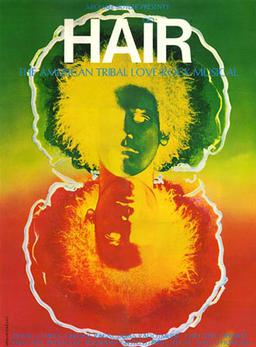
‘This led me to the next single which was ‘Aquarius’. That record was also on United Artists and I got a contract to open the musical ‘Hair’ at the Shaftesbury Theatre, London’.

Hair is a musical focusing on the long haired hippie culture and sexual revolution of the late ‘60s.

The focus is a tribe of politically active hippies living a bohemian lifestyle in New York City fighting against conscription to the US army and the Vietnam war.

The show has been staged worldwide with a Broadway revival in 2009, a West End revival in 2010 and in 2019 the production staged a UK tour.

‘That 18 month run was the greatest time of my life. There was Paul Nicholas, Elaine Page, Maxine Nightingale – who sang my hit, ‘Right Back Where We Started From’. Tim Curry was in with Olivier Tobias, Marsha Hunt, Sonja Christina and many more’.

‘I remember the opening night like it was yesterday – I danced with Princess Anne on stage. Yeah ‘Hair’ led to more show biz doors opening as a performer, writer and record producer. It’s still performed around the world today. Check it out on You Tube’.

Link to previous interviews:

RUN TO THE SUN with South Shields born singer & songwriter Vincent Edwards | ALIKIVI : NORTH EAST UK (garyalikivi.com)

Interview by Alikivi June 2021

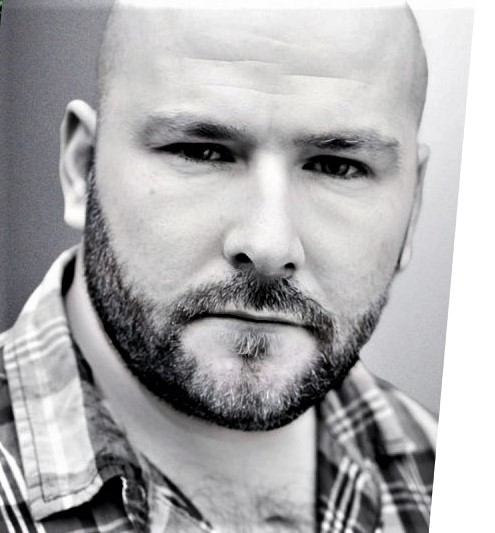
FRINGE BENEFITS with North East actor & writer Wayne Miller

Really when I was young I wanted to be a stuntman. I was a huge fan of Jackie Chan. I watched every martial arts film, Bruce Lee, the lot. I thought acting would help me to be a stuntman because a lot of Asian stars are actors and martial artists.

So at school I got into acting on stage, but when I got further into it, it just felt right, natural really, it was never hard work. Playing guitar was harder work but acting definitely came easier and it helps a lot playing someone else and forgetting my day to day worries.

GUNNER MILLER

I first performed at the Edinburgh Fringe Festival in 1998 on a three week run with a show called The Machine Gunners. That was at the end of our year in drama with South Tyneside College. While we were up there we saw a few shows some were in venues the size of a cupboard.

It’s like Russian roulette you might get one gem from five shows. Some have gone on to be professionally produced like Jerry Springer the Opera, I saw Six the musical which transferred to the West End, it’s on a UK tour this year.

It’s a testing ground for shows, some people think they’re going to make money, but you’re a fool if you think you can – if you do it’s a bonus.

The best thing is test your work out, get some reviews, draw up some interest, and if you have a tour planned use it as a springboard. You might be lucky if a promoter spots it and comes onboard to produce it.

CALL TIME

You aren’t going to please everyone. If you’ve sold tickets and people come back you’ve done a good job. One critic can give you a good review, the next doesn’t. That’s just the nature of the business.

It’s the hardest slog doing the entire month of August because you are competing against thousands of shows, it’s a big competition fighting to get people in.

You get in 5-10 minutes before showtime, get all your props in place, costumes on… then bang, on the button, perform, take yer bows. At the end you’ve got five minutes to get out the building.

Some companies have three shows on, so they have to scoot over the other side of Edinburgh to do a show.

Just knowing you have done that slog is a proud thing and to have it on your posters and sometimes share a stage with well-known companies. After Edinburgh we brought The Machine Gunners back to South Shields and sold out The Customs House theatre for a few nights.

A few days after that show I went down south for a year to Maidenhead drama school, it didn’t do a lot for me if I’m honest. I wanted to improve my voice and movement but the majority was learning and reciting monologues.

It wasn’t really working for me and while down there I was receiving offers of work, one being Wearside Jack for ITV.

WEARSIDE JACK

Someone at Tyne Tees saw me in a play and passed on my contact to Sheila Matheson, I think it was. At first I thought it was a wind up (laughs). I mean Wearside Jack I thought he was a lot older than me and really everyone didn’t know that much about him.

It wasn’t until we met that I got to know more about what the production team thought he was like. They said he might have been someone working away on the lorries with Sutcliffe.

I grew a beard to look a bit older and he did have a Wearside accent. There were so many possibilities, one of the theories was that there was two people involved. We had various storylines for him.

We filmed a few scenes in Sunderland, then over in North Shields Fish Quay because there was witnesses that said they had seen Sutcliffe there. One woman in a café near the quay said she had seen Sutcliffe talking to a guy with a North East accent.

We also filmed a version where he was a loner, where he just wanted to attach himself to something, make him feel like a somebody.

We put it out later at night after the 10.30pm Tyne Tees news, and they broadcast an ITV Real Crimes version. We done the same on a programme about a murderer called Billy Dunlop and that focused on the double jeopardy law which was looking to get changed at the time.

This guy had killed his girlfriend, got arrested, went to trial and he was found not guilty. Later he confessed to it but couldn’t be tried again for the same crime, that was the double jeopardy law.

Living those roles was hard, I got to meet the family in the Dunlop case during filming, I was worried about that. To get to know that story and everything around it was hard.

Yeh for a few years I was the go to man to be North East killers. I was getting dodgy looks on the bus from old ladies – they looked over but couldn’t place me, they knew they had seen my face but not sure where, they’d nudge their mate or shuffle away. I thought not to get typecast I’ll have to go to panto land and make people laugh.

BOILIN’ STOTTS

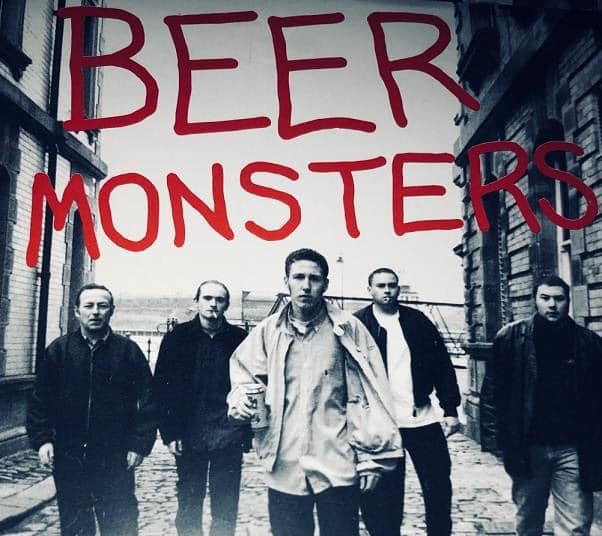
Then it was the North East plays by Boyle Yer Stotts, me and the lads had this theatre company and we were putting our own shows on – Beer Monsters, Pray for Rain, a few others.

But it was hard surviving then, paying the bills. I was also playing rhythm guitar in a few bands – Shake Yer Tailfeather, MG’s and Cookin’ on Gas. The music thing was great at first but at the end it got a bit pressurised.

Really at first it was a bunch of mates getting together playing music and I didn’t want to get in the situation of having to gig a certain amount of times a week.

A friend, Michael McNally was running a government programme called New Deal for Musicians which helped in between gigs, and I done a few pantos so that sort of kept me going. (interview with Michael McNally August 2018)

Cookin On Gas played the workingmen clubs, the whole circuit. Sometimes we’d strip back the numbers because in Shake Yer Tailfeather there was eleven in the band so we hardly played pubs, we done more one off clubs, theatre venues, private shows and corporates.

That lasted until the mid-2000’s when it started to get thin so I began writing and directing stuff at The Customs House. I knew panto inside out so I wrote some of that and added in some stuff for a children’s show that sort of came easy to me.

SCHOOLS OUT

I proposed some school holiday shows to The Customs House, they welcomed the idea so I wrote and directed shows for kids. Parents will always put their hand in their pocket for their kids to do something or go places rather than for themselves. It was steady at first then eventually I was getting a full diary of work.

I prefer writing now because I feel less pressure, I write in my own time where if I’m acting I have to learn a script by a certain time, act at a certain time – I’m up against the clock and if I’m producing a show I have to oversee every part.

CARRY ON COVID

We set up Walton-Gunn productions last year to produce pantos and do some new writing where we can take a risk with shows that might not make any money but are balanced out with panto profit.

Last March we played our first show and at midnight everything was locked down for Covid, so we only did one show in the run, but now we’ve just announced we have a panto season starting.

We have our adult panto Dickless Whittington – bringing back the filth. In the show is Kylie Ann Ford, Jen Normandale,  Steven Stobbs and Megan Robson. I’m a huge Carry On fan, absolutely love them.

I was a huge Sid James fan when I was a kid, yeah Carry-On films were panto, the bawdy humour and jokes (laughs).

Then it’s Sleeping Beauty in August and Wendy the Witch in October. These things like everybody else will be in jeopardy if we are back in lockdown so we’ll see how it goes.

GANGSTER STYLE

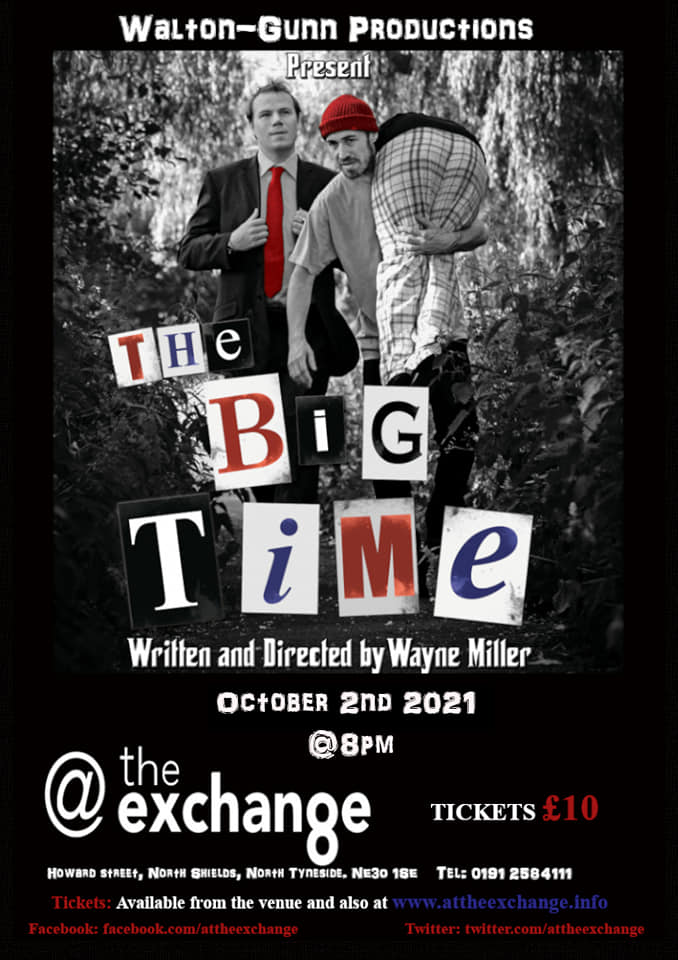
In October my play The Big Time is on in North Shields Exchange and then in London where it’s playing in a fringe pub with a pub downstairs and the gig upstairs with the seating and small stage.

The Big Time was originally put on in Edinburgh Fringe 2018 where it sold well and got good reviews. I wrote it back in 2013 so it’s good it still has life in it. You always look for that in a play.

The Big Time is about two wannabee gangsters who want to get into a criminal organisation so they agree to kidnap someone but end up taking the wrong girl.

They take her to a hut in the middle of nowhere and the gangsters turn up and see it’s the wrong girl. It’s a criminal farce all set in one place and the story is how are they going to get out of it.

Being set in one hut in real time it isn’t restricted about when or where its shown. At it’s core it is so basic you aren’t restricted by any scene changes, it’s just pure dialogue. The plan is to put it on with its sequel – The Big Goodbye– as a double header.

The goal and sign of achievement for a show is for it to last and be brought back time and time again and this one has done really well in that sense.

Adult Panto Dickless Whittington – 8.30pm 11-13 June 2021 at Armstrongs Bar, South Shields

Tickets £12 from ticketsource.co.uk/walton gunn

The Big Time – 8pm 2 October 2021 at Exchange Building, North Shields.

Tickets £10 from the venue. Tel: 0191 258 4111

Interview by Alikivi  June 2021

SEE YOU IN THE MORNING – with singer & songwriters Emma Wilson & Terry Reid

During the past year Emma ‘Velvet Tones of Teeside’ Wilson has produced her EP ‘Loveheart’ and featured on a compilation album in aid of the NHS, ‘Songs of Isolation’.

Other highlights were an interview on American radio and Cerys Mathews BBC Radio 2 Blues show playing her track ‘Wish Her Well’.

Emma & Terry Reid.

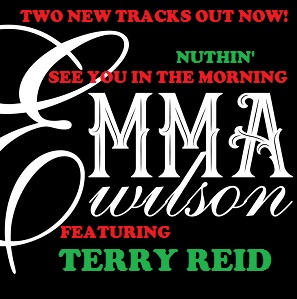
Her new project is a double A side single released 10 June 2021, and it features one of her vocal hero’s.

‘I’m a fan of Terry Reid full stop. I just love his tone and style – it’s a dream come true’ said Emma.

Affectionately known as ‘Superlungs’ Reid has enjoyed a long career in the music biz. He has recorded six albums, featured on film soundtracks and toured with Jethro Tull, Fleetwood Mac and Cream.

In 2016 I was asked by Malcolm Bruce and Pete Brown to sing in the ‘Evening for Jack Bruce’ house band at Shepherds Bush Empire, London. I jovially said that I’ll only do it if you get Terry Reid. Of course Terry was already on the bill’.

Reid lives in the United States so he flew into the UK for the gig.

‘He turned up at rehearsals straight off the plane looking resplendent in white trench coat and silk scarf. He chatted with everyone and then sat down to talk to Pete Brown.

Being a little star struck I walked over and told him we haven’t really met yet, but I did say hello outside the toilets at his gig in The Newcastle Cluny. Pete and Terry both laughed singing my clumsy words back to me saying that would make a great song’.

Wilson and Reid got on well, they chatted about music and the London gig. Emma recalls that night at Shepherds Bush.

‘Terry was lead on ‘White Room’ and I was on backing vocals. At first we (backing singers) weren’t initially on the song, I asked Terry if he thought we could be on it with him and he said ‘Let’s ask Mick Taylor’.

Terry asked me to sing the part to Mick and he said, ‘yeah ok, let’s do it’. We got on well and afterwards Terry and I kept in touch, I’m happy to say we’ve become good pals’.

Over the past year people have found lockdown pretty tough going but by keeping a positive outlook, Emma used the time sharpening her song writing.

‘I had a song ‘See You in the Morning’ and I thought Terry would sound great on it, so I sent it over and he loved it.

To my surprise he asked if I had anymore, and he liked ‘Nuthin’ which we worked on over facetime as he’s in California and I’m North Yorkshire. He’s totally transformed my demos by adding heart and soul – which is what he does best’.

‘I’ve loved the process of making music with Terry even though it was remotely. I hope people love the feel of the songs they are very different from each other.

I think Terry’s influence on the recordings gives them such a cool feel and his vocal and playing are just sublime. I am delighted with how the songs sound’.

The single is available to download from all sites or order your physical copy from:  www.emmawilsonbluesband.bigcartel.com

or www.emmawilson.net

‘See You in the Morning’ (Wilson) Vocals – Emma Wilson & Terry Reid.

Bass, acoustic & electric guitars – Terry Reid.

Keys – Alessandro Brunetta, Drums – Graeme Robinson.

‘Nuthin’ (Wilson) Vocals – Emma Wilson.

Bass, electric guitars, drums, cabassa – Terry Reid.

Keys – Alessandro Brunetta,

Both tracks produced by Terry Reid, mixed by Larry Pederson & mastered by James Arter.

Interview by Alikivi  June 2021
SNAPSHOT of English actress & playwright Eva Elwes (1876–1950).

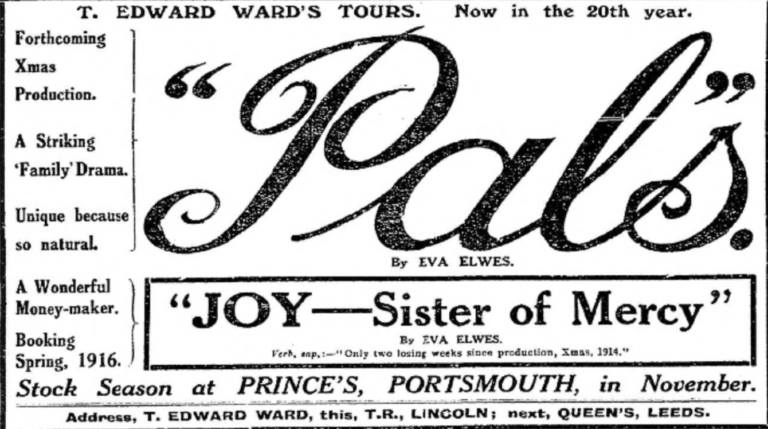
Eva Elwes was born on 1 February 1876 in Somerset. A prolific playwright, she wrote over 50 plays with her first a musical drama His Sister’s Honour in 1907, her last being Rudge, Martin & Baker in 1938.

She married comedian Henry Gilpin in 1898, the couple were cast together in several stage productions but unfortunately her husband died young. Eva went on to become a successful touring actress performing in plays and variety shows around the North.

By 1911 she was living in Walsall, West Midlands with actor and scenic artist Llewellyn Eykyn. The couple lived in the market town for ten year as she regularly performed her own plays which were staged by William Glaze’s touring theatre company.

Applications were made to official Play Examiners to license Eva’s plays. They would check if any political, religious and moral issues went over the line, if the Examiners showed any concerns the famous ‘blue pencil’ was in force to amend or cut scenes.

In a report about one of Eva’s plays the Examiner commented…..‘The plot of this melodrama is disgusting. It involves incest and rape, its chief scenes are in a brothel and two of the characters are the keeper of the brothel and her assistant. Its appeal is simply morbid and disgusting sensationalism’.

Although primarily seen in the Midlands and Northern England, her plays were performed in Birmingham, Leeds, Bradford, Manchester, and Newcastle, as well as in smaller towns – Eastleigh, Lowestoft, Falkirk and Ushaw Moor to name a few.

In 1921 the couple moved to South Shields in the North East where Glaze took on the lease of the town’s Alexandra Theatre. Eykyn became the theatre’s stage manager and artist, and Elwes performed in the Alexandra Players. 

Eva wrote two plays on local Tyneside characters in Dolly Peel and Fifty Fafty. Dolly Peel (1782-1857), was a South Shields fishwife and smuggler and the play premiered in 1923 with Will Glaze and Elwes in the cast, the scenery was designed and painted by Ernest Eykyn. Also that year Fifty Fafty was staged by the Alexandra Players, the play was about an old North Shields sailor.

After marrying in 1925, Eva and Llewyllen continued to perform in her plays and in 1930, Elwes began co-managing the Alexandra Theatre with Ethel Hird.

Eva wrote mainly melodramas with several plays having wartime themes, such as Joy – Sister of Mercy and Billy’s Mother. While Heaven at the Helm featured German spies and a U boat.

In 1925, Edith Cavell, Nurse and Martyr, a story of the British nurse who was shot by the Germans in 1915 after being suspected of spying, was submitted to Lord Chamberlain for a licence. Cavell’s sisters were consulted but didn’t feel the play was accurate.

In 1927 they resubmitted its application, initially it was refused, but when Elwes changed the title to The Price She Paid and changed names of characters a licence was granted. 

But in 1940 during the Second World War the German Luftwaffe targeted the docks of South Shields, and sadly the town centre theatre was forced to close due to the blackouts.

This forced Eva and Llewyllen to retire and sadly on 16 June 1950 she died in Cleckheaton, south of Bradford, West Yorkshire. Her husband died in 1956.

Gary Alikivi  June 2021

STUDIO WORKS with Martin Trollope, from Harbourmaster Productions

START ME UP

I’ve been involved in music since I was 6 or 7 years old when I demanded piano lessons because I was a classic younger brother, and therefore a bit jealous that my older brother was getting them. A few years later I started playing the drums and performing in bands, which was the first time I’d played with other musicians and in front of audiences.

It’s safe to say I loved it, and it really cemented my love of music, to the point that when I was offered guitar lessons as part of an A Level Music Technology course, I snapped them up and never looked back.

I can pinpoint that particular moment in time as it really changed everything, especially as I became a guitarist and song writer in a band which naturally led us needing to record our music.


We were really lucky in those days that Tyne Dock youth centre in South Shields had a rehearsal space and recording studio inside, and as young people we were able to access their services for the absolute bargain price of 50p each.

When we started recording, it was like a whole new world was opened up to me and I had to learn more, so I persuaded the manager of the centre to teach me how to use the gear and then persuaded him to give me a job. And that was it really. I was hooked.

MUSIC FOR THE MASSES

I spent as much of my time in the studio as possible, and when I wasn’t there I was recording at home trying to hone my skills as much as I could. Alongside this, my core musical values were developing and I was realising how important it is for the arts to be as accessible as possible to as many people as possible.

I was lucky enough to work with a range of people from experienced professionals to first time hobbyists and realised how important it is to treat everyone equally give everyone the same amount of respect regardless of their background or experiences. Which leads to now.

DOCKED & LOADED

I’ve tried to take all my beliefs, values, knowledge and experiences and bring them all together into my new recording studio which is based in Prospect House, Simonside, South Shields. I offer recording, mixing, mastering, session guitar and bass, all for £15 per hour – which is basically the cheapest price I can manage.

Again, I’m lucky that my overheads are fairly low and only have to pay myself so I’m able to offer high quality services for this affordable fee. I really put as much of myself as I can into every project and very grateful to receive amazing feedback from everyone I work with. Head to my website for more info and just get in touch if you need anything at all.

harbourmasterproductions.co.uk

Interview by Gary Alikivi   June 2021
DREAM CATCHER #2 in conversation with Alison Stanley from Newcastle based theatre company, Life of Riley.

In the last post Alison talked about her latest play Sex is Hard Work. Here she talks about her singing career and writing a play last year The Life of Riley.

My thing when I was young was Musical Theatre then I went onto work in pubs and workingmen’s clubs – which are grand places to cut your teeth. Yes it’s ‘Don’t you dare put your speakers where the bingo machine goes’ (laughs).

Still play them now as an ABBA tribute which works out great cos the punters know what they are going to get. An AC/DC fan isn’t gonna rock up to the club and say ‘these are crap they want paid off’.

DON’T MENTION THE WAR

But I also used to go into the care homes and entertain. Now they are really hard audiences, that’s where I got material for a play I wrote Bedsocks & Secrets which tackled dementia, it went really well and got to Edinburgh.

But there was some really funny and sad moments in the care home. I remember a woman came up to me as I was singing, she lifted her dress and shouted ‘Pet did I put my drawers on today’. Well no, she didn’t as I tried to keep on singing.

I would vary the show and do music hall stuff, 60’s & 70’s and a wartime show with a uniform on, a union jack behind us and its Vera Lynn ‘We’ll Meet Again’. One time the head carer came up to me and said ‘Do you mind not singing anything that references the Germans or the war cos we’ve got a new resident who is German’ (laughs).

KNOCK ‘EM DEAD KID

Years ago I used to work as a celebrant for a funeral company, I would give the eulogy at a funeral. When lockdown hit all of our theatre in education work, gigs, plays went out the window, that whole income stream was cut just like that.

But in a way it was a very creative time for me not having to rehearse or deliver Theatre in Education in schools. So I went back to doing the eulogies because it got me work. It also combines two of my loves, writing and performance.

I go to the family first get all of the information, I’m genuinely interested in people so that helps. Then write it to deliver it like a performance on the day. I find it fascinating and it plays to my strengths entirely, you have to be respectful and professional.

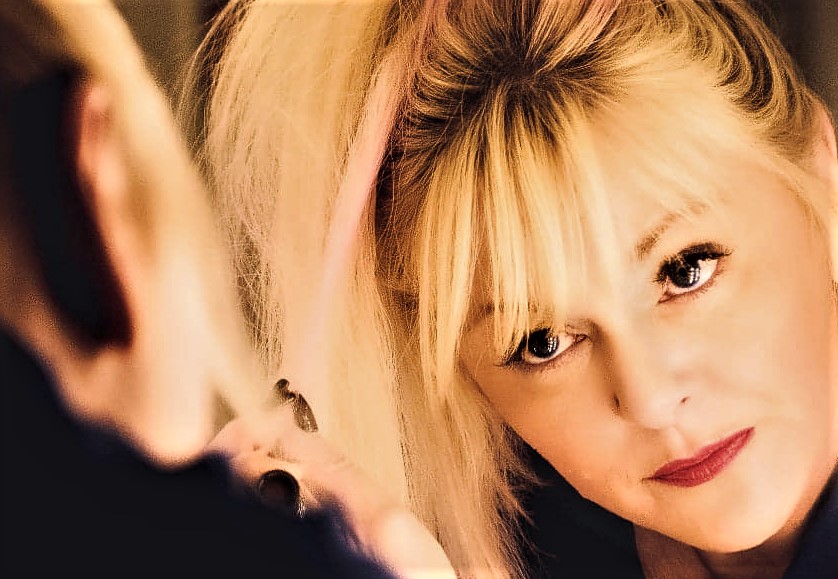
Alison with Cameron Frazer in ‘Life of Riley’ at Northern Stage 2020.

LIFE OF RILEY

The first play I wrote was The Birthday Party which only played a few small fringe theatres in London. Next year is a national tour of Life of Riley and it’s the third play I’ve wrote. Predominantly, it’s about autism, but it’s a mainstream play and accessible to everyone.

It’s family drama entertainment and educational. The feedback and revues from people who’ve been entertained by it are now more aware of autism.

When I wrote it, it was a cathartic process because my youngest son is autistic. Jay is 20 and high functioning autistic so a lot of themes in there is our lives when he was younger and when he was diagnosed. The title is tongue in cheek because this family have anything but the life of riley.

It’s about a man who is looking back over his life and experiences as an autistic child, and how the dynamics of the family changed with his diagnosis. It’s funny and can be moving in parts, I also add the shock factor, which I like writing – like the Granny who thinks he just needs a smacked backside.

There is the scenes with the mam and dad’s relationship breakdown because of it, and she nearly goes off with someone else.

There is also a scene where he is a teenager and he is beaten up and says to his mother ‘Mam what’s a spacka ?’ You can feel the audience drawing in breath, it’s the shock factor of a rarely used word now. The audience are torn hearing the term, but unfortunately it still happens.

SELL OUT

The play has had some good reviews and in 2019 we took it to Edinburgh Fringe where it sold out. I was surprised to get a standing ovation where the audiences can be quite hit or miss about it because the number of plays that they see during the week.

We played shows on a Northern tour of the Exchange in North Shields, Blyth, Stockton and just before lockdown last year at Newcastle’s Northern Stage 500 seater who sold it out and we got a standing ovation.

Through the Riley play we offer a Theatre in Education where we deliver an autism awareness and acceptance play in primary schools.  That has opened up to more people asking when is the main play being staged again, we will be working on that this Autumn towards putting on a full national tour next year.

NORTHERN FILM

A spin off from the play is we made a short film clip of it with Chrissy Rock (Benidorm, Ladybird Ladybird) and Charlie Price (The Great). Now with BFI funding we are looking to make a feature film with Try Hard Films and Opus Films – all very exciting.

The play and film are very northern, it will be a look of The Full Monty crossed with Shameless, that type of real gritty humour.

They have taken my stage script and Debbie Owen who writes for BBC programme Casualty has rewritten it into a screen play. I’ll be a sort of consultant when they are making the film, I will be there somewhere, because I’m not just a writer, theatre maker, I’m also a jobbing actress.

DANCE IN THE DARK

For the future I’m hoping we can have a creative hub with a 60-100 seat black box theatre – just a bare stage with black curtains, no red velvets or plush surroundings. We could hire it out to other companies to help sustain it and encourage new writing, experimental stuff.

Plus we can have a small cinema screening room, rehearsal and meeting space with a café or bar, it would create jobs and work experience – that’s not too much to ask.

We just need someone to come and say you can have this building because I know you will make a cracking job of it. If I want to try something new I just go for it, I’ve never been frightened of failure I’m just frightened of regret. I don’t want to get to a point in life where I say if I had done that or tried that.

Alison’s latest play ‘Sex is Hard Work’ plays six nights at Newcastle’s Cluny from 28 June 2021.

Advance tickets £10. Doors open 6pm.

The Cluny, 36 Lime St, Ouseburn, Newcastle, NE1 2PQ.  (0191 230 44 74)

Interview by Gary Alikivi  May 2021.                    

DREAM CATCHER – in conversation with writer & performer Alison Stanley from Newcastle based theatre company, Life of Riley.

I’ve always loved singing, acting, performing – just something I’ve always done. I’ve been doing this since I was 4.

Nobody in my family sings or entertains, so you know bit of a freak really, the family think I’m a total exhibitionist – I just liked showing off (laughs).

GYPSY SPIRIT

If I go further back my ancestry is German and Romany and in our family my Great Grandfather was the last of the travelling gypsies, he settled into a house and family when he met my Great Grandmother.

A family name was the German, Fischer, they weren’t popular due to the war so the name spelling was changed by dropping the ‘c’. Maybe there was a German Gypsy treading the boards (laughs).

The whole process of theatre making for me is exciting, I don’t want to lie, it is challenging at times and some days I think is this the day I’m gonna throw the towel in. I’ve definitely got a bit of a strong spirit in me to keep going because hearing the word ‘no’ is not what I want to hear. If there is an obstacle in the way I’ll find a way round it.

NEVER LOST FOR WORDS

When an idea comes it niggles in the back of my head, then I sleep on it, it works its way to the front of my brain so in the morning it reveals itself and I think about how to develop the idea.

Some writers say it’s a lonely time but when I’m writing I’m with all of the characters, I’ve worked out who they are and then they talk to me. Fictional characters just exist in my head where they are acting out their daily lives.

The whole rehearsal period can be frustrating but it’s good to hear your words brought to life. In rehearsals it’s mainly all there on script but sometimes I come in with a killer line. I add in a line if I’ve heard someone say it during the day or how some words sound – I’ll remember that and use it.

On the first night in front of an audience it’s good feeling to see the initial idea from conception being brought to fruition.

BACK ON BOARD

I’m really keen on theatre being accessible to everybody so we can put a show on anywhere. Northern Stage have been supportive of my writing so I’ve had nights there, the Phoenix, The Arc in Stockton, Queens Hall in Hexham, I like mainstream theatres but I also like to take it to intimate audiences.

I’ve had three of my plays in Edinburgh, but beforehand I like to try them out to smaller audiences before they are unleashed on the scathing critics of Edinburgh Fringe. Getting any support is good because its hard getting your shows in any theatre because of the Covid backlog, so The Newcastle Cluny are preparing to show Sex is Hard Work from 28th June.

SEX IS HARD WORK

The show is based on a prostitute from South Shields who started work on the sex phone lines then ended up as an escort. When I first started rehearsing and writing the play I though I was a woman of the world, now I know I’m next to Mother Theresa (laughs).

The play isn’t just titillation or a biography of her life it’s mainstream entertainment. I’ve took the character and added more depth. There is the part of life as a sex worker paired with being a carer for her father who’s had a stroke.

You know a lot of women are in the sex industry because of varying circumstances like debt, drugs and being coerced into it, or like the woman I spoke to just not fancying a 9 to 5 job and wanting to make lots of money. It may not be everybody’s career choice – but that’s hers.

I like to challenge the audiences pre-conceived notions about a subject, and after the play they have taken a battering.

Sex is Hard Work plays six nights in The Cluny, Newcastle with the last night being a Thank You to NHS with some of their staff coming. We’ll see how the show is received then hopefully next year tour it and take it to Edinburgh Fringe.

‘Sex is Hard Work’ plays six nights from 28 June 2021. Advance tickets £10. Doors open 6pm.

The Cluny, 36 Lime St, Ouseburn, Newcastle, NE1 2PQ.  (0191 230 44 74)

Interview by Gary Alikivi  May 2021.