Sometimes a piece of music drops and fits neatly onto your latest playlist.
In the past week I’ve been listening to Jackson Browne and Buffalo Springfield after watching a documentary about the musicians who lived in Laurel Canyon on the American west coast during ‘60s/’70s.
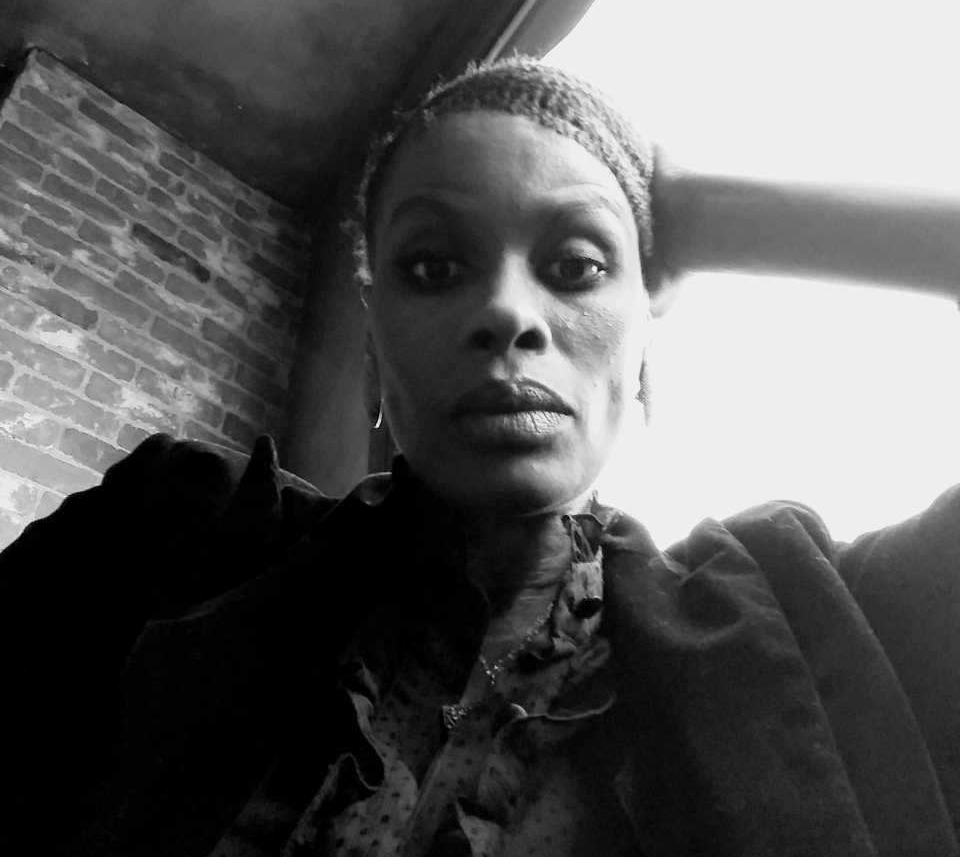
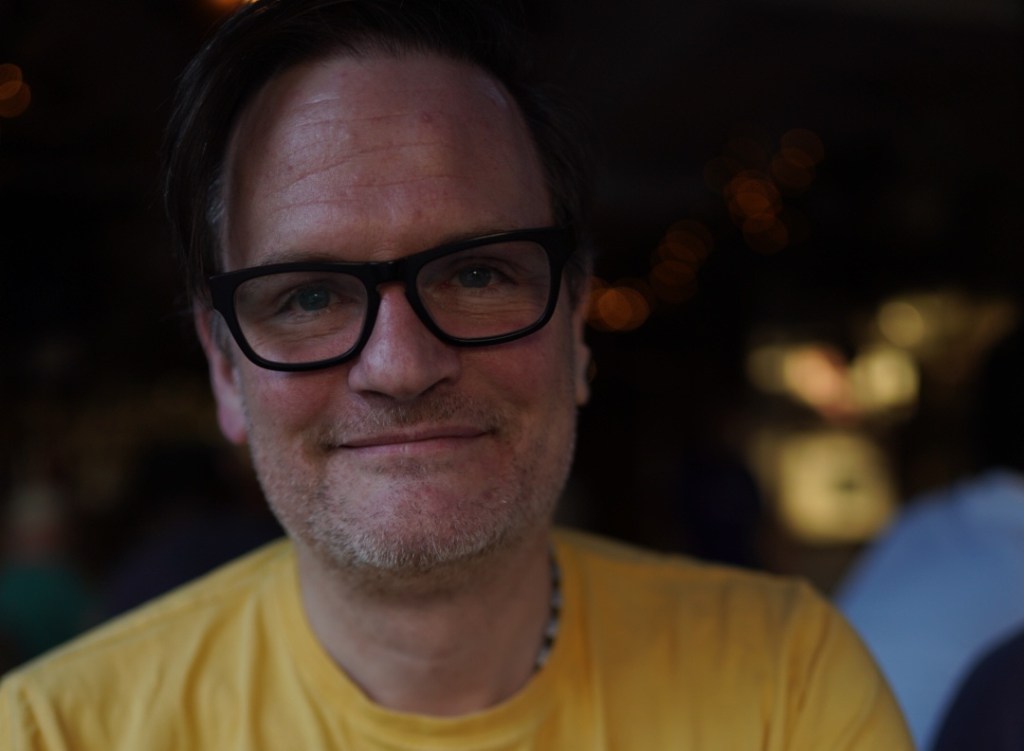
Recently, Los Angeles based musician Jon Dalton sent a link to his latest track ‘Out of the River’ featuring vocals by Sheila Ellis.
Dalton first appeared on the blog in October 2017 talking about his journey from Bristol playing in rock band Gold, then moving to California as a professional musician signing to Innervision Records.
I got in touch with Jon and asked him how did the song come about ?
I was sitting around late one night doodling on my guitar – something I do a lot – and it occurred to me, with all that’s been going on this year, now might be a good time to write about how that’s affected my view of the world.
What were you looking to say in the lyrics?
I hadn’t written a song with lyrics for decades – I mostly write jazz instrumentals – but this one seemed almost to write itself.
Some might see that as the land speaking through them or perhaps it’s a collection of memories and experiences that one day well up and form a cogent whole.
America has certainly seen its share of turmoil recently coupled with much division and fear but that isn’t my America. I have roots in this country going back a long way. Long before the US was even a country the land was here.
Even though I grew up in the UK and didn’t set foot in America until I was in my mid 30’s, I felt a connection to the land the instant I arrived and that’s never gone away.
For me, it was always a foregone conclusion that I would eventually ‘return’. I sense that connection everywhere I go from oceans to deserts to the mountains and rivers, it’s always there and I’m always home.
I’m sure others have similar feelings about their countries of origin. This is a song that tries to explore and explain that connection.
How did you end up working with Sheila ?
I met Sheila Ellis several years back while we were both working in a volunteer jazz band playing for seniors in L.A. County. We hit it off instantly. Sheila seems to just get what I’m trying to say musically which is a tall order since I often don’t get it myself.
Sheila is a brilliant vocalist, she has a deep knowledge of jazz and other genres. Originally from L.A. she also lived and worked in Paris plus New York and London – her husband and our shared producer Richard E is originally from the UK.
She’s also an actress and performance artist who has appeared in places like the prestigious Getty Centre here in Los Angeles.
Richard and Sheila are the core group members of Annabel (lee) who have recorded albums on the UK Ninja Tune label – which won the 2015 Dead Albatross Music Prize – and more recently here in the US on the Youngbloods label.
Who else worked on the song ?
The final piece of the puzzle was my friend UK organist John-Paul Gard. I knew with his extensive knowledge of the instrument, he’d be able to convey the exact sentiment I was trying to express, and he nailed it from 5000 miles away.
With the USA Presidential election only hours away what are your feelings about the future?
Whatever is happening right now and whatever is around the corner, in this song I wanted to express the sense of strength and permanence I get from being surrounded by nature, though we could arguably take better care of it.
We may create what seem like big problems for ourselves but, for the land, it just sits and watches and waits.
Mysteries of the world are fascinating subjects and we rely on scientists, archaeologists, researchers and storytellers to bring them out of the dark.
The blog in October 2019 featured a couple of stories by author and broadcaster Dan Green. He recently got in touch and wanted to share another story.
Dan was a resident of South Shields for 40 years and at the time of this event he was living in the town.
‘During many years of research, I have heard dozens of amazing anecdotal stories concerning ghosts and whatever they might be or represent.
It has left me having little doubt whatsoever that there is a phenomena behind it all, generally unknown and let alone accepted.
However, as good and convincing as other people’s stories may be it is far more rewarding if you can call on evidence from your own personal experience’.
You can’t usually force a ghost to appear or meet with one, but this seems to have happened to me during the late 1990’s when my wife and I travelled down from the North East having resigned ourselves to looking after grandchildren, thus allowing their mum to go out at the time of the Christmas festivities.
Little did we know that this innocent occupation would be taking place in a most ridiculous location – a haunted derelict asylum on a Christmas Eve.
Something you could only expect – for those of you old enough to remember their movies – from Bob Hope and Bing Crosby.
St Johns asylum, Lincoln, UK.
The derelict St John’s asylum in Lincoln was built in 1852. Originally built to house 250 patients it went on to accommodate thousands from all over Lincolnshire, finally closing its doors in December 1989.
At the time of our visit its caretakers were my wife’s daughter and her boyfriend.
The property was Grade II listed meaning it couldn’t be demolished and had just been bought by ‘Bungalow’ Bill Wiggins then the boyfriend of glamourous Hollywood starlet Joan Collins, who was to convert the main building into flats.
At the time, building had only just started and so we were offered a luxurious penthouse room for our stay, in the midst of all the empty, decaying, wall peeling eerie corridors.
It was quite simply surreal having to leave the warmth and safety of the suite to have to go along dimly lit dank and neglected corridors to the nearest toilet situated in the old asylum quarters. You swore you could hear whispering voices at the dead of night.
Interior of St John’s asylum, Lincoln.
On our first night, two days before Christmas Eve, Lincoln was snowed in. My wife and I retired around 11am after a hectic day’s babysit and nestled down into the extra comfy bed, switching the light off and expecting a quick descent into slumber.
After maybe no more than ten minutes and whilst still fully awake we nearly jumped out of our skins when the silence in the dark room was broken by an enormous crash at the foot of the bed. It sounded as if something very large had fallen.
After our initial shock we put on the light to see what it could be, already knowing that it couldn’t have been anything as there was nothing there and not even anything else in the room that could have provided such an alarming crash.
My wife was insistent for an explanation and I gave then what was perhaps the most lame and most unbelievable excuse ever – it was the flag on the balcony outside blowing in the wind. It was all I could think of. Both of us knew it wasn’t or anything remotely like it.
The following incident happened about 7pm on Christmas Eve. The snow was all around, like a white blanket. I stood outside marvelling at the sound of silence. The thousands of falling flakes amidst darkness all around in the vastness of the grounds.
It was then that I heard the lone sound of a bugle being sounded. ‘It must be an early reveller’ I thought, although a bugle wasn’t the sort of instrument I would associate with an early Christmas celebration.
I was keen to locate exactly where the sound was coming from, expecting that to be easy amidst the otherwise total silence, absence of any other person or activity, and the totality of the space around me. But I could not place it.
I moved myself around some distance but still could not pin-point the sounding bugle. I listened until I could hear it no more. It was very clear and distinct but not a musical masterpiece. Strange!
On Christmas day my stepson came to join us and we offered him another swish suite not far from our own. We decided best not to tell him about the bedroom crash or highlight anything else about the building that might possibly spook his nervy temperament.
It wouldn’t have mattered. In the morning he told us how no sooner trying to sleep he saw what he described as a ’floating black bin bag’ in the room!
I was glad when we could all leave the premises before anything else might present itself. A week or two later I was recounting my incident with the phantom bugle player to my mother-in-law.
It was then she informed me that long ago one of the asylum inmates had escaped on Christmas Eve, a fellow who was renowned for wandering the grounds playing a bugle.
However, his escape was a tragedy – he had no sooner sneaked out of the premises playing his instrument when he was hit by a bus and killed outright. I hadn’t known anything about this.
Had I encountered his ghost on the calendar night he had lost his life? If so, then this must rate as a first class ghostly encounter. I’ve since spoken to others about our nights at the old asylum and wasn’t surprised the things I learnt from them.
My stepdaughter confirmed that both she and her boyfriend had seen things – ‘a human sized figure made up out of speckles, like what you get when a faulty TV aerial disrupts the screen’.
She had decided not to tell us anything about her experiences in case it put us off coming to stay. The asylum certainly had a ghostly reputation.
A care worker I met years later who had worked at St John’s confirmed how staff had to contend with lights suddenly switching themselves on and off and the sound of footsteps being heard above them in empty rooms.
The grisliest tale he told me was when a room had been found after a wall had been broken into, and there around a table sat upright skeletons, the table having rotted food as if a feast had once been prepared.
With no windows or doors in the room they had all been entombed in there.
We were also told by my stepdaughter that the previous caretakers, a husband and wife, had left the building at the dead of night – in their pyjamas! They never returned, leaving costly personal belongings.
So, the old asylum at St John’s – haunted? Hard to think otherwise, although I’m sure psychologists would offer a bland explanation for it all, rather like my flag blowing in the wind.
The Sisters of Mercy, 1984. Gary Marx (guitar) Craig Adams (bass) Andrew Eldritch (vocals) Wayne Hussey
Watching live music in the early ‘80s was a heavy mix of rock bands delivering the goods – Sabbath, Priest, AC/DC and Motorhead. Then with a little swagger came Hanoi Rocks, The Cult and Psychedelic Furs.
Regular venues were in Sunderland and Newcastle – the Mecca, City Hall and Mayfair, then Tiffanys for darker nights that served up a poisoned brew from cult bands The March Violets and The Sisters of Mercy.
A side note is their gig at the Newcastle venue on 13th March 1985 was bootlegged – Disguised in Black – and regarded highly among Sisters fans for its quality.
Recently some Sisters tracks have been synced on TV shows Game of Thrones and American Horror Story but I first came across the band around ’84 on the John Peel radio show when they recorded a session for the BBC.
Hearing a baritone voice and drum machine was unusual for a rock band, and they did have an extra edge of driving bass carrying the sound onwards and upwards. Check out ‘Floorshow’, ‘Body Electric’ or the spellbinding ‘Marian’.
The Sisters mk 1 peaked with an appearance on the Old Grey Whistle Test in March 1985 and then in June a final burn out at The Royal Albert Hall, London.
Reports coming out of fan websites mention that at the end of the set, backstage Motorhead’s Lemmy offered ‘refreshment’ to frontman Andrew Eldritch.
Sisters played a blistering final encore of ‘Ghostrider’ and ‘Louie, Louie’. The gig was a triumph, and a God-like status was assured for Eldritch.
If ever there was a book needing to be written about a band it is this one. In a new interview, American author Trevor Ristow reveals how long the book was in the works and how ‘Waiting for Another War’- a line taken from the track ‘Valentine’ which featured on The Reptile House EP – was not the first title…..
This book has had three titles. The working title for over a decade was ‘Mission and Revenge.’ Obviously, that’s borrowed from the unreleased second Sisters album, but I also thought it nicely expressed something about the band, specifically about Eldritch stewardship of it over 30 plus years.
But originally the book was going to have a longer sweep: 1980 to the present. When I cut it down to 1980-1985 I didn’t think ‘Mission And Revenge’ was appropriate, so I renamed it ‘Heaven And A Hope Eternal.’
I even went so far as to design the cover with this title, but I changed it at the last minute.
The main problem was that I found the title a bit soft for a book about a band that articulated an unapologetically masculine aesthetic during the period in question.
Also, the implications of the title were a little obvious: an old fan savouring the golden years and hoping for a new album.
‘Waiting For Another War’ recommended itself to me because it implies a more subtle version of the same sentiment: we all want another album, and wars are one of the few things that seem to motivate Eldritch to write new material. So here we are, waiting for another war.(a lyric from Valentine).
‘Valentine’ was definitely one of my first favourite Sisters tracks, and it is still one of my favourites, so that helped.
Author, Trevor Ristow.
In these difficult times how did the book come together ?
I am originally from San Francisco and have lived in New York since 1989. I wrote the book in two separate apartments in New York.
The first one was in Tribeca, a tiny little studio on the 49th floor overlooking the World Trade Center. Then, years later, I finished the book from a different home on East 7th Street in the East Village.
At the very end of 2019, with the book finished but not printed, I moved with my family to a new apartment because we were expecting our second son in April.
Three months later the pandemic struck New York City like a tornado. Unrefrigerated dead bodies were piling up outside NYC hospitals, including the one where we were scheduled to give birth.
Husbands were not allowed into delivery rooms. There was a PPE shortage, and everyone was panicking. Crime was spiking and summer was around the corner.
I packed up my very pregnant wife and two year old son and we left our home to stay outside the city. Although I sent the final files to the printer from New York City in February, I ended up receiving the shipment of books, signing them, and sending them from a family home in the countryside.
What inspired you to write the book ?
I was inspired to write the book because I love the band. Of course, an interest like this waxes and wanes.
I loved the 1991 US gigs but for some reason I didn’t really care enough to go to Philadelphia in 1997, a one-hour train ride from New York City. I was in graduate school and I guess I had other things going on.
The next year I saw them at The Ritz again in New York City and the fever returned. Since then I’ve flown overseas for gigs, like many other fans.
Sisters music has been a constant companion of mine since I was very young and the book is an expression of my passion for the music.
Waiting for Another War. pic. Ulf Burglund.
Do any stories stand out – what is your favourite ?
I guess my favourite story that I unearthed myself is the story about the band going to a party for Joe Jackson in San Francisco. I know the guy who took them, the club they came from, I know the corner the party was on very well, I know the street, the neighbourhood.
I can picture the van ride there, the people, everything, because San Francisco is my hometown. So, apart from the fact that the story is funny, it’s very vivid to me.
Are you planning another book and where is ‘Waiting for Another War’ available ?
I may reach out to some record stores in the UK and see if they would like to stock it, because the shipping charges from the USA are prohibitive for some people who might otherwise be interested. But that’s just an idea at this point.
To get an insight into The Sisters of Mercy and the Leeds music scene of the ‘80s go to the excellent blog ‘I Was a Teenage Sisters of Mercy Fan’.
On the same dial as Roxy Music and Prefab Sprout, are Sunderland bands The Futureheads and Field Music who formed during the noughties…
The music community at that time was pretty tight. I’m sure there was rivalry, but it was also really supportive. We probably shuddered at the idea of it being a “scene” – but that’s what it was.
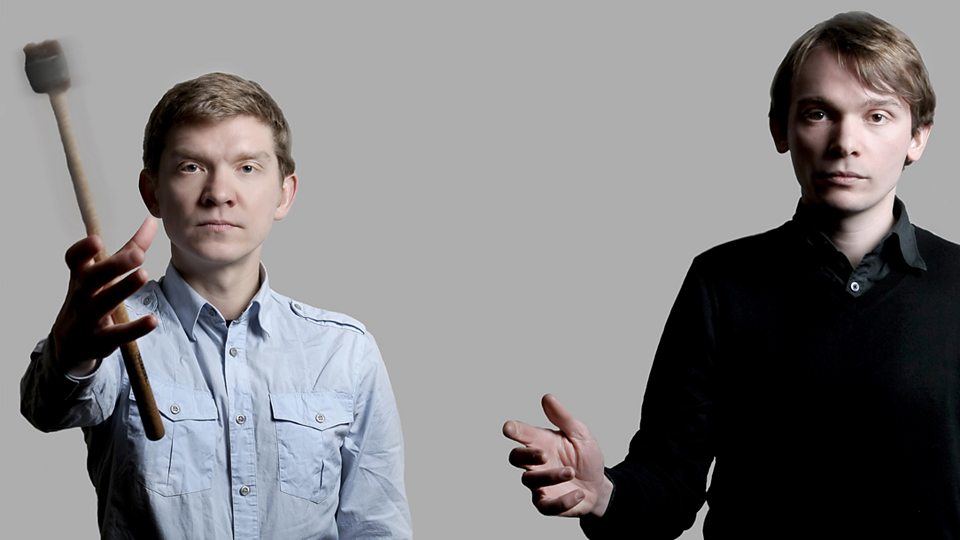
The spine of Field Music are brothers Peter and David Brewis….
We’d been teaching at a youth music project in Sunderland where we met Barry Hyde who later joined The Futureheads, and a bunch of other young musicians including Ian Black, who’d later join Field Music and release some records as Slug.
We asked Barry to join our band, which was just what we needed really. We could share our experience with regard to getting out there and playing and arranging for a band and he opened our eyes to a lot of music we didn’t know about – Captain Beefheart and The Velvet Underground and the free-er style of jagged edge in jazz.
That was an inspiring time, we had a lot of ideas and started a lot of bands which never played a gig. It took us a while to stop flailing around and make sense of what we wanted to do.
For Barry that was The Futureheads, and for us that eventually became the first Field Music album.
What was your first experience of a recording studio ?
We recorded with Frankie Stubbs at the Bunker in Sunderland a couple of times when we were first starting out – in ‘94 and ‘95 I think. And then we did a gig at South Hylton Working Mens Club to pay for a couple of days in Frankie Gibbon’s studio in Lambton Lion Park.
But really, we felt best recording ourselves. We had a cassette four-track at home and were always working on songs and we fancied ourselves as producers as well as players.
In 1997 we applied for the first round of Lottery Arts funding and they gave us £4000 to set up and run a community studio for six months. We couldn’t afford the rent after that, so we moved it back to our parent’s spare room.
Our first proper release was an EP under the name The New Tellers, was recorded there, along with the first Futureheads demos.
In 2001 we clubbed together with The Futureheads and a couple of friends to have our own studio and practice room in a community centre and since then, we’ve always had our own studio space.
We stayed in that first space for over ten years and recorded three Field Music albums, my first solo album as School of Language, Peter’s album under the name The Week That Was, most of the first Cornshed Sisters album, one of the early Maximo Park EPs, a chunk of The Futureheads’ fourth album and their first EP.
How did you get interested in music, are you from a musical family ?
We, that’s me and my older brother Peter, don’t come from a particularly musical background but our parents were of that generation who grew up in perfect alignment with British rock music.
They were nine or ten when the Beatles came along, 16 year old and trying out rebellion when Let It Bleed (Rolling Stones) came out.
And then in the ‘80s, when they were dealing with us, the few records they bought were either sophisticated adult rock like Peter Gabriel, Kate Bush and Hall and Oates, or sophisticated adult pop like the Pet Shop Boys.
What instruments did you pick up?
Peter was itching to play the drums after watching The Bangles on Top of the Pops. That was probably 1989. I wanted in on the action so I saved up for a twenty quid acoustic guitar from Argos.
Actually, I’d been saving my pocket money ready for a holiday in Yugoslavia, but their currency was devalued while we were there, so I ended up bringing my meagre savings back and bought the guitar.
We didn’t know what we were doing but we liked the idea of playing music and then found a Led Zeppelin track on one of our parents’ compilation albums I think it was called – ‘By Invitation Only’.
They also had Free Live – we became totally obsessed. Peter learned to play my guitar much more quickly than I did so I switched to bass after a couple of years.
Who were you listening to and who did you watch live ?
We had a brief period of going to gigs at Newcastle City Hall while we were learning to play. The first one was probably Jethro Tull, who had Dave Mattacks playing drums with them on that tour, which is odd because we’ve gotten to know Dave a bit in recent years.
We went to a couple of technical guitar-type gigs – Joe Satriani, Steve Vai – while we were learning to play but that style of music didn’t bed in with us. We bought a Black Crowes CD in about 1993 and that did make sense to us.
We travelled to Sheffield to see them play in 1995 but by then we were already gigging around the local pub circuit.
Where did you first rehearse as a band ?
We rehearsed in the spare room in our parents’ house in Cleadon Village. Our neighbours were very tolerant!
For a long time our bands revolved around me singing and playing bass or guitar, Peter playing guitar live but drumming on a lot of our demos and Andrew Moore, who was our friend from school and an incredible piano and organ player.
Our first drummer was called Paul Taylor. I’m not sure we ever saw eye to eye musically but he was a good drummer and amazing to watch.
A young metaller called David Dorward joined on bass one time, and when we went to college the pool of musicians we knew grew a lot and we played with a couple of really good local drummers – Jaimie Curle and Garry McKenna – though I think we always had a sense that we wanted to be in charge of the drums.
What was your early experiences of playing live ?
We must have played at school a couple of times but the first thing that really felt like a gig was a battle of the bands at Manor Quay called Wearstock in 1994. I think the band was called Underfoot back then.
From 1994 until 1998 we played tons of gigs on the pub circuit, doing mostly covers but gradually trying to add in our own songs. Our favourite venues were places like The Duke of Cumberland in Felling, The Turk’s Head in South Shields, Sleepers in East Boldon and The Keelboat in Fatfield.
There were tons. It was a very wholesome way for a 14/15 year old to spend their free time!
Once we retired the pub-rock band, we were playing at places like The Royalty, Pure, Ashbrooke Cricket Club and Bar 36 in Sunderland and occasionally we’d venture to The Head of Steam in Newcastle.
When did you become a professional musician and how has it worked out for you, is it what you imagined as a teenager ?
We signed a publishing deal a couple of months after I finished university in 2001 and since then I’ve mostly just been a musician. The period from 2001 until we released the first Field Music album was tricky. We didn’t really know what we were doing.
We had very supportive manager and a very supportive publisher but we didn’t understand the extent to which being independently-minded means doing things yourself.
We probably didn’t realise that in order to get a record made our way, we would have to record it and mix it ourselves.
We didn’t realise that in trying to make odd music on stage, we’d have to think very hard about how to make that work for an audience in venues which are primarily geared towards bands whose music is not odd!
Whatever dreams I had about being a musician when I was young have been stripped down to the barest elements and go along with essentially running a small business.
So, yes, I get to make the music I want to make and I spend all this heady time writing songs and being creative in the studio and working out how to play these songs on stage with my friends, but I also have to book hotels and do VAT returns and do amateurish joinery in our studio. It’s harder work than I imagined but also probably better.
What does music mean to you and what has it given you ?
I love writing songs and I love recording. If I ever have a period when I’m not doing those things I get gloomy and anxious. It’s not that it’s the only way I can express myself – I’m a wordy kind of person!
And it’s not that it’s the only thing I’m good at – I could probably have stayed in academia in some maths-related sphere.
But music is the thing which gets my synapses crackling. And in songwriting I can dive into pretty much any topic or follow any curious thought.
The last Field Music record grew out of a commission for the Imperial War Museum as part of a season about the aftermath of the First World War. We ended up researching and writing songs about planning law and sanitary towels and reparations and Tiananmen Square.
Our brains were in overdrive pulling these things together and turning it into a performance and then a record. It’s such a privilege that we get to do these things. But also I feel really proud that we can take on a challenge like that and make it work.
An earlier interview with Steve talking about his time in North East band East Side Torpedoes features on the blog in March 2019.
The Torpedoes were signed to EMI, regularly toured the UK and played the Knebworth Jazz Festival in 1982 supporting Ray Charles. After suffering bad luck in the recording studio, the band called it a day in 1986.
Steve took up a successful career in academia while playing in local bands like The Questionnaires who supported Paul Young at the North Shields Fish Quay Festival in 2003.
In the interview Steve talked about ‘not being suited to life on the road and enjoying more the writing and recording side of music’.
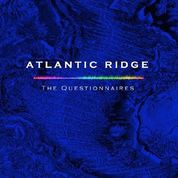
This brings his story up to date, as The Questionnaires have been busy in the studio with new album ‘Atlantic Ridge’.
In early 2019 guitarist and Dobro player Jim Hornsby and drummer Steve Dolder, who I’ve known for a long time, heard an earlier version of one of the songs, Hide and Seek and persuaded me to make the album.
Initial sketches of the songs were made by Jane Wade and I in my home studio, just vocal and acoustic guitar. Some of our other musicians also own home studios or small semi-commercial studios.
Over time we evolved a performing and file-sharing process that worked, recording various instruments, bouncing rough mixes back and forward and re-doing them until everyone felt it was right.
We said we wouldn’t be happy until it sounded like a band who had played together for a long time. It wasn’t easy.
By the time we were happy with the basic tracks, in effect we had played together for a long time. Atlantic Ridge was made between June 2019 and August 2020.
Steve Hall, The Questionnaires.
Who plays on the album?
Our first album Arctic Circles, released in 2002, was a touch on the esoteric side, but we wanted Atlantic Ridge to be more down-to-earth, with a country/folk flavour to most of the songs. We chose the musicians very carefully.
They all had to be good enough to handle one or two tricky arrangements but at the same time sensitive enough to interpret the songs and come up with the parts that sounded right and conveyed the mood for each song.
To be quite honest we think we found the perfect combination. Jim Hornsby (Prelude, American Echoes, Martin Stephenson) on Dobro and guitar is a legendary country/Americana player, and as well as a great player, a great listener – every part he contributed in some way complemented the melody and harmony.
Steve Dolder (Eastside Torpedoes, Prefab Sprout,Glenn Tilbrook, Sid Griffin) on drums and Stephen P. Cunningham (Lindisfarne, The Proud Ones) on bass are as solid a rhythm section as you’ll get anywhere.
Anyone who cares to listen to the album will soon find out why Connecticut-born adopted Geordie Niles Krieger (Assembly Lane, The Often Herd) is regarded as one of the very best folk/bluegrass fiddle players in the country.
That was the core of The Questionnaires’ recording band, and we drafted in some special guests to put the icing on the cake – Roy Pearson on percussion, Liam Fender on organ, Les Watts on piano and Bevan Morris on bowed bass all show why they are constantly in demand for live and recording work on the North-East music scene.
One fellow-musician and songwriter commented ‘This is the North East’s Wrecking Crew’.
They made the production of this album a real pleasure, and where Jane and I pushed them to their limits they pushed us beyond ours.
What themes do you explore through the lyrics ?
The themes that Jane’s lyrics follow vary from thumbnail portraits of interesting characters you meet in pubs and on the streets in provincial cities like Newcastle, to broader themes like the state of the world in these strange times and how it is affecting people.
General facets of modern life like addictive internet shopping and in the sadder moments, broken hearts and lost love. Some of it is quite serious, some of it is a bit tongue-in-cheek.
Lyrical influences vary from jazz, ‘60s pop, folk and music hall songs. I think the standout track is Heavy Heart.
How did you find recording the album in these uncertain times for the music industry?
I knew that recording and promoting independent music is an uphill struggle if ever there was one. The corporate music industry has so many of the promotional platforms sewn up.
They produce some great music and a lot of nicely produced crap, but they succeed because it’s their great music or their crap you hear on the radio or see on the TV every day.
The quality of independent music varies too, but it’s far harder to get airplay, so you don’t come across our great music or our crap on the airwaves every day.
Some broadcasters who support local independent musicians – such as Chris Donald, Gary Hogg, Paul Kirsopp and a handful of others – are the salt of the earth, but we knew it would be a hard road, especially in a band whose ages vary from 29 to 73.
So, we began with the intention of just knocking the songs into shape because we love doing it and always have done, and keeping the recordings for friends, family and posterity.
But we’re all pros or ex-pros, and as we got going we began to think, well, you know, this is sounding OK, so why don’t we put a bit more effort into it and try a release?
As I said, our method of working was tricky. Working in home or semi-commercial studios owned by some of our musicians, initial song sketches on vocal/acoustic guitar sent to the rhythm section, guide drums and bass put on, everything redone again, add guide guitar and fiddle, percussion, organ, backing vocals, rough mixes bouncing back and forth, nobody happy, do it all again and on and on.
Of course Covid knocked us onto the back foot for months. But we persevered – we worked out that if a record label had been paying for the time we all put into Atlantic Ridge it would have cost over a million quid.
As it all came together, we began to enjoy it more and more.
By the time we finished we all agreed that this was easily good enough for a commercial release. We ran it past some pretty hard-headed music industry people we know and they said it was one of the best albums they heard in years.
The album is available as a limited edition CD or digital download. It’s also available on Spotify, I-Tunes and all the other digital platforms. This is a special release for our friends and social media followers.
After a promo campaign Atlantic Ridge will be released nationally on January 15th, when, hopefully, if we get past the gatekeepers, you’ll be able to read about us in the press and hear us on national radio stations.
‘Research has found that women make up a very small percentage of artists, songwriters and producers. I want to address this imbalance.
This project is designed to support more women into the music industry by providing them with the opportunity to develop music production skills’
saidLisa Murphy, Studio Manager for Blast Recording Studios and Production Room in Newcastle.
A six month project for aspiring female music producers to further their career in the music industry is starting in November.
The application closing date for this exciting new opportunity in Newcastle is Sunday 25th October, so get in touch now.
Lisa added ‘Working as a female music producer in professional recording studios in the North East, I want to share my skills, experience and contacts to open the door to more women working as music producers.
The course will include working on projects in professional recording studios, masterclasses from professional music producers and individual time in the studio to complete your projects’.
What do you hope the course will achieve ?
‘The aim is to enable four emerging female music producers to develop skills, knowledge and contacts in order to further their career.
This will be achieved through weekly sessions with myself and other relevant guest speakers, hands on learning in a studio environment, and individual time for each participant in the studio on a weekly basis for them to practice their skills and produce work for their portfolio.
Also built into this programme will be a number of projects developed by myself to give the participants access to other studios, recording session musicians and selected bands in a larger setting with different equipment’.
What is the aim of the project ?
‘The overall aim is to enable the participants to gain their first important steps into a career in music production, an industry that is heavily influenced by a producer’s portfolio of prior work and contacts.
The use of teachers and music producers such as myself and other selected professionals – local songwriters, sound engineers and musicians – female, whenever possible, will support this aim, demonstrating that there is a place for women in the music industry – specifically in technical roles in which they are currently under-represented’.
Check the website for full details and how to apply:
New single Metal City with a glorious big chorus is quickly followed by a ballsy, catchy Battlescarred, with a cry of ‘Raise your hands, to the sky, stand and fall, You and I’.
Added to a Gallagher trademark scream the song builds and reaches out for better times. Surely a future live favourite?
Slick, tricky guitar from Mark Gallagher with balanced precision drumming by Mike Heller rattle and crunch tracks and pound them into submission.
It’s all tightly packed like a mighty coiled spring. There’s even a Motorhead/Lemmy tribute – nice touch lads!
The wide and expansive closer, When Worlds Collide with ‘You meet your maker on the other side’ has turned a potential plod into a triumph. The trio look back over Metal City and watch the sunset. And the credits roll.
On this evidence Raven consolidate their title of Chief Headbangers.
On Tyneside during the ‘70s and ‘80s rock music was heard from Sunderland to South Shields, bounced over the river Tyne to Whitley Bay and Wallsend – the vibrations were felt in Newcastle. A North East New Wave of British Heavy Metal was coming in.
Riding the wave were Fist, Hellanbach, Mythra, Tygers of Pan Tang and Venom pushing metal to its limits and discovering a new energy. Another of those bands was Raven.
Now based Stateside, but originally formed in Newcastle in 1974, early gigs saw the trio cutting their teeth on North East live circuit of working mens clubs.
Headline gigs at Newcastle Mayfair and Dingwalls gained the band a solid live reputation. The gates were opened, and the band went onto UK support slots with Iron Maiden, Ozzy and Whitesnake.
By the early ‘80s two albums ‘Rock Until You Drop’ and ‘Wiped Out’ were recorded in Wallsend’s Impulse Studio on the Tyneside label, Neat Records. Then a call came in from America.
Raven were at the forefront of speed metal spawning the big four beasts from the United States – Megadeth, Slayer, Anthrax and dragging Metallica out on their first, and scorching, tour across the USA.
We know where they ended up. These were life changing moments. Raven knew their future was Stateside and subsequently signed to Megaforce and then major label, Atlantic.
Fast forward 40 plus years and the band are still hitting it hard with new single ‘Metal City’ from their forthcoming album. The music video was filmed on Tyneside capturing iconic structures like the Angel of the North, Tyne Bridge and even St James’ Park home of Newcastle United.
I asked bassist and vocalist John Gallagher did filming stir up any memories when you were at the locations ?
It definitely stirred up some memories especially with one part of the shoot. We were driving to one of the locations when I mentioned “I grew up down that street there” and our video guy Paul said “Then let’s check it out!”
So, the footage with me playing the bass is in the backlane in Benwell where we played football as kids.
After ‘Top of the Mountain’ this is the second track released and both are very strong opening singles, I asked John are the band putting down a marker for what the listeners can expect from the rest of the album ?
Very much so. Top was the perfect choice as the first song as it sounds like one of our early songs dragged kicking and screaming into the 21st century!! And Metal City is not only the title track but it’s a real anthem type song.
Yep, added to trademark Gallagher scream, check out the geet big chorus!
The rest of the album runs the gamut from crazy fast songs like The Power, and a tribute to Lemmy in Motorheadin’. Added to super aggressive tracks like Human Race and Break plus a bit of an epic in When Worlds Collide.
So, there’s variety, and all heavy with ‘all killer, no filler’.
How do you look at this album compared to previous releases ?
This one is a belta! We actually think this album is the best thing we’ve ever done, for a band that’s been around the block as long as we have that’s really a case of laying down the gauntlet to many of the other bands of our era who are putting out ‘ok’ albums.
The band have just released new European tour dates, when was your last gig pre – covid ?
Our last shows were on the Monsters of Rock cruise which departs from Florida. We did the pre-party show in Miami and a show on the cruise.
Always great fun, and we actually did Chainsaw for the first time in about 30 years. We can’t wait to test drive these new songs on stage!
HYHTO first appeared on the blog in December 2017 it included some of the best stories from interviews during that year, so for this batch there’s a few to choose from.
Here’s four of them and first up is Neil Thompson (The Carpettes) from May this year…..
I loved going to The Marquee to watch bands, but I didn’t really enjoy playing there to be honest. We did six supports there and they were hard work – there was always an attitude in the air ‘Come on then, impress us’ !
We played four nights in November ‘79 with The Lurkers during their residency there. Each gig would have punks sitting on the stage with their backs to us and every now and then one would look around and stare at you – and then turn back around.
I much preferred London gigs like The Hope ‘n’ Anchor and The Nashville.
In 1980 we went to Italy three times and Holland once, we also did a short UK tour supporting The Inmates. That UK tour was probably the best two weeks of my life.
I was twenty years old, travelling around the country playing music and when we arrived at the venue all the equipment would already be set up by the roadies – heaven!
You can’t beat live experience for getting better on stage. It’s no good sitting in the bedroom playing guitar – not gonna get you anywhere.
In April this year I got in touch with Steve Thompson (Songwriter/Producer)……
We had one manager guy called Skippy who said we need to have one of those moments like The Beatles on the rooftop. So one Saturday afternoon we went down to Old Eldon Square in Newcastle broke into an office and ran a cable up to the monument in the middle and performed.
It was the first time anybody had played there and it hit the papers. It didn’t end well for Skippy, he got arrested and deported back to Australia.
Every now and then you would do a gig where there would be two bands. One night we played The Rex Hotel in Whitley Bay and there are two stages there.
Now this was a sign of our ambition cos we used to try and arrive later than the other band so we could headline the gig – we were top of the bill at The Rex (laughs).
The other bands would do it as well cos we saw them driving slowly along the back lanes. Beckett were one of the bands cos I recognised their posh Merc – we only had a van.
Most times we’d be out gigging and finish around 2am in the morning and coming back we’d go to a cafe near Central Station in Newcastle that was open all night. All the bands would go there, we discovered we didn’t need sleep.
I met up with Gary Miller (Whisky Priests) in March 2019…..
Our first gig was in October ’85 and the band were just in a fledgling state, none of us were full-time then and were holding down day jobs. We had a loyal following and one of them was called Nigel Wreford, and his dad had a dairy farm.
He used to deliver milk and one of the houses on his route belonged to a guy at Tyne Tees Television who produced The Tube, his name was Malcolm Gerrie.
We hadn’t released any records by then, but we did have some demo tapes. On his next round the farmer dropped off the milk as usual but put a tape next to the bottles with a note attached saying…Have a listen to this, think you might like it.
This was early ’86 and I was working my first job as a clerical assistant in Social Services at Durham County Hall when the phone rang and my colleague shouted over… Gary, it’s for you…
I thought it must have been someone ringing from one of the care homes when someone on the other end said…
It’s Tyne Tees Television can you come and do The Tube this Friday. This was at five-to-five on a Wednesday afternoon (laughs).
I did meet Malcolm Gerrie later and he said he was driving in his car when he remembered the tape, listened to it and thought
I must get these guys on The Tube. We loved the experience and opportunity for what was a young band then.
We were sat in the studio canteen seeing all these famous people off the telly…I recognise him he does the news (laughs).
May 2019 saw an interview with Emma Wilson (Blues Band)…….
My first experience of recording was epic! My brother and cousin were signed as 29 Palms by Miles Copeland to IRS Records in 1991. I was asked to sing backing vocal on both their albums.
I went from singing in pubs to recording in The Chapel Studio in Lincolnshire with producer Mick Glossop. Mick had worked with musicians with the calibre of Van Morrison, John Lee Hooker and The Waterboys.
Mick was brilliant I basically got a masterclass from one of the legends of record making. He’s an amazing musician who knows how to put a sound together. I was so lucky to work with him at such an early point in my career.
Vocals on the 29 Palms album required a much more intimate and harmonically complex sound than I had ever used vocally. I done six or sometimes eight layered vocal track’s all on tape not digital. I still use the techniques he taught me today.
In 2002 I toured the UK supporting Fine Young Cannibals. After the first couple of gigs, I noticed the audience were mostly made up of women who were big fans of the singer Roland Gift. They saw the support act as just more time to have to wait and see him.
So, I started to mention him in my set Oh I’ve just seen Roland getting his dinner things like that and they loved it. They’d just made a connection.
After that they listened to my set and it made the gig easier and more fun. Roland thought it was hilarious and was extremely sweet to us.
‘In the old days you used to spend all day on the phone but now it works out that I spend half the time in the office and half on the road with tours.
In the office I mainly spend the day on the computer organizing shows and fighting with agents over sensible fees – there is a lot of competition now.
I’m possibly the only promoter here that hires for Spain and we deal directly with the main agencies in Britain, USA, Sweden, Germany and some other countries’.
Robert got in touch after reading the interview with former Tygers of Pan Tang vocalist Jon Deverill (22nd January 2019). I asked Rob what can he remember of the Tygers tour……
It was very early days for me as a promoter but I can remember the Tygers perfectly. The tour was in 1985, they were a great band and very nice people.
We walked around Barcelona and I went up the hundreds of steps of the Sagrada Familia Cathedral, Jon was the only member that came up with me!
You are based in Barcelona, Spain, how long have you been there and did you work in the UK before that ?
Yeah, I’ve been in Spain since 1983, before that I worked in the UK as a corresponder for music magazines.
What was the intitial spark that created your interest in promoting gigs ?
I just love live shows and seemed good at organizing gigs, I wanted to be a promoter since I was 14-year-old. My heroes were UK promoters in the ‘70s like John Curd, Mel Bush and Harvey Goldsmith.
Looking through the impressive list of bands that you have worked with I notice there is a lot of goth rock bands – The Mission, Lords of the New Church, March Violets – plus heavy metal – all bands I saw in Newcastle during the ‘80s – can you remember dealing with any of them ?
Yes, I still work with The Mission and have done for the last 40 years. Wayne (Hussey, lead guitar & vocals) has been a friend for many years and I’m always happy to work with him.
I am in touch and still friends with many of the bands from the ‘80s. I have really fond memories of then – great times. Unfortunately some bands have disappeared or I’ve lost touch with them.
Being from South Shields in the North East I noticed you promoted the Angelic Upstarts who started from here….
Wow! Yeah, Mensi that brings back memories! I promoted a lot of punk gigs, like Chelsea, UK Subs, Exploited, Anti-Nowhere League, 999, and many, many more.
Now with over 30 year experience in the business we produce and organize all sorts of musical events and work with diverse acts from Jazz, Blues, Rock, Pop, Funk and Soul, and always internationally renowned groups.
What are you doing now regarding the corona virus problem ?
Nothing at all, my last show was The Mission in March 2020, and possibly my next show will be The Mission in 2021. It’s really awful being a promoter right now, it’s the worst profession because of what’s happened, in fact all the music business is at one big standstill.









 ALIKIVI UK : NORTH EAST MUSIC & CULTURE