If ya like ya lists these make for interesting reading. There’s been a new welcome addition to the back office stats from owners WordPress. Previously they’ve counted views from each country with the total to date 422,000.
Now they have drilled down further and added the number of views from what regions and cities where the posts are being read. These are from start date February 2017 – March 2025.
Top 10 countries >>>
UK
USA
Australia
Canada
Spain
Germany
Ireland
France
Netherlands
Italy
This list includes countries with ex pats who I think will add views from countries like Australia and Canada. European countries Germany, Spain, Italy, France etc might include followers of the New Wave Of British Heavy Metal – I’ve added many posts including North East bands Fist, Raven, Tygers of Pan Tang etc.
Top 10 regions >>>
England, UK
Scotland, UK
Virginia, USA
Wales, UK
California, USA
Northern Ireland
Dublin, Ireland
Limburg, Belgium
Texas, USA
Ontario, Canada
This list is harder to summarise – USA regions Virginia, California and Texas in the top ten are a surprise. I have added a few posts with musicians based in America so maybe that’s it really. I can speculate as much as I like about why people are attracted to the site but honestly, I’m just very grateful that people enjoy reading it.
Top 10 cities >>>
North Shields, England
London, England
Newcastle upon Tyne, England
Manchester, England
Edinburgh, Scotland
Washington, USA
New Silksworth, England
Sheffield, England
York, England
Birmingham, England
Few things popped out of that list – New Silksworth is only a small suburb of the city of Sunderland so a big shout out to the Silks whoever you are! Washington, the capital of America, is not to be confused with Washington near Sunderland because when I checked on the list the stars and stripes are next to the name.
Outside the top 10 the next most international cities viewed are Menlo Park in California, USA, Maasmechelen in Belgium, then Lincoln in Nebraska, USA, next is the Australian city of Perth and then Dallas in Texas, USA.
Big thanks to all the readers it’s much appreciated that you check in to the site from wherever in the world you are. New posts have slowed up lately so why not do a quick search on the archive to see who or what is there – you might be surprised – and why not pass the link on to a friend.
If you’ve got a story to add why not get in touch.
The last time I met David was in October 2019 he talked about starting up Impulse Studio in Wallsend and the legendary record label Neat.
David exclusively revealed how the success of North East comedian Bobby Thompson kick started the label which went on to spawn chief headbangers Raven, Venom, Blitzkreig and Tygers of Pan Tang who in turn were a huge influence on American bands Metallica, Anthrax and Megadeath. Read the interview here >>>
We’re in The Customs House, South Shields chatting over a pot of tea and David is in a talkative mood. We talk about North East music and how influential live music show The Tube was, and how it outclassed other music TV. I was lucky to be in the audience of the ground breaking show and being exposed to different genres of music that opened my eyes and ears.
I remember The Tube. I took Venom to the studio they weren’t playing they were there to highlight the type of music they were doing and getting their name out. On that occasion Madonna and Cliff Richards were also on recalls David.
I knew Geoff Wonfor and his wife Andrea who both worked there. I was surprised when it was shut down it was a beautiful studio. Andrea worked on the Lindisfarne film in our recording studio in Wallsend, that was for local news. Unfortunately, a lot of that footage and much more has been lost. Andrea done really well she ended up an executive at Channel Four.
However, my interest in music goes back to when I was 16 year old, a long time ago I’m nearly 80 now. I remember asking a bank manager for a loan to open a recording studio ‘A what?’ he replied. There was a drummer from Howdon came to see me, he looked around ‘Is this yer studio is it. A recording studio in Wallsend? Ya must be f***in’ mad’. That just gave me a push to get on with it.
Councils weren’t interested. Music wasn’t taught much in schools then. We had only one school from Blyth who had enough sense to come down and get the kids to know what it was all about. If you encourage people to find out about things it works on all parts of their life rather than trudging about.
At Impulse I ended up recording every Tom, Dick and Harry in the North East. There was John McCoy and his band. John ran the Kirklevington Country Club near Stockton on the A19. His brother was chef in the restaurant downstairs while bands played upstairs, the club booked in a lot of big acts including Jimi Hendrix.
I have the recording here that I did for them at Impulse in Wallsend, I was 21 we had just started the studio. This must be from 1967 or 68 the time they opened for Jimi Hendrix. They were some band, I tell ya the Real McCoy could really play.
John was a nice bloke, he must be in his 80’s now, he was a really good musician (I’m in touch with John his stories will be added to the site soon). I saw the band at Middlesbrough Town Hall that was always a good gig. I used to go to the Country Club because the food was amazing – charcoal grilled fillet steak in red wine sauce with all the trimmings …beautiful.
We had bands coming to Impulse like The Sect, Half Breed, John Miles – he was brilliant, a class act, a great songwriter, it’s very sad he’s not around now he was such a nice bloke. As a studio it was how basic can you get really but we were all trying to learn new things – that’s how you start.
All the stuff we were working on in the studio was original songs – folk, alternative, punk. We had The Carpettes and Penetration from down Durham way, and from your doorstep in South Shields who else but the Angelic Upstarts! Yes, they were a wild bunch! I didn’t do an LP with them at Neat records it was only the first single ‘Liddle Towers’ and ‘Police Oppression’.
Cover for Angelic Upstarts 7″ single ‘The Murder of Liddle Towers’.
I remember years later they were on Warner Brothers and I got a phone call ‘I need the tracks you did with them to put on an LP, can you mix them and send them to us’. In the archive I had the 16 or 24 track tape they had done so it was possible. ‘When do you need it for‘?‘Tomorrow morning’. I was up all night I couldn’t get the engineer so had to set it all up but got there in the end and they paid the bill for re-mixing.
But thinking back the Upstarts were fine lads I got on with them. I went to see them at the Guildhall in Newcastle and out comes the pigs head with a helmet on which they start kicking around the stage! I could see what they were doing. People like a bit of edge to things I see it now when you watch TV. A band wouldn’t be able to do that now – probably get them locked up.
There was a lot of musicians who really worked at it and built themselves up, there was even my milkman. Well, it was his son Gordon who used to work weekends to collect the money with his brother Phil. Thing was I used to frequent the Peoples’ Theatre in Newcastle’s Haymarket, this was around 1970, ‘71. My friend Andy Hudson talked about a Newcastle Big Band, around 20 of them – there was sax, drummer, trombone all sorts and of course the bass player was Gordon Sumner or Sting as he became.
They played all this American big band stuff there were some professional players in there like Ronnie Pearson the drummer. But sometimes they weren’t taken seriously as there were members who had day jobs or on the dole – it was a real mixed bag. Andy used to lead it and it was really good, the place would get packed out, a good atmosphere.
I used to go on a Sunday and had the idea to record them at Newcastle Playhouse. I took up a portable kit, a Revox quarter inch tape recorder and made a record which we put out, just a few hundred copies pressed. We sold them at the gigs, ironically the bands do things like that now to make money which is the only way for most bands.
Andy had good contacts and one of them was the airline to Holland. He fixed up a gig for the band to play for the Mayor of Amsterdam, it was some kind of twinning town or similar. We all got on the plane with the instruments for a 7.30am flight to Amsterdam it was only a short flight. When we got to the town hall we set up and had a bit practice. The Mayor turned up and we met him and he gave us a few drinks….within an hour we had a good skinful and were bladdered.
The flight back after the show was much later in the day so Andy suggested a walk around town. Not everyone went just the hardcore were left walking around. We eventually ended up in the red light district with its little bars and clubs. There was a few of us so we negotiated a cheaper admission into a live show.
Some lads still had their instruments with them as we sat down to watch the show. A couple got on stage and started doing their act and got well ‘at it’. One of our lads got his trombone out and waited for a certain movement by the act then played a short burst – it didn’t go down well. The lass on stage gave them ‘what fettle’. ‘We are professionals, this is our job’! The lads were thrown out by the manager. You’d have to ask Sting if he was there.
Andy then arranged a visit down to Pau in France near northern Spain. I went with my recording equipment and we took the gear in a transit van down through France. Part of the road was Le Mons race track it was so smooth you couldn’t hear the tyres. In all it took about two days.
We had a member of the band with us in the van and he had an accident in his underwear, so he chucked them into the back of the van. When you went abroad you used to have a carnet which was a document listing everything in the van to make sure you brought everything back. Everything was listed down to the name of the instrument, serial number, colour, value – you had to sit down and type out pages of it. Then apply for it, then get it stamped before you go anywhere.
We get to the border and the customs officer checked the carnet. ‘So, you are a band, open the doors and just step out the van’. We open the back doors the smell hits them. Holding their noses they quickly say ‘Hurry up, close them and be on your way’! Touring at its best.
We then went to Pau municipal casino. It was like a big echo chamber in there, I remember they played ‘Hey Jude’ with everyone singing along to the chorus. That was a good recording, we spliced it with a version from a Newcastle recording, it came out great.
We sorted out digs at the university because hotels would have been expensive for all the band and crew. As we tucked in to our first meal it was ‘What’s this? – it’s a bit tough’. It was cheval – we all had horse steak for the first time.
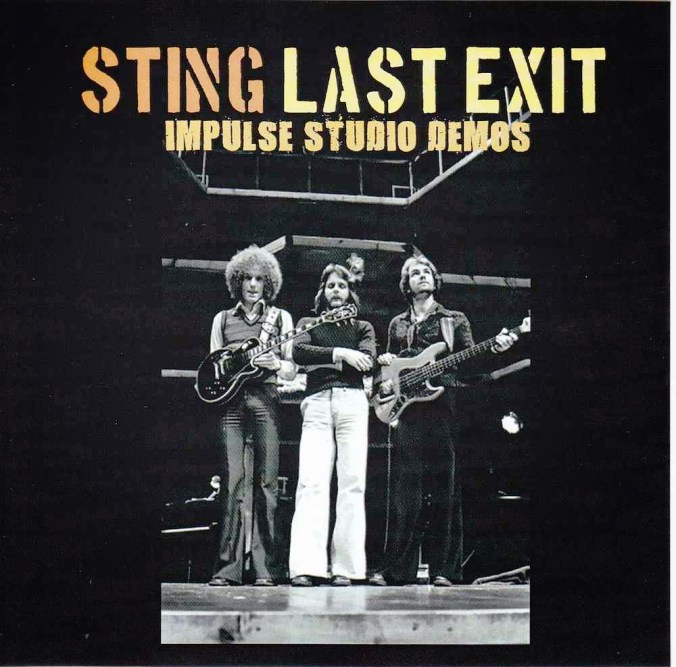
We crossed the border and travelled to San Sebastian, there was a jazz festival with big names on, Last Exit played in the town square, I don’t think the Big Band played there. I remember Sting played bass in Last Exit and other members of the Big Band were also in Last Exit.
When it was all over, we headed to Bilboa and jumped on the ferry. The crew found out about the band travelling over to England so invited them down to the Pig and Whistle bar in the bowels of the ship.
It was a great atmosphere with jam sessions going on, laughter, food and a few drinks – well more than a few drinks. At the end of the session as we were coming into Portsmouth, I went to the bar to pay but the steward said ‘no, nothing’. I insisted ‘Come on the boss told me to sort it out you’ve been really good, we’ve enjoyed ourselves, how much do we owe?’‘Ok’ he replied ‘One pound’. Wasn’t that a great gesture.
You know it was 2011 when the Borough Theatre in Wallsend where Impulse studio and Neat records were based was eventually demolished, it had been lying empty for years. Looking back, it was a great time but to be honest I just wanted to hoy the keys away. I worked there from 1966 to 2001. The years since then have passed very quickly.
After I sold Neat records I ran a Theatre group which went well until Covid destroyed the numbers involved so we are building it back up again. I kept a lot of the group together through ZOOM. I was also on the local club committee at Cullercoats on the North East coast here.
Now I’m writing short comedy scripts for a podcast. I’m trying to get them on local radio. Problem I have is some of its adult humour you might laugh your socks off but not sure you’ll hear it on the radio.
What else do I do? I’m also on a committee for wine tasting because I like my wine. That’s been going for 40 years. We also like our holidays, we have a few planned this year. We look after our Grandchildren and dogs and take them out to the country each weekend, yes you just get on with things don’t ya. I’ve also been involved with a few compilation CDs with the Cherry Red label, I’ll let you know all about that when we catch up next time.
Rock is still big in the North and you can’t get bigger than at Newcastle Trillians. In the coming months bands booked have the power to rip yer skin off yer skull. Here’s a few gigs to stir yer up and let yer know yer still alive in ’25.
Friday 14 Feb > Tytan/Baphomet – ex Angelwitch NWOBHM flag bearer Kev Riddles – “Great to be returning to Trillians, our North East home from home. Brilliant atmosphere and banter at the expense of yours truly! Amazing how a London accent brings out the best in people, see ya there!”
Friday 28 Feb > Godzz of Wor – ex Venom/ Ballbreakers guitarist Jim Clare – “We’ll be rocking the place with 205 years of experience – not bad for a three piece. Hardest working trio in the North East”.
Saturday 8 March > Spartan Warrior – NWOBHM/Guardian/Roadrunner Records frontman David Wilkinson– “Trillians shows are always pretty special it’s one of the best rock venues in the UK. Having hosted many fantastic and legendary bands across the decades it’s the North East equivalent of the Cart and Horses down south. We always have a great crowd in Trills, that’s appreciated and never taken for granted. We’re really looking forward to playing a headline show on home turf alongside special guests Risen Prophecy and Overdrive. It’s going to be a hell of a night…guaranteed!”
Also squeezed in are dates for White Tyger who opened for ex Motley Crue frontman Vince Neil and WASP guitarist Chris Holmes. The Midland Metallers hit the stage on Thursday 27 Feb. Stopping off in the Toon on Sunday 9 March is former vocalist with Ritchie Blackmore’s Rainbow/Michael Schenker Group/Vandenburg/Elegant Weapons frontman Ronnie Romero on his UK tour.
Big thanks to all the readers of the site with just over 4,000 for January and a total of 418,000 since the first post in February 2017. There was an extra push on social media for ‘The Butchers of Bolingbroke’ (Angelic Upstarts) and the punk band proved as popular now after first posting the interview in 2017.
January readers in UK & USA have contributed most views to the site, however there’s been a spike in numbers from Australia and Sweden after another social media push on ‘Ticket to Ride’ from promoter Julie Clay in 2021 and ‘Light ‘Em Up’ from stagehand & lighting technician Par Can in 2023.
Finishing with a big number crunch from the backroom statistics uncover the largest number of referrers to the site are from Google search then Facebook, with smaller numbers from Twitter, Bing and Yahoo.
Drilling down into the count for daily views reveal a rise from the first year (2017) of 46 to 219 in 2020 and 212 the next year, with a slight drop to 147 in 2024. Average views per day in the first month of this year are at 130.
Well, it’s just about the end of the eighth year of the site, loved every minute of working on it and meeting everyone I’ve interviewed over the years. I look forward to seeing who or what will turn up in 2025. If you’vegot a story to add, just get in touch.
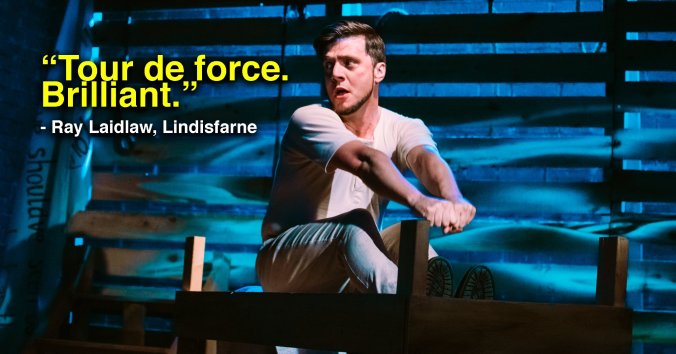
The incredible true story of Harry Clasper is set to tour the North East in February. The one man play ‘Hadaway Harry’ stars Jamie Brown who won a NE Culture Awards Performing Artist of the year.
Harry Clasper was born in 1812 in Dunston, Gateshead, at two year old he moved to Jarrow where he fell in love with the water watching ships coming up the Tyne. Education was limited for Harry, he couldn’t read or write and signed his marriage certificate with a cross. He started work at Jarrow Pit but unfortunately that didn’t work out so his next stop was an apprenticeship at Browns Boatyard.
‘That’s where he got clued up about boats. Harry revolutionized boat racing and boat design, innovations that became part of boat racing then are still employed in boat building today’ explained Jamie.
‘By shaving the boat they made a gun barrel shape instead of a square bottom and pointed the front of the boat. That increased the speed rather than drag through the water, and they made a scooped shape oar’.
‘It was like the time during the 2012 London Olympics when cycling became really popular, they had lightweight helmets, handlebars were shaped to create more speed – huge innovations just like Harry Clasper done for boating in the 1800s’.
‘Rowing was the main sport then, people would sit on the bank of the river and watch the race. Bets would be placed and there would be sponsors – even in those days. There would be stories of men employed to drill holes in the boats of opponents or tempt the oarsmen with alcohol the night before. There was even a case of someone’s food being poisoned. One of the first cases of boat tampering was with the part of the boat called the scull. The term skulduggery comes from that’.
‘The writer Ed Waugh has a desire to shine a light on people or events that have gone under the radar. We’ve done plays about North East musicians and singers Ned Corvan, Joe Wilson and Wor Bella about a ladies football team plus at the end of last year was The Cramlington Train Wreckers’.
‘These extraordinary stories about the working class, are told so they go unforgotten. There is a thirst for these stories, people responded well to them with standing ovations and sold out shows’.
pic. by Local Historian, Steve Ellwood
The Hadaway Harry shows in 2015 and 2017 eventually got Harry Clasper some recognition as a blue plaque was fixed onto the base of the High Level Bridge in Newcastle. There is also a pub called the Harry Clasper in Whickham, Gateshead.
‘He came from a big family – he was one of 14 and had 12 children himself. His ancestors are still around today, they’ve been to the shows and are very proud of his achievements’.
‘But his story wasn’t straight forward, it’s not looking back with rose tinted spectacles as he suffered personal tragedy and professional disappointments, there was plenty of hardship and personal dilemma’.
Later in life Harry became a publican in Newcastle but sadly died in 1870.
‘Over 120,000 people lined the streets for his funeral the procession was only a few miles but took over 12 hours. His coffin was put on a boat and sailed down the Tyne to Whickham where he was buried’.
The North East has stories of talented people achieving great things – we talked about the footballer Paul Gascoigne, coincidentally also born in Dunston where Harry came from.
‘Before Association football the sport of the people was rowing and Harry Clasper has been likened to the David Beckham of the day. I think, as many people do, he should have a statue next to the river Tyne. His achievements were fantastic. Do you know he won the world championship 8 times in 12 years’.
‘It’s been a privilege telling his story, but sadly this will be my last time on stage doing the Hadaway Harry show. I’ve loved doing the show but in the second half of the play it is hard rowing and narrating the story as a one man show plus I’m 40 in February so it can be a bit exhausting’.
‘So, this is me hanging up my oars but the play will go on and maybe a younger actor will take on the role. This is why on the tour schedule after about three nights we have a day or two off where there is time for rest and recovery and then for the next show I’m ready to be able to give 100%’.
For information about tour dates and venues contact the official website >>>
46 year old Tynemouth resident Luan Hanratty has strong Celtic roots. His father was born in Jarrow with their family connections going back to Galway in Ireland and his mother originally from Rosyth on the east coast of Scotland.
Luan at Arbeia Roman Fort, South Shields.
‘Yes, the Hanratty name is Irish, however, a brief background to my employment story is that I worked the financial sector in Prague, Czech Republic, moved to Shanghai in China where I was employed as an English teacher. I even appeared on TV there and published some books. Education is strong in my background as my father was a Drama Teacher’.
‘After Covid in 2020 I came back to the UK and based myself in South Shields. I was looking for my next adventure when I came across some local history and got obsessed with reading the stories’.
‘With my business partner Gary Holland we put together a website called Penbal – which is a Celtic name for the Tynemouth headland – the site features articles on Tyneside local history, photographs, AI art, links to Maritime Trust, Lifeboats Brigade and Fishermen’s Heritage plus local products for sale – prints, postcards, mugs, t-shirts and more’.
The latest story has recently featured on BBC News >>>
Luan’s latest post on the site is about a long lost river which flowed from the Mill Dam in South Shields.
‘Beneath the busy modern landscape of South Shields lies a forgotten natural feature – a river called the Mill Dam Creek but also known as the Branin River. This flowed from Mill Dam, next to Customs House today, out to the sea near North Marine Park and the Pier. This effectively made the Lawe an island’.
‘The channel played a vital role in the development of the town, both as a waterway and a habour, and once it was dammed with ballast, the Mill Dam formed a bridge between the north and south reaches of the early town’.
‘So important then, was the creek as a resource that it forms the base of the first industrial activity in South Shields, with coal mining also evident on the south bank where the pit wheel now stands above Asda carpark in Coronation Street’.
‘If you stand on the long sloping escalator when exiting Asda and look out across the huge carpark, you really get a feel for the valley nature of the Mill Dam Pond. Imagine what it must have looked like all those centuries ago’.
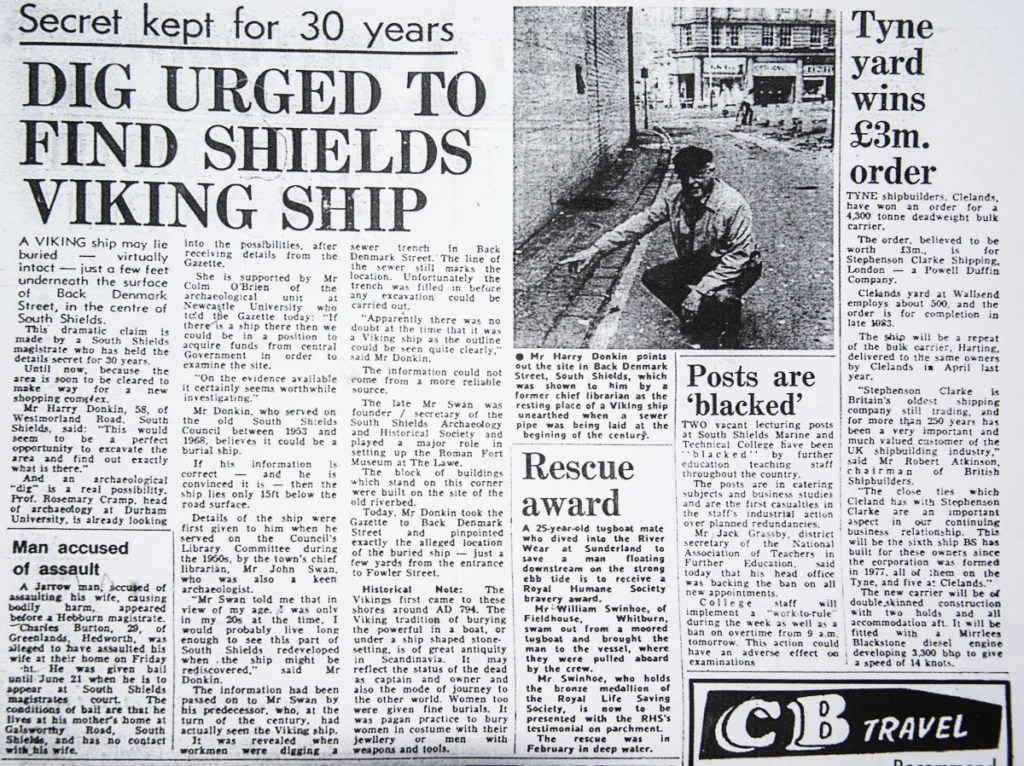
‘Another twist to the story is that in the 19th century much of the eastern end of the creek was covered by Denmark Street, where the Denmark Centre is today. In the 1830s, while building the street, a Viking longboat was discovered beside what was originally the river bed’.
‘Maybe there is someone out there who has more information about this amazing find. We know it featured in The Shields Gazette in the 1980s’.
Luan stresses that he has no plans to research any murders or the race riots that have happened on Tyneside.
‘So far, we have over 200 local history posts and we don’t look at any taboo subjects, I just like to paint a picture of our very rich heritage here on Tyneside’.
Working in media and entertainment can be a risky business and after Covid it only increased. Picking up a couple of jobs but then nothing for a while has been a regular pattern for me these past few years. It’s a struggle but I wouldn’t change it for the world, I’ve loved every minute of it since my first video commission in January 1997.
I remember the day well. I was in a community centre in Hetton le Hole, Durham talking to a group of former miners who were interested in making a video when someone burst into the room with tears in her eyes “You never guess what’s happened?” We all turned around thinking the pipes have burst, there’s been an accident, someone’s died, what’s happened? “Kevin Keegans left Newcastle United”!
South Shields theatre producer Ed Waugh
I was interested how others working in the creative industry have managed so I got in touch with South Shields playwright and theatre producer Ed Waugh. Ed is part of the North East based Wisecrack team who use theatre to document working class history. I asked him about his past year.
‘Where did 2024 go? The whole year passed like a whirlwind. We’d come off a busy 2023 but from January 1 we were focused on Wor Bella, which was transferring to the wonderful Newcastle Theatre Royal in April. If that wasn’t enough to organise, we did a pre-show run in London to get the production on its feet’.
‘Wor Bella is about North East women footballers in WW1 and the interest was massive. We had full pages in The Guardian and Daily Telegraph as well as tremendous coverage in other national publications. The upshot was London sold out’.
‘Coming home to the Theatre Royal was magnificent – three sold-out houses and just as in London standing ovations after every performance. It was my fifth show at the most prestigious venue in the region, a record for a local writer, so you can imagine how it swelled this Geordie’s heart with pride’.
(Link to interview with actress Catherine Dryden who starred in ‘Wor Bella’).
‘I’m just so honoured to be working with a top-class, professional and dedicated Wisecrack Productions team. We have director and actor Russell Floyd and other brilliant actors, technicians and hugely important people behind the scenes who allow us to put excellent stories on stage. It’s a true team effort’.
‘We’ve now sold around 800 Wor Bella scripts, so that’s canny. Many more thousands of people now know the story of these selfless working class women who saved the WW1 war effort’.
‘My book Geordie Plays Volume 1 has also almost sold out – the last few remaining first editions at Newcastle City Library are now officially collectors’ items’.
‘2024 ended with a triumphant tour of our play The Cramlington Train Wreckers. It’s about the General Strike of 1926 and how miners in Northumberland inadvertently derailed the Flying Scotsman during the nine-day strike before it was sold out by the TUC and Labour Party leaders. Word of mouth – the only marketing that really matters – was phenomenal and every venue sold out’.
‘We’re looking to get The Cramlington Train Wreckers out again in May 2026 to mark the centenary of the 1926 General Strike – the biggest rupture in British society since the civil war in the 1640s’.
‘In February 2025, Hadaway Harry – produced by and starring Jamie Brown – is touring the region. Hadaway Harry is about champion Tyneside rower Harry Clasper who was a forgotten Geordie legend’.
‘When he died in 1870, 130,00 lined his funeral procession in Newcastle. It will be the play’s 10th anniversary. I can’t believe a decade has gone by!’
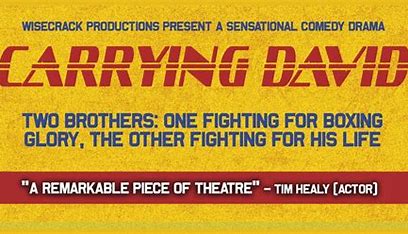
‘Then in June, Carrying David will play Newcastle Theatre Royal. My sixth show there. Carrying David is about Glenn McCrory’s rise to becoming the first North East world boxing champion. It is being produced by and stars Micky Cochrane. Don’t miss these plays, you’ll be spellbound!
(It’s worth checking out both ‘Hadaway Harry’ and ‘Carrying David’ reviews on Google).
Actress & Theatre producer Leah Bell
Dirty Dusting, of course, continues to tour nationally – and internationally – and that play is touring venues in the UK in October under the guidance of the inimitable Leah Bell’.
(Link to interview with actress & theatre producer Leah Bell from July 2021)
‘The old warhorse Waiting For Gateaux – written, like Dirty Dusting with Trevor Wood – will be performed in New Zealand this year. Having these four plays produced in 2025 by other people means I can take the year out to write. I’m working on a few new ideas that will hopefully see the light of day in 2026 and beyond’.
ITV news readerIan Payne & former BBC journalist & presenter Jeff Brown
‘I’ll also be doing my talks throughout the region, which amounted to around 40 last year, and I’m producing a series of talks with Ian Payne and Jeff Brown … “the two lads off the telly”. They are happening in April and May’.
‘We’ve done four of these ‘Evenings with’ before, and they sell out quickly. The lads are always good crack and the event is great fun. Loads of other stuff but I was only allowed 500 words for this post and I’ve used up over 600 already! Have a great 2025’.
For some it may be challenging times but Wisecrack continue rolling on. For further information, tour dates & video contact the official website >>>
WordPress, who run this publishing site have a statistics page where all the viewing numbers, countries, dates and comments are gathered and crunched. A new addition to the stats is the percentages from what device the site is being read from – currently it’s mobile 63%, desktop 32% and tablet 5%. We are entering nerdsville territory so some people’s eyes will glaze over but stick with it, the stats can bring up some interesting surprises.
I remember back in 2017 posting an interview with former Angelic Upstarts guitarist Mond Cowie and noticing views from the Bahamas – who’da thought punk would invade the tropical paradise!
The site kicked off in February 2017 with first year views of 15,478 quickly rising to 79,850 in 2020 with most people staying at home during the Covid pandemic. It was March of that year that hit the highest monthly views with 9,700.
2021 reached 77,259 with a high of 8,400 in February that year with a small dip back to a total of 51,482 in 2022. This year has experienced a sharp upturn in numbers, so after eight years you can say ‘it’s daein’ canny’. For non Geordies and Mackems that means ‘it’s doing fine thank you very much’.
2024 has hit over 53,000 views with nearly 3,000 this month. December readers from the UK and USA are high with an unexpected spike in numbers from Belgium. So, yep its daein’ canny. All the best for 2025!
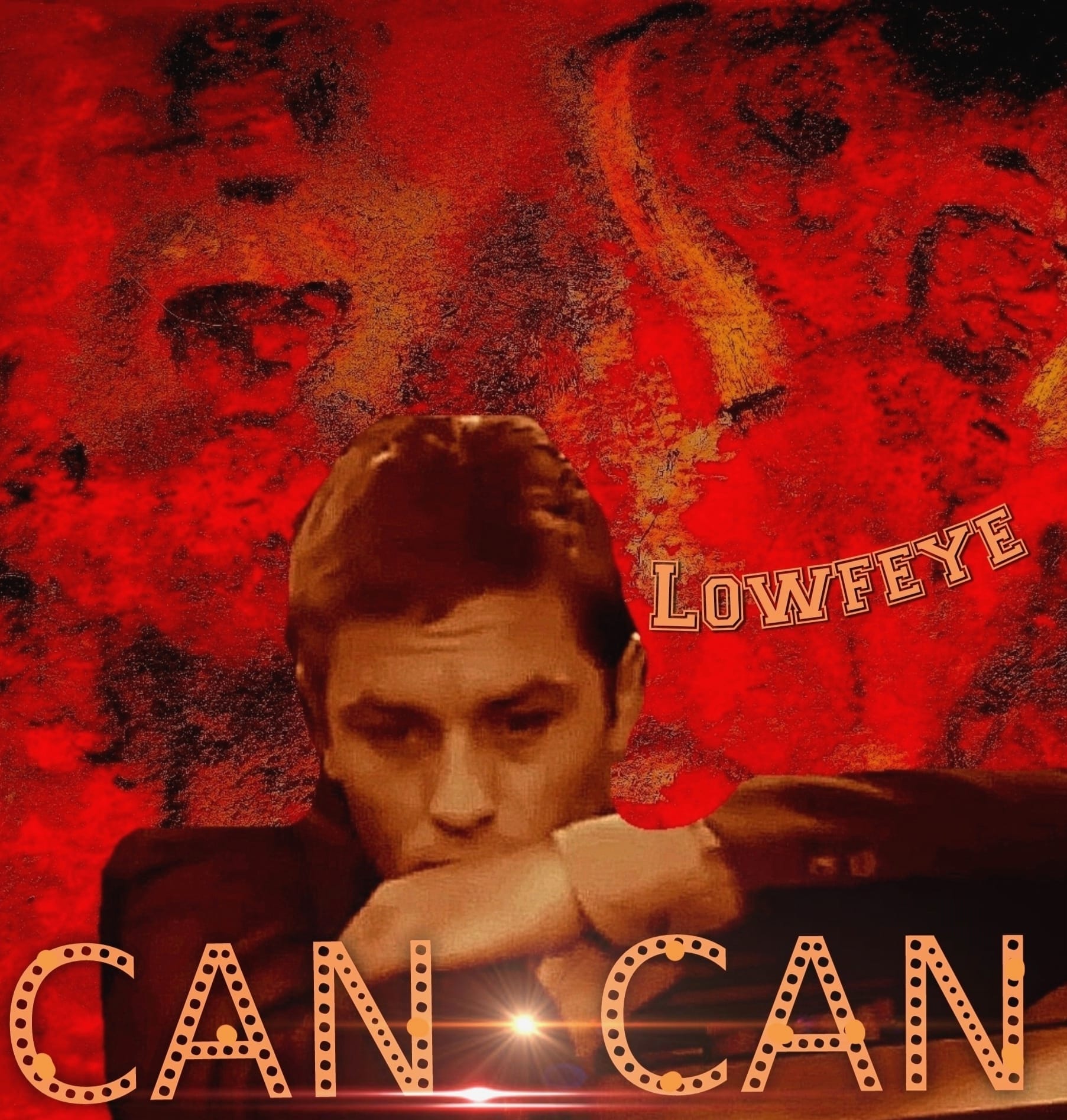
Lowfeye are Alan Rowland (musician) and Carol Nichol (singer & songwriter). They’ve just released ‘Can Can’ their fourth independently produced album. What have Lowfeye cooked up for these dark, cold, wintry nights? Carol throws a log on the fire.
‘Yeh it’s just the two of us – we have creative control which is paramount to the artistry and creativity of Lowfeye’ said Carol. ‘Songs start to evolve almost by accident. I can be in the Dakota desert composing a country rock road movie soundtrack with it all swirling around in my head while in reality I’m walking around a supermarket, buying wine, chips and beans that’s £14.70 please’.
‘Songs tend to flow fast and easy. They present themselves out of nowhere, almost as if I’m getting a brief from a film director who doesn’t exist’.
‘In the writing process they come in waves of sounds and colour all drifting out of my acoustic guitar or keyboard. Melodies, lyrics and hooks entwine with the influence of film themes, art, nostalgia, current affairs and story telling’.
Stand out songs on this 10 track album are Big Bang which bubbles around the pot, hypnotic goth rock of Babycham, dark piece Jeanne Hebuterne reveals the heartbreaking suicide story about the French artist while Dog Bite puts a vice like squeeze on before Valley of the Dolls hits the road running and Red Star rolls the credits. Lights out.
‘In terms of arrangements Alan and I concoct a cinematic landscape of colourful dreamlike worlds where rock and pop sit hand in hand with classical, folk and ambient. Anything can creep into the mix and make itself at home’.
‘Final stages of the songs reveal their identities with swirling organs rising through chiming guitars, orchestral textures battle it out with pounding drums’.
For creative artists managing and prioritising time is a daily challenge however the pay-off can be surprising and satisfying. As Carol throws another log on the fire she weighs up the benefits and snags of getting yer hands dirty.
‘Not being chained to labels does enable creative freedom, but the down side is juggling regular jobs. On that note if we were signed to a record label we would probably be dropped for not sticking to one formula or style of music’.
‘Getting the right take can involve days of stop-start hit and miss recording sessions, occasional gear malfunction, a phone ringing or the dog barking through a good vocal take, all of these things take time to iron out and finalise’.
‘On the flip side an afternoon can be sufficient to have a track in the bag all done and dusted. And all this recorded in a home studio in a box room setting on basic DIY equipment’.
From their first recording in 2017 with ‘Pow’ to their new offering ‘Can Can’ Lowfeye have produced another independent album full of ideas and imagination.
‘Like all Lowfeye albums ‘Can Can’ is like opening a chocolate box of sound with lots of different flavours. Lyrics can often go into risqué territory – you don’t know what yer going to get’.
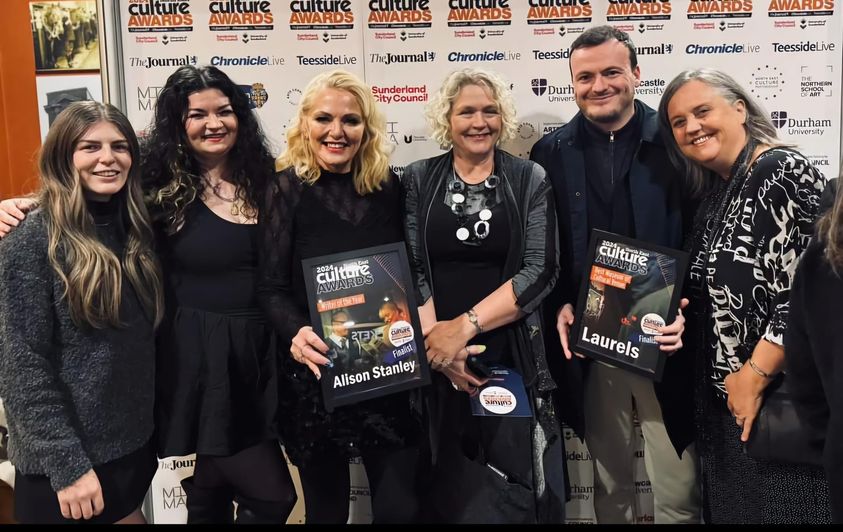
‘2024 has been an absolute rollercoaster. I’ve met and worked with some truly amazing people and for that I’m very grateful’ said Alison as she reflects on a productive year.
Alison (3rd from left) nominated at the North East Culture Awards 2024.
‘I started working with Laurels Theatre in Whitley Bay as their Director of Participation and that has brought new opportunities and challenges. Based on the Glasgow version, I started a new initiative called ‘Play & Pasty’ – it’s really took off’.
‘It was to encourage people to walk through theatre doors and see new writing. Every week actors have a script in hand reading and everyone gets a drink and a pasty from our favourite bakers Greggs’.
New writing is important to keep theatre fresh and encourage new audiences. Also, in these times when people are looking to come together the Play and Pasty initiative is providing an important and vital service.
‘These events have become firm favourites with people meeting friends and seeing theatre. This project is really helping not only increase theatre footfall but also combat social isolation and provide a safe, warm space’.
Dealing with challenging subjects is something Alison doesn’t shy away from to a point where her work has been recognised by the North East Culture Awards and organisations in the public sector.
‘I’ve been proud that my play ‘You Need to Say Sorry’ is being used by Social Services and the Police in their domestic abuse training. It’s amazing that something I wrote is in a small way helping in the fight against domestic abuse. I’ve also made the Culture Award’s 2024 finals as writer of the year with this’.
‘With fellow directors Maggie Martin and Polly Brennan I’ve also set up a community interest theatre company called Stanley Creatives. This has enabled us to produce theatre and music events bringing productions into the heart of the community’.
‘Stanley Creatives are also launching the Women We Are project. It’s a great project where we go into community centres and use drama as therapy with women who have experienced trauma through domestic abuse or cancer’.
Alison is fully determined to bring people together and use creativity as a positive driving force, with that she feel’s next year is shaping up to be a big year on the Stanley calendar.
‘I’ve some amazing stuff lined up. ‘Living the Life of Riley’ written by myself and Leah Bell is doing a UK national tour. I’m really looking forward to touring with this as we have former Coronation Street actress Vicky Entwistle starring plus my son is in the play. I also have my new play ‘Tits Up’ debuting February 18th to March 1st at Laurels Theatre, Whitley Bay’.
‘Film production is another avenue I’m interested in getting into so we’ve been working on a short film for a festival entry, it’s based on my stage play ‘Hard’ – I’m really looking forward to doing this’.
‘Our film ‘Bonny Chip’ with Lesley Saint John (Auf Wiedersehen, Pet) Deboa Meki and Rosie Fox – is still sweeping the boards at film festivals, we’ve had great nights at the film awards, plus of course the ABBA Girls with Kelly Lofthouse is going well – that train is still rolling’.













 ALIKIVI UK : NORTH EAST MUSIC & CULTURE