POWER TO THE PEOPLE: Former South Shields Councillor, Alderman & Mayor, James Dunlop 1865-1938

The blog has featured highlights from the life of Tyneside born international musician Chas Chandler, little known South Shields born musicians Kathy Stobbart and Jack Brymer, a brave war story from North Shields hero Tommy Brown, also a profile of my Great Uncle, Richard Ewart MP, a committed socialist from the south of the Tyne. His story ‘From Coal Mine to the House of Commons’ is on the link below.

The latest story researched and put together from a number of print sources features the colourful life of South Shields Mayor James Dunlop, it also includes a crossover in my family research.

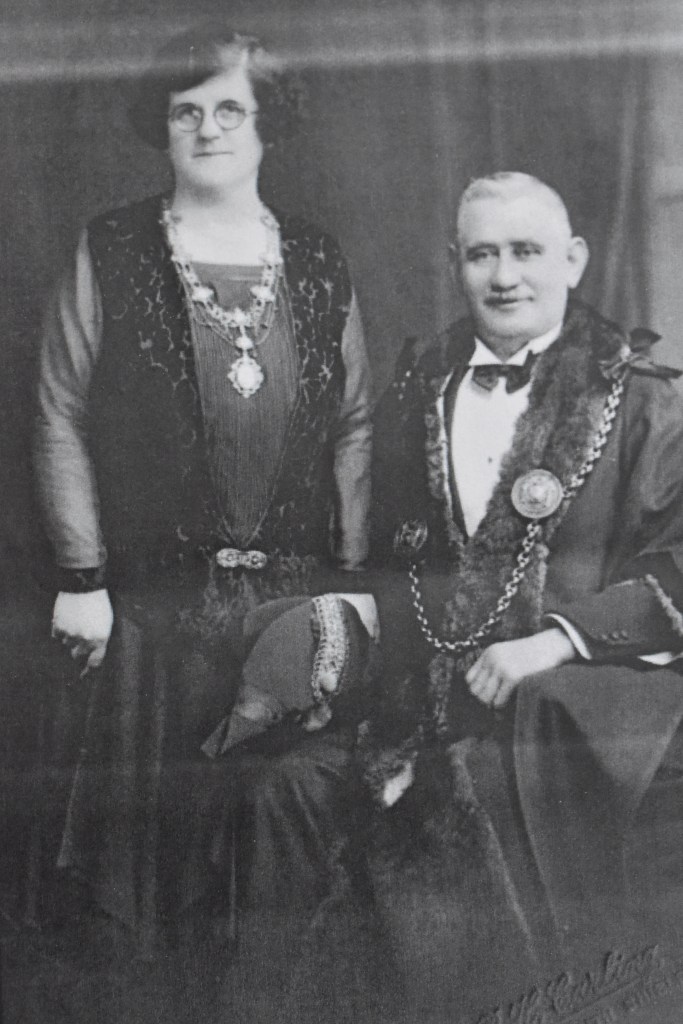
James Dunlop with his wife Marie pic. courtesy South Tyneside Council.

Glasgow born Dunlop spent a short time in Canada then returned to England where he worked in Barrow in Furness and Middlesbrough before moving to South Shields at the end of the nineteenth century finding employment in Tyneside shipyards.

Soon he was an active member of the Independent Labour Party but found their brand of politics a little tame so joined the Social Democratic Federation where he became a leading figure in the South Shields party.

Dunlop was quickly gaining a reputation as a fiery character who fought for what he thought was right for the working class people of the town.

Being successful at fighting local elections the Labour party took note and called him in, James agreed to become Tyne Dock ward councillor in 1906.

He retained strong links with the Social Democratic Federation party who were supported by the Russian Socialist Democratic Workers Party.

Through political and social gatherings Dunlop is likely to have met two Russian comrades – Tyneside shipyard worker Heinrich Fischer and my Great Uncle Alexander Alikivi who made the journey from Russia to the North East as a Merchant Seaman and settled in South Shields.

Family research is yet to point to a definite political affiliation for Alikivi but it was highly likely he was a member of the Russian Socialists, a party with someone speaking his mother tongue would be welcoming to someone so far from home.

Fischer was a confirmed member of the Russian Social Democratic Workers Party, useful reading about his life is an interview with author Vin Arthey who wrote an excellent book, The Kremlin’s Geordie Spy (link below).

Russia was in turmoil as a workers revolution raged across the country, to help the struggle in overthrowing the ruling Tsar regime and form a socialist government, arms were smuggled from the river Tyne to St Petersburg using established Baltic trade routes.

Along the riverside the boat building yards of Tyne Dock and Holborn would be suitable access points for smuggling. Was suspicious activity seen and reported ?

Upshot was a major police operation was launched on Tyneside leading to a number of arrests being made and Dunlop held on suspicion of gun running – this won’t look good for a recently elected councillor of Tyne Dock.

A search of his home revealed a box in the cellar which the police suspected had previously held guns and bullets. An Edinburgh address was on the box which led them to the ringleaders of the organisation.

How much involvement Dunlop had isn’t known, but fortunately for him he escaped any charges.

During the next decade Dunlop’s political career took off – employed as a boilermaker at Readheads shipyard his rallying calls for socialism won a strong following, he was promoted to Chairman of the Housing and Town Planning committee and made Alderman of the town.

James became a senior member of the Labour council with one of his proudest moments in 1928 becoming South Shields Mayor.

pic. November 3rd 1920 Alderman Dunlop laid a stone at the entrance of Cleadon Park Housing Estate, South Shields.

Sadly, after a 32 year membership and service to the Council, James passed away aged 73. A full council meeting was held to remember a valued colleague, Mayor Harris, councillor Gompertz, and my Great Uncle and brother in law of Alexander Alikivi, Councillor Richard Ewart, also attended. After the Second World War Ewart was elected MP for Sunderland.

Local newspaper The Shields Gazette featured the story –

“One could not but admire his courage, persistency and unshakeable belief in what he thought was right. I am sure the working class people of this town will remember with gratitude his fight for better housing conditions” said the Mayor.

Councillor Gompertz added “Alderman Dunlop’s work had a standing monument in the Cleadon Park Estate. People who had travelled the country looked upon Cleadon Park as the finest homes for working people in the whole country”.

“A pronounced Socialist, he laid the foundations of the party and we thank him for the enormous amount of spade work he did. In this Council chamber we miss his voice, which at times was raised against injustice and always in the cause of freedom”.

Research:

The Shields Gazette, South Shields Corporation minutes of proceedings July – Dec 1938.

‘We Do Not Want the Earth’ – The History of South Shields Labour Party by David Clark.

‘The Kremlin’s Geordie Spy’ by Vin Arthey.

RUSSIA’S GEORDIE SPY with author Vin Arthey | ALIKIVI : NORTH EAST UK (garyalikivi.com)

THE LAMPLIGHTER’S SON – Richard Ewart M.P. 1904-53. The long hard road from North East coal mines to the House of Commons. | ALIKIVI : NORTH EAST UK (garyalikivi.com)

Alikivi   February 2022.

JARROW LAD in conversation with pub manager & entertainer Jess McConnell

Jarrow is affectionately known as ‘Little Ireland’, it’s also the title of a documentary about the Irish immigration into Jarrow which had its premier at The Customs House, South Shields on St Patricks Day 2009.

The film is planned to be screened on one of the local history themed nights at The Albion Gin & Ale House in Jarrow.

In a recent interview manager Jess McConnell told me he is looking forward to screening the film because of his connection to Ireland and also his life in entertainment and pubs.

Jess was born in 1952 and brought up on Jarrow’s Scotch Estate. His mother named him Gerard but at school there were three Gerard’s, so somebody gave him the name Jess which has stuck to this day.

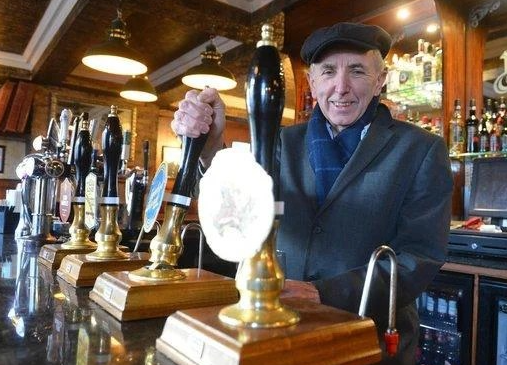
Jess at the pumps of The Gin & Ale House, Jarrow. pic. courtesy The Shields Gazette.

My family came from Mahon, County Cork, Paddy my Grandfather came over for work in the shipyards in the early 1900’s. I remember when I was 5 or 6 my mother used to take me to my Irish granny’s house where she had hens and chickens in the backyard.

My Dad was a bricklayer who travelled on the train from Jarrow to work in Newcastle, he was also a drunk so he was still worse for wear and missed his stop regularly – the end was North Allerton which is miles away.

Some nights me and my mother would be woken up by a taxi driver wanting a week’s wages.

But one day my Dad was coming home from work and again fell asleep on the train. He was nudged by the guard “Wake up Charlie you’ve missed your stop, you’re at East Boldon”.

Luckily he was only one stop away from Jarrow so he thought he would walk back along the lines. He did – and walked straight into an oncoming train. We were devastated.

After leaving St Joseph’s school in Hebburn I served my time as a plater in the shipyards and when I was old enough I started drinking in the local pubs in Jarrow.

There was no jukebox’s then so we would sing-a-long with piano players tinkering in the corner. That’s how we began entertaining, getting up and ad-libbing.

By 1970 I joined the Mel Unsworth Agency in Jarrow and started as a solo singer and played with a number of groups on the clubland circuit. There was so much work then, the clubs were packed – it was booming.

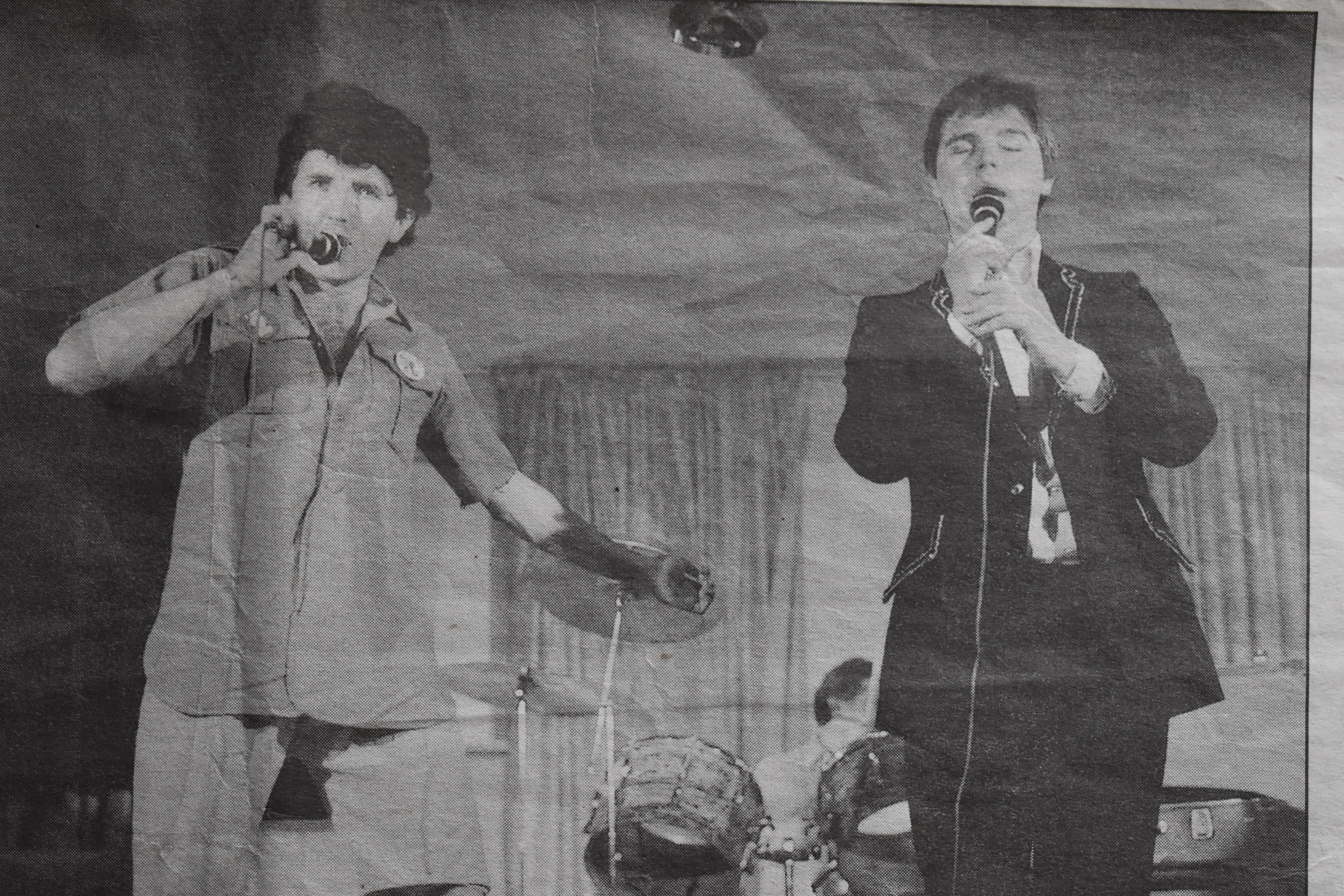
Terry Joyce & Jess McConnell as The Jarrow Lads.

I was still a plater during the day working down Teeside during the ‘70s oil and chemical boom, that’s where I met Hebburn born welder Terry Joyce. Terry was also a performer and we got along great so decided to join forces and went out as the Jarrow Lads from 1979-84.

As a double act we sang and performed comedy in North East clubs, to keep the act fresh we loaded the van with our P.A. and done ten day runs in Scotland and Yorkshire.

We enjoyed it and got very popular on the circuit but being away a lot the missus wasn’t happy.

We were regularly playing ten shows a week and in 1980 won a North East Comedy Act of the Year at Newcastle Mayfair – yes you could say we took North East clubland by storm (laughs).

Jess & Terry on stage.

One day in 1983 I saw The Queens Hotel opposite Jarrow Steelworks up for sale so I said to Terry why don’t we buy this pub it’s going for a snip – or so I thought. The trade wasn’t too hot, it had run down a bit but there was thirteen bedrooms upstairs.

The idea was to run the pub and hotel and be able to hand pick our stage work, no more trips to Birmingham or Yorkshire but Terry didn’t fancy that and we called it a day for our duo – I jumped head first into the pub game, he went on to a successful solo career. There was no falling out, we parted as friends.

We renamed the pub The Jarrow Lad and it started going well, upstairs we had rooms for travelling entertainers just like me and Terry used to do. We got in touch with the agency’s and told them about our set up here for accommodation.

On tour you would sometimes have a free night so the performers would stay here and put a show on and get free bed and board – Roy ‘Chubby’ Brown played on two consecutive nights, one for the ladies and one for the gents.

Jarrow Elvis in 1992 pic. courtesy Newcastle Chronicle.

We put on a ‘free and easy’ night with a keyboard player, drummer and anyone that could get up and sing. This one night a guy called Joseph Allan came in off the street, had a few pints, got up, sung a few songs, and I gave him the name Jarra’ Elvis – for the next few year he ended up being a huge attraction.

Another opportunity came along to take up a Vaux tenancy of the Robin Hood pub in Jarrow. We ended up running both pubs simultaneously putting on entertainment six nights a week.

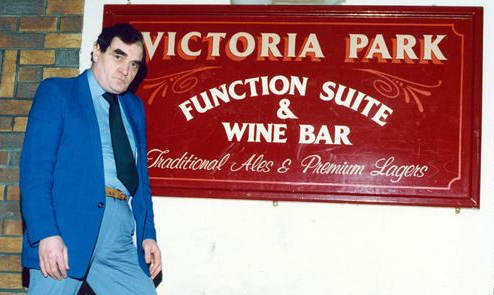
In 1987 I noticed Hebburn Trades and Labour Club was boarded up so we stepped in and renamed it The Victoria Park. National acts appeared on the bill like Bernard Manning, Jimmy James and the Vagabonds – we were upgrading the entertainment, plus we had a regular four piece band.

A few year later we sold The Victoria Park for a tidy sum and bought The High Pit Social Club in Cramlington. It already had a reputation for booking big acts for their 450 seater concert room with lamps on the tables – like a large cabaret room.

We booked American singer Jack Jones, Tony Christie, Ken Dodd, Norman Wisdom, The Drifters – packing it out every time. The club was doing well and looking forward to more national acts coming through and more opportunities.

We had acquired another two social clubs – The Percy Main, North Shields and Battle Hill, Wallsend. We were giving them a bit of life by revitalising them – but unfortunately through all this my marriage suffered and we split.

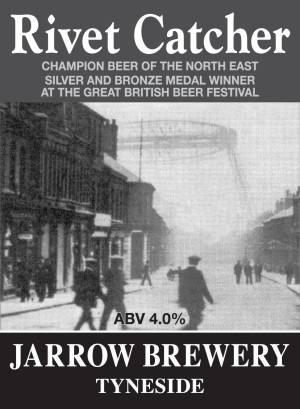
Real Ale ‘Rivet Catcher’ named after a shipyard trade.

A few year later I remarried and my second wife and I shared a love for real ale. After a brewing course we bought the derelict Robin Hood pub from Vaux and reopened it in 2002 with a micro-brewery inside.

We could brew ten barrels of beer that’s 360 gallon at a time and one of our main beers called Rivet Catcher (a shipyard trade) became a champion beer of the North East and runner up in the Great British beer championship.

The pub was voted the CAMRA pub of the year a number of times, we had beers with local names like Joblings Gibbet, Red Ellen (Wilkinson Jarrow MP) and Jarrow Bitter.

We needed outlets for our beer so over the next few year we acquired, refurbished and put our beers on the counters of The Robin Hood, Magnesia Bank in North Shields, The Maltings in South Shields, The Isis in Sunderland and finally The Old Albion Hotel in Jarrow.

Now we had a 40 barrel plant, everybody was after out beer even Newcastle United wanted Rivet Catcher on their shelves.

We expanded our brewing capabilities by getting a space on the Bede Industrial Estate and the Jarrow brewing plant became the biggest in the North East.

That might sound outrageous but this was a time when Newcastle brewery had moved to Yorkshire, Federation in Gateshead and Vaux in Sunderland had both closed down.

Now we needed a bottling plant which would cost upwards of half a million pound, for the first time we needed outside investment. A financial consultant read our story in the Journal in 2015, got in touch and set up a few meetings to discuss it and plans were made.

Within a week I’m down in London meeting potential investors and listening to all the patter but I was gullible and soon put a deposit on a bottling plant, the contract tied in the pubs and our house.

A few times I was told the money is coming but the money didn’t come, the upshot was we lost everything, our house the lot – we were bankrupt. The financial consultant and his cronies picked up our assets from the receivers.

I’ve thought this through and I’m not saying they came into this to get me hook, line and sinker – was that the plan all along ? I think somewhere along the line they recognised I was desperate for the money and without it they thought they could pick up a few assets. It was a hard time. 

So what do I do ? Well it’s time to pick myself back up again, go back to the beginning put a stage act together and perform in pubs, clubs, old folks homes anywhere that will give me a spot – I wanted, needed to have a bit of fun again.

I done that for about five year then one night in Hartlepool I was struggling up some icy stairs with huge speakers to entertain about 40 people in a 300 seater club. How much longer can I do this ?

Gin & Ale House, Jarrow pic. courtesy The Shields Gazette

Then I got the opportunity to take on the Albion in Jarrow – yes another pub again. I signed up for a three year tenancy agreement but unfortunately I couldn’t have taken over at a worse time because the covid virus had just started to spread.

We had the pub going for a couple of weeks then it all crashed in – lockdown.

It’s only a small pub indoors so we’ve had a few months of nothing happening but we’re finally getting there, with relaxed rules about using outside space we got busy in the summer.

We had so much free time on our hands that we made a few short videos, they are humorous but with a serious message one for the NHS and their magnificent work. Another tackles the problem of only four pubs left in Jarrow as one time there was fifty four.

Don’t get me wrong it’s not easy in the pub trade because they are open then they are shut and people are not coming out because they are petrified of covid. Who knows what’s round the corner – another virus next winter ?

But at the end of the day and at my age I thoroughly enjoy running just the one pub and we were lucky to get a really nice rented house in Boldon near the river Don.

The Albion Gin & Ale House, 76 Walter Street, Jarrow. 0191 489 7222

Interview by Alikivi   February 2022

FRAMING HISTORY #2 Photos Capture a Decade of Changes

In an earlier blog – Framing History, 11 January 2022 – I posted about being invited to add my photographic collection to the South Tyneside History website managed by the library.

The site celebrates the heritage of the borough by preserving photographic and printed history.

For over 25 year I’ve taken photographs around South Tyneside and this first collection that is being added to the site holds over 2,000 images from 2008 onwards – a unique documentary record of a decade of changes in South Shields.

Photographs were taken all year round to capture demolition of buildings and new construction work at different stages. There was also a lot of early morning and evening visits to locations avoiding people and cars.

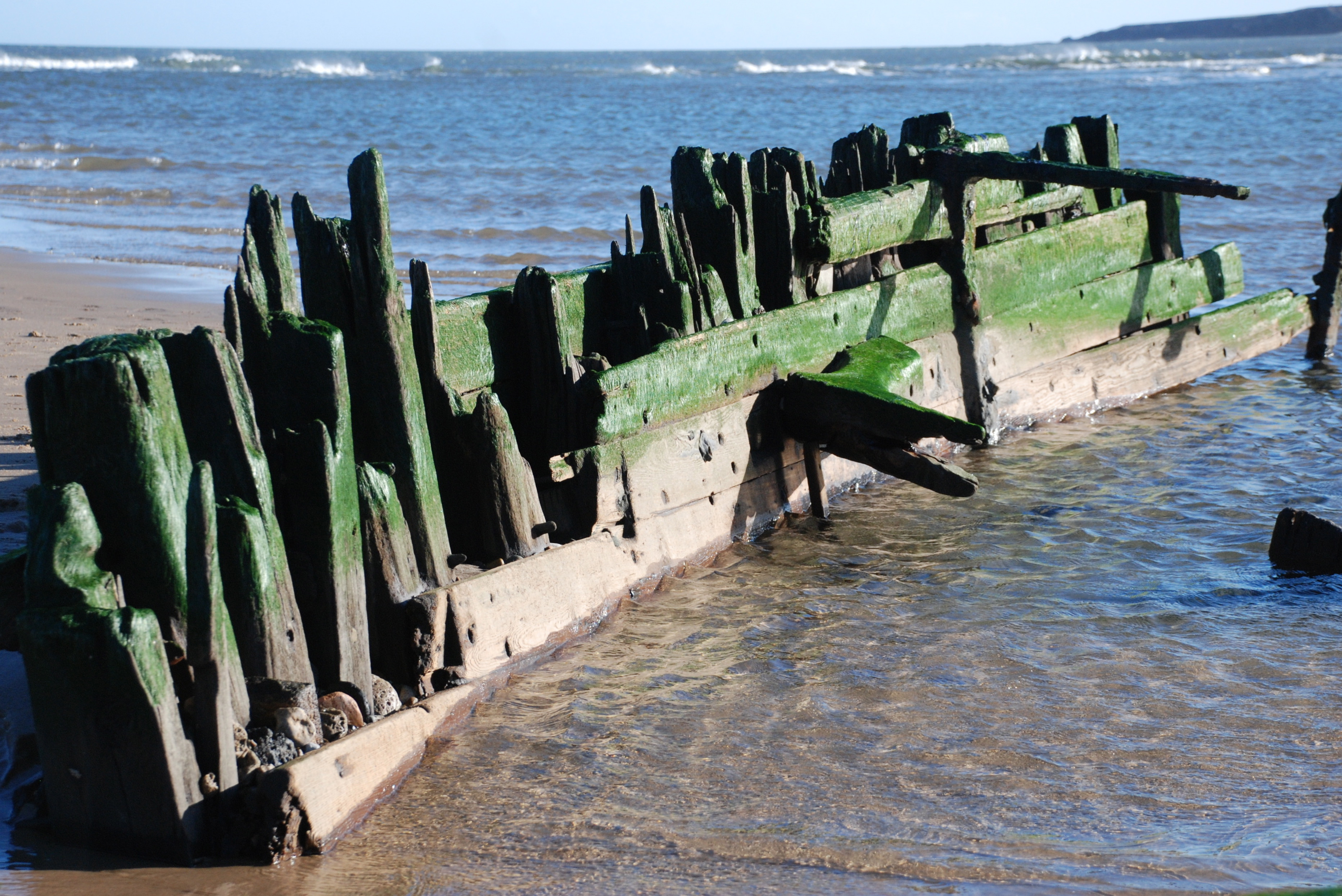
‘Constance Ellen’ shipwreck, Herd Sands, South Shields.

Finding the right angle or getting close to the subject meant climbing a fence or plodging in the sea to get close to the Constance Ellen shipwreck who ran aground on Herd Sands near the South pier over 100 year ago.

On a cold wintry morning you need to get out of your nice warm bed like the time I turned up at the seafront on a bitter December day. Over the past year I’d taken hundreds of images showing a new seawall and promenade being constructed on South Shields seafront.

‘Littlehaven Eye’ being lifted into place with a sunken trawler in the background.

There was a large crane taking the ‘Littlehaven Eye’ off the back of a lorry and putting it in place. Also adding to the landscape, framed by the North and South piers, was a sunken trawler in the sea, plus ten minutes later a large car carrying ship entered the river Tyne.

If I didn’t turn up that morning I would have missed an important part of the development.

Thanks to Catrin Galt, Community Librarian based at The Word, South Shields, and her team of volunteers who work on the project to keep history alive.

Check out the website:

https://southtynesidehistory.co.uk/

Alikivi January 2022.

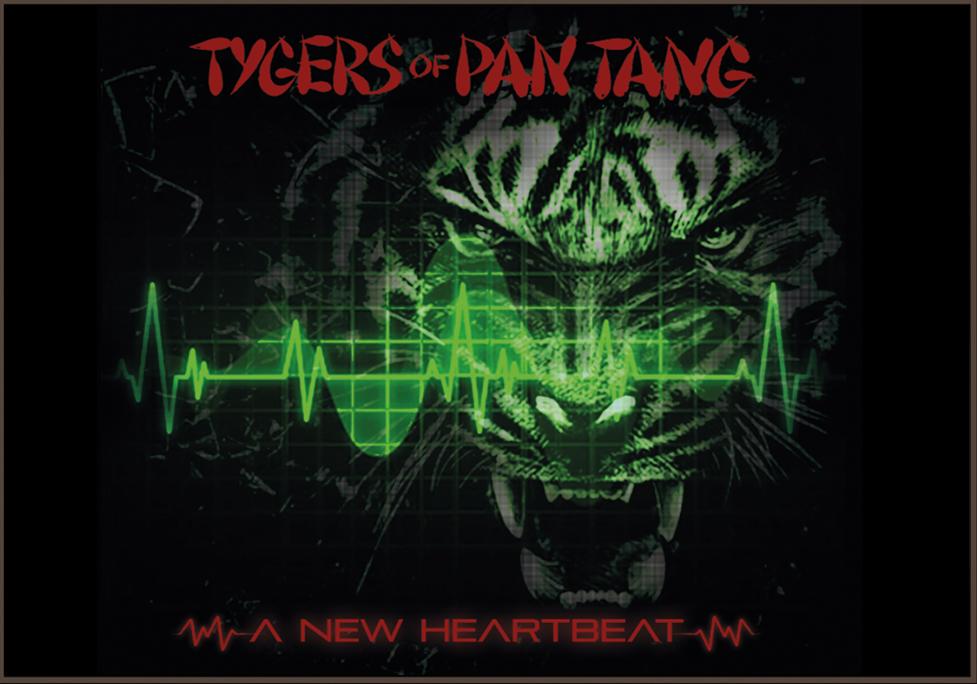
A NEW HEARTBEAT with Tygers of Pan Tang guitarist Robb Weir

In the early 1980s the North East New Wave of British Heavy Metal included the big five of Raven, Fist, Venom, Satan and Tygers of Pan Tang. After a load of gigs played, records made and over 40 year experience in the music biz you’d think Tygers guitarist Robb Weir had seen it all.

The last three live shows the Tygers played were back in March 2020 when we went to Holland, Belgium and in Germany with Saxon. When we returned back to the UK a national lock down was imposed and that meant no more live appearances for a few months, or so we thought.

Here we are in February 2022 nearly two years on and our live shows are still being postponed, what is really going on? If you know please tell me as I have run out of patience!

The new Tygers line-up left to right Huw Holding (bass) Jaco Meille (vocals) Robb Weir (guitar) Craig Ellis (drums) Francesco Marras (guitar)

How did you handle the lockdown ?

I write music all the time so when we were confined to our ‘living spaces’ I took the opportunity to demo some of the ideas I had with thoughts of the next album in mind.

Along with all this lock down caper we changed our guitar player and welcomed the amazing fretboard talents of Mr Francesco Marras into the Ambush – if you didn’t already know an ‘Ambush’ is the name for a gathering or group of tigers in the wild!

What was the recording process ?

I demoed about twenty songs and sent them to Francesco to get his input and fresh ideas on them. Francesco re-recorded them in his studio and with his musical additions took them to the next level. The only problem we had was deciding which ones were going to make the final cut onto the new album as they were all contenders.

At the same time we also decided to record an EP to give everyone a taste of what’s to come, also to showcase Francesco’s ability to play a lovely melodic guitar solo, so two new tracks were written.

We also asked Francesco which was his favourite track from Wildcat our first LP in 1980. He said ‘Killers’ was always one of his favourites and I had a bit of a passion to re-vamp ‘Fireclown’. 

We set about recording these four tracks remotely in our own studios, I recorded my parts in Gav Gray’s studio as mine is out of the ark. The finished tracks were sent to Marco Angioni, at Angioni Studios in Copenhagen, Denmark to be mixed and then across to Harry Hess in Canada to be mastered.

Is there a release date for the record ?

‘A New Heartbeat,’ is officially released World Wide on February 25th with an accompanying video but can be purchased pre-release online now from the Tygers web shop (link below) also our record company’s web shop Target Records.

What’s next for the Tygers ?

Gav Gray (bass) decided he wanted to visit ‘pastures new’ after we finished the new recordings so we have now welcomed a new bass player into the Tygers family, Huw Holding.

I’m very excited about the new Tygers material as I feel it’s the strongest yet, but we’ll let you be the judge of that….best Tyger wishes to you all!

Tygers Of Pan Tang – The Official Site 

Interview by Gary Alikivi January 2022

TYGERS TAKE ON RADIO BEDROCK 

Music journalist Ian Penman (RIP), Newcastle City Hall photographer Rik Walton and Tygers of Pan Tang manager Tom Noble presented the Bedrock radio show on BBC Newcastle during the late 70’s and early ‘80s. The programme featured music, a gig guide and interviews with local and international bands.

I was sent some copies of the shows and one programme featured an interview with guitarists Robb Weir and John Sykes from Whitley Bay band Tygers of Pan Tang. Sykes had just been added to the Tygers line up.

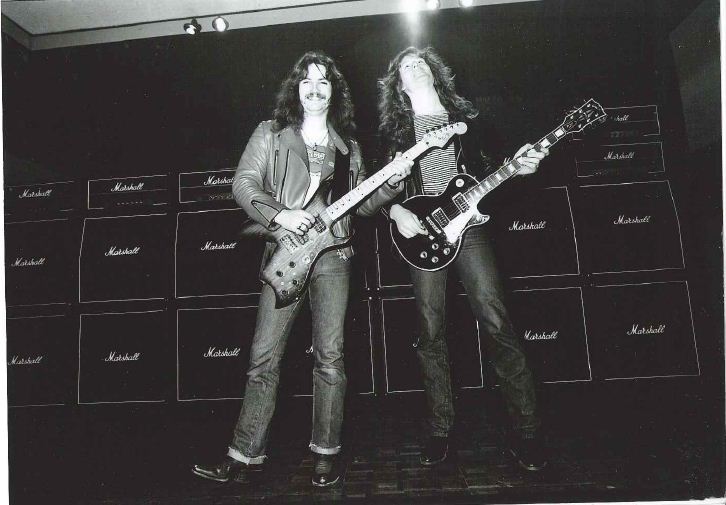
John Sykes & Robb Weir

Ian Penman talks to Robb Weir and asks him how do you feel about John joining the band?

‘I didn’t like the idea at first, but Tom (Tygers manager) said when we were playing with the Scorpions and Saxon the sound lacked and we needed to do something about it. I’ve got enough confidence in the guy, I’ve known him a long time and he doesn’t often come out with bad ideas so I went along with his suggestion.’

‘When we’ve recorded in the past I’ve done a backing track no matter how far down in the mix it is, it’s always there. Rocky’s never wanted another guitarist, it might steal a bit of thunder in his bass lines, we’ve never considered one and we’ve never wanted a keyboard player’.

‘But having John in is good because he’s a tremendous guitarist and a much better guitarist than I am at playing lead guitar. I’m not resentful whatsoever, he adds to the sound in the band and seems very grateful to be in the Tygers as we have an LP out and are selling out shows.’

‘I took an open line with him saying I’m happy for you to play what you feel fits with my original guitar parts. If you have any more ideas chuck them in! I was very keen for us to share guitar solos with the likes of ‘Don’t Touch Me There’ where John plays the first I play the second. In ‘Rock n Roll Man’ he plays the first half of the guitar solo and I play the second and so on’.

‘Because he’s so good I’m not going to keep him down and restrict him to a couple of solos in the set. I wrote them all but he’s shit hot. We were having a game of space invaders and I said to him don’t worry if there’s any other guitarists out there who think they’re better than you, they won’t be! A big smile came across his face. The guy is very, very good, you can be the best guitarist in the world but if you haven’t got the songs then you are nobody’.

Penman: Will John be writing any songs?

‘Yes definitely we’re going to write together then take them to the band and if we all like them we’ll develop them further. Writing songs is not an exact process for example with ‘Rock n Roll Man’ I wrote five riffs took them to the band and chose one, the other four went to the wind’.

Robb Weir & John Sykes

Penman: There’s a swagger in your walk, like a star before you’re a star…

‘I’m very sure of myself, things are looking very good at the moment, but if it all goes down the drain and fails and I didn’t have this bit of thunder now, I would never have had it in my life. So if it goes from strength to strength and I get stronger, we do another album, a headline tour and go further up the ladder I’ll get more cocky (laughs)’.

Penman talks to John Sykes: What did the band ask you to do at the audition?

‘They gave me a chance to get my guitar out and tune it up. Brian sat on his drums and said to me what we’re gonna do is play a beat on the drums and we want you to just improvise along with it’.

‘He started off with a slow rhythm, when I was improvising I gradually got faster and faster then Rocky got up off his chair and walked over to his bass and started playing along. Then Robb joined in and we really started rocking it sounded tremendous’.

‘A couple of days before the audition the band invited me down for a chat to see what I was like’.

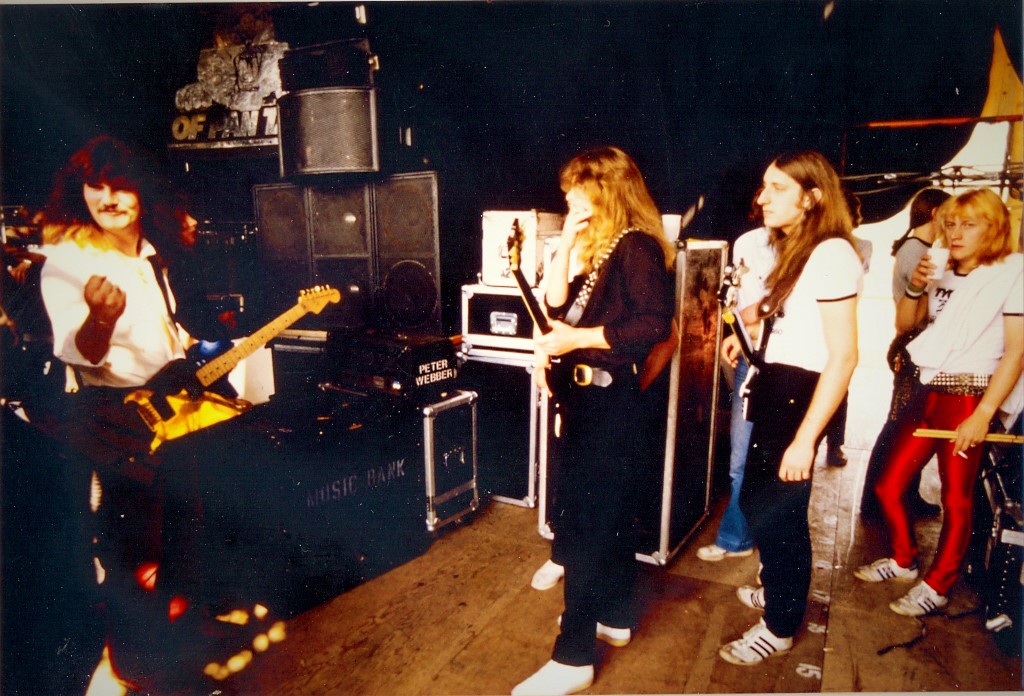
Tygers of Pan Tang backstage waiting to go on at the Reading Festival.

Penman: How did you end up in Blackpool?

‘I come from Reading originally but I was in Blackpool working on a building site. I left Reading when I was 14 and moved up to Blackpool with my family. I’m 21 now, but when I was 14 we moved to Spain for three years, I came back when I was 17 and got a job labouring on a building site in Blackpool, it was good money’

‘As time went on things just got worse, I used to dread 8 o’clock in the morning going to work I hated it and one day I just thought I’m wasting my time here, I’ll have to do something. I had a look in the music paper’s and saw an ad for the Tygers auditioning for an additional guitar player. It was just what I was looking for and the timing couldn’t have been better’.

Penman: How often was your previous band Streetfighter playing?

‘I was playing about two or three times a week and it was going ok. We had a track coming out on a compilation album before I left. It was something to do with Geoff Barton and Des Moines it was called the ‘New Electric Warriors’. I don’t think Streetfighter were going hit the big time, but the Tygers….’

Unfortunately some of the programmes are incomplete and the interview cut off here.

Gary Alikivi, January 2022

Thanks to Jimmy McKenna & Rik Walton for Ian Penman’s Bedrock radio tapes. More articles will be added in future posts.

Interview with Robb Weir November 2017

DOCTOR ROCK – in conversation with Tygers of Pan Tang guitarist, Robb Weir | ALIKIVI : NORTH EAST UK (garyalikivi.com)

Interview with Ian Penman, August 2018

WRITING ON THE WALL – in conversation with North East music journalist, broadcaster & producer Ian Ravendale | ALIKIVI : NORTH EAST UK (garyalikivi.com)

25 YEARS OF NORTH EAST RADIO BEDROCK

New Dawn Chorus by Tyneside band Beckett was the first track played on Saturday morning 5 May 1974 by presenter Dick Godfrey for Bedrock, a new radio show from BBC Newcastle.

Originally broadcast from Christina House in Jesmond, the programme featured music, reviews and candid interviews with national and local bands to give them exposure in the music industry.

The presenters ran through a weekly list of gigs booked in pubs and clubs across the region, among them were The Wax Boys at the Burglars Dog in Blyth, Satan at Spectro Arts, Southbound at the Honeysuckle in Gateshead, the Caffreys at South Shields Legion, White Heat at Balmbras Newcastle, East Side Torpedoes at Darlington Arts, Tygers of Pan Tang at Sunderland Mayfair and Raven headlining Newcastle Mayfair.

There was a local band that Bedrock used to play regular, ‘he was a good bassist with a decent voice’ said Godfrey. That was of course pre-Police Sting and his jazz influenced Last Exit who were a major band in Newcastle towards the end of the ‘70s.

Musician John Farmer, formerly of the Steve Brown Band who wrote the signature tune for the programme  ‘What was good about Bedrock was it gave unsigned bands an opportunity to get their stuff on the airwaves, it was a great thrill to do it’.

Ian Penman

One of the most familiar radio voices was Ian Penman (writing as Ian Ravendale, music journalist for Sounds).

‘I first heard about Bedrock when I read a piece in NME. Dick Godfrey called it Bedrock because most rock fans at the time of broadcast 10.30am Saturday morning, would still be in bed. At first it was only half an hour then it got moved to Monday evening’.

‘The first interviews I done were America and Mike Nesmith it was very interesting to be hanging out with American rock n roll stars in the Newcastle Holiday Inn. I interviewed Paul McCartney and had a load of clever questions to ask but when it came to it I forgot them all’.

Penman was a champion of local music regularly playing demo tapes and singles from North East bands including Raven, Mythra, Total Chaos and Penetration. ‘Sunderland punks The Toy Dolls were so keen to get their 7” single ‘Nellie the Elephant’ played on Bedrock they delivered the record to my front door’.

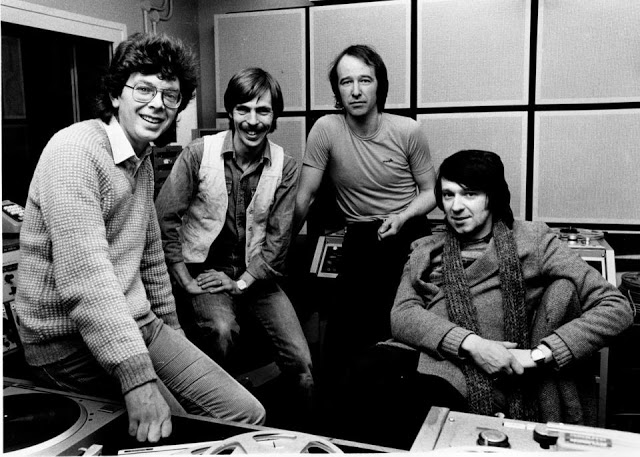
Left to right: Tom Noble, Arthur Hills, Rik Walton & Ian Penman.

Penman, who stayed for four years, was joined in the studio by a local guerrilla team of Rik Walton (Newcastle City Hall photographer), Tom Noble (Tygers of Pan Tang manager) and music journalist Phil Sutcliffe (interview links below).

In a recent interview Sutcliffe recalls the Bedrock team…’Ian Penman was drawn to the media and made a life within it, which must have taken a lot of gumption to prove what he could do because he wasn’t a flash bloke’.

‘Rik Walton was a good friend and photographer of the Newcastle scene, one who worked via mild manner rather than being pushy and sharp-elbowed’.

‘You wanted Newcastle music pix, Rik was the man. Rik’s pix are still valuable in every sense and he’s still the man for images of that time and place’.

Angelic Upstarts (Mond & Mensi) pic by Rik Walton.

South Shields punks Angelic Upstarts brought their own energy to the North East music scene, Dick Godfrey recalls a Bedrock promoted gig at Newcastle Guildhall where the Upstarts had a pigs head on stage.

They were really giving it welly, chewing and gnawing at it, then threw it in the audience where it hit someone and knocked them over, they were laid out for a few minutes’.

When Phil Sutcliffe announced he was leaving for a job at Sounds, Norman Baker joined Bedrock ‘It was the essence of music, getting to terms with it and sussing it out. Bedrock was such good fun and some interviews were spectacular’.

Baker told Godfrey the Angelic Upstarts first single released in 1978 ‘Liddle Towers’ was still on jukeboxes in South Shields and a bit of an anthem. After 25 years the last Bedrock programme broadcast 5 May 1999 and Godfrey played in all its glory ‘Liddle Towers’.

Gary Alikivi  January 2022

Thanks to Jimmy McKenna & Rik Walton for Ian Penman’s Bedrock radio tapes. More articles will be added in future posts.

Ian Penman 2018

WRITING ON THE WALL – in conversation with North East music journalist, broadcaster & producer Ian Ravendale | ALIKIVI : NORTH EAST UK (garyalikivi.com)

Rik Walton 2019

EYES WIDE OPEN – in conversation with photographer Rik Walton | ALIKIVI : NORTH EAST UK (garyalikivi.com)

Phil Sutcliffe 2021

MORE THAN WORDS: with Chief music writer, Phil Sutcliffe | ALIKIVI : NORTH EAST UK (garyalikivi.com)

FRAMING HISTORY

South Tyneside History website celebrates the heritage of the borough by preserving photographic and printed history. The images have been digitally recorded from original items held by South Tyneside library.

Included are historical maps, old postcards and thousands of images by notable South Shields photographers James Cleet, Amy Flagg and Freddie Mudditt – recently I’ve been invited to add my collection to the site so I’ll be in good company.

pic by Amy Flagg of South Shields Market bombed during Second World War. Courtesy of South Tyneside Council.

For over 25 years I’ve photographed South Tyneside, the main focus of this collection of images (2,000) were taken over the past decade of the changing face of South Shields.

The collection is a unique documentary record of the demolition of buildings at the sea front and market place, to construction of The Word, Littlehaven Promenade, Harton Quays, Haven Point and more – if it was getting knocked down or built up I was there!

Pic taken 11 March 2013 with South pier in the background and a flooded sea front car park, now the site of Littlehaven Promenade and Seawall.

The images will be available to view soon in the meantime why not check the site

 South Tyneside Libraries (southtynesidehistory.co.uk)

Gary Alikivi   January 2022

LOWRYS WAR

One of Britain’s most popular artists L.S. Lowry is best known for painting working class life and finding beauty among dirty buildings, chimneys, factories – the everyday

‘When I was 22 we moved from the residential side of Manchester to Pendlebury, an industrial suburb of Salford. At first I didn’t like it at all then I wanted to depict it. Finally I became obsessed by it and did nothing else for 30 years’.

I read that one of his paintings was in Newcastle’s Laing Art Gallery so I went to check it out. In the main exhibition hall there was another painting that caught my eye – Twentieth Century by C.R. Nevinson (1889-1946), I made a note to check out more work by this artist.

C.R. Nevinson, The Twentieth Century 1932-35

Now over to the Lowry, smaller than I imagined there it was amongst other fine works by various artists, the information card notes Laing Art Gallery bought the painting direct from the artist.

River Scene was painted in 1935 at a time when he was looking after Elizabeth his bedridden mother in the family home in Station Road, Pendlebury, his father had died in 1932. It was also the time when the Lowry style of reflecting working class life was cutting through.

River Scene, 1935.

The Royal Academy had previously labelled him ‘a Sunday painter’ when it was known he spent his days as a rent collector, but January 1939 was the debut exhibition of Lowry in London, the first major recognition of his work.

A mixed reception from art critiques followed with 16 of his paintings sold for about £30 each. Although his mother didn’t agree – the show was a success and another exhibition was arranged for later that year.

But in September everything including art galleries and exhibitions were put on hold as the country prepared for restrictions and blackouts as the Second World War was declared.

Lowry, who was now in his 50s, was devastated, adding to this, his mother died in October aged 83, he fell into a deep depression. Even though at times his relationship with his mother was fractious, living at home, making her tea and painting in the attic would have brought a comfortable routine to his life.

Lowry had loved his mother but the relationship was strained with her disapproving of how much time he spent painting, she only liked one of his paintings – Lytham Seascapes with Yachts. After one particular scathing remark Lowry went outside in a fit of rage and built a bonfire of his paintings, fortunately his friend Reverend Geoffrey Bennett saved them from the fire.

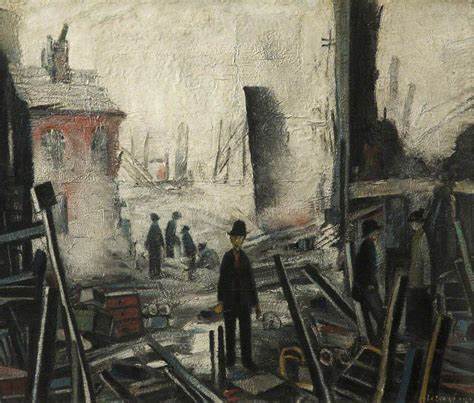
Blitzed Site, 1942

During the war Lowry was an official war artist and night time fire watcher on the rooftops of Manchester department stores. Although tired and feeling a deep sadness after his mother’s death, his painting took on a sharper focus.

Part of the city were in ruins after the Luftwaffe bombing raids ‘I remember being first down in the morning to sketch the bombed buildings before the smoke and grime had cleared’.

After the war ended success was around the corner for Lowry with exhibitions and paintings sold. Aged 65 he retired with a £200 a year pension as a rent collector from the Pall Mall property company, plus a move from the family home to a house 20 mile away in Mottram-in-Longdendale.

‘Heaven only knows why I came to this place. I absolutely loathe it! I hate the house I live in now but here I am and here I suppose I’ll end my days’.

Without any family Lowry lived alone in Mottram until his death in 1976, among all the doom and gloom of his life there was a shy smile of contentment that appeared now and then.

Gary Alikivi   January 2022

Notes: L.S. Lowry, The Art and the Artist, T.G. Rosenthal

L.S. Lowry, Michael Leber & Judith Sandling

Laing Art Gallery, Newcastle.

LOWRYS LOVE AFFAIR WITH THE NORTH EAST

Known for his paintings of industrial scenes, cotton mills, chimneys and ‘matchstalk men and dogs’, L.S. Lowry from 1960 until his death 16 years later, regularly left his home and travelled over the Pennines to sketch in Durham and Northumberland towns – continuing his great love affair with the North East coast.

He first landed in Berwick in 1932 after his father died of pneumonia aged 74, his doctor advised him to rest before taking on the responsibility of looking after his bedridden mother.

Lowry was devastated after her death in 1939 and with the worry and strain he considered a permanent move to Berwick ‘I’ve not cared much for anything since she died. I’ve nothing left and just don’t care’.

Lowry on Seaburn promenade about 1960. pic. L.S. Lowry estate.

Did he spend days or weeks at a time in the North East ? I’m not sure but after retirement as a rent collector he based himself near Sunderland and a room in the Seaburn Hotel quickly became a home-from-home for one of the UK’s most popular artists. ‘I sometimes escape to Sunderland. I get away from art and artists.’

Leaving the hotel he would walk along Roker seafront making pencil sketches on hotel notepaper and the back of old letters. Lowry was generous with his work and gave a number of his drawings to people he met by chance.

Newbiggin-by-the-sea 1966 oil on canvas. Private collection.

He would catch a train, taxi or a lift with friends up to Blyth, Berwick, Bamburgh or Newbiggin. Constantly drawn to the coast he would stare out to sea, and was inspired to use the sketches as a basis for oil paintings ’Don’t start thinking I was trying to put over some message, I just painted what I saw’.

Lowry was interested in St Peter’s Church in Monkwearmouth and seven mile away its twin monastery St Paul’s in Jarrow. Nearby in Bede Art Gallery he would meet Director, Vince Rea, and on a number of occasions enjoyed talking with amateur artists in the gallery.

St Paul’s, Jarrow 1962, pencil and ballpoint pen on paper. Private collection.

As mentioned in a previous post Lowry spent many hours at South Shields where the Tyne meets the North sea watching tugs, ships and fishing boats coming in. On the north side of the river is the notorious Black Midden rocks, before piers were built it was a graveyard for ships.

High up on the headland is Tynemouth Castle and Priory providing a dramatic backdrop. Lowry loved the scenery, the atmosphere, and above all, the sea.

He exhibited work at Newcastle’s Stone Gallery and became a friend of owner Mick Marshall. In later years he encouraged young artists to stay close to their roots rather than assume a move to London was necessary ‘No need to go to London to become a famous painter, you won’t find better lamp posts there’.

Sunderland Museum have an exhibition devoted to him and as a permanent reminder there is a Lowry Road and a new housing estate – Lowry Park, I think his mother would approve.

Gary Alikivi  December 2021

Notes:

L.S. Lowry by Michael Leber & Judith Sandling

L.S. Lowry in the North East published by Tyne & Wear Museums 2010.

SAND DANCING IN SHIELDS WITH L.S. LOWRY

‘I’m particularly fond of watching large ships coming in to the harbour, or being brought down river by tugs. I love the Tyne for that reason. It’s a wonderful river’.

From 1960 until his death in 1976 prolific artist L.S. Lowry frequently travelled from his home in Cheshire to the North East.

He used the Seaburn Hotel as a second home and a base to explore the area, but when his usual room at the front wasn’t available, he would occasionally book in at The Sea Hotel, South Shields.

Pic in the book L.S. Lowry in the North East.

The hotel is based on the seafront near the entrance to the river Tyne. He would sit for hours in the car park between the South Pier and the Groyne, sketching ships and tugs entering the river from the North Sea.

Lowry was fascinated by the relentless power of the sea and subject of one sketch was the Adelfotis cargo vessel who ran aground on the Herd Sands at South Shields in 1963. It’s exciting to think that Lowry was there sketching in the background.

Wreck at South Shields, pencil on paper 1963. The Lowry Collection, Salford.

Always Ready is a film I made in 2016 about the work of South Shields Volunteer Life Brigade, it features excellent archive footage of the Life Brigade’s brave rescue of the crew from the cargo ship. (Check the link below).

Lowry found a number of vantage points to watch the river Tyne – one was the Mill Dam where an episode was filmed of TV programme When the Boat Comes In, and today is where The Customs House theatre & arts centre stands.  

From there he walked ten minutes up River drive to the bridge which overlooked the shipyards, a different picture today as the yards have been replaced by housing. On many occasions he travelled on the Tyne ferry between North and South Shields.

Old House in South Shields, oil on canvas, 1965.

Lowry was drawn to buildings that were old, neglected or about to be pulled down, an oil from 1965 titled Old House in South Shields caught my eye as I recognised the building from a photo in South Shields Library archive. Sadly not there now, it was demolished and replaced by flats.

Old House in South Shields. Note the position of the windows and doorway.

The large house was set on The Lawe – a hill top over-looking the entrance to the Tyne. To get there Lowry would have walked from his favourite spot at the seafront up the steep bank.

With its strong connection to the sea, this area would have been attractive to Lowry, with the old Pilot steps and Watch House nearby and standing tall are two beacons – large brick pillars originally used as navigational aids for guiding ships into the river before the piers were built.

Derelict at the time Lowry was there, the house was originally a barracks for soldiers during the Napoleonic invasion scare, then used as a business man’s club and reading room by the gentlemen of the Lawe.

South Shields, oil on canvas, private collection, 1962.

At the back of Lawe House was a large Roman Remains Park – today it’s a partly re-constructed Roman Fort. Being drawn to old neglected buildings Lowry may have wandered over and sat sketching among the ruins – or was just knackered and needed to rest after walking up the steep hill.

Alikivi  December 2021

Notes:

L.S. Lowry by Michael Leber & Judith Sandling

L.S. Lowry in the North East published by Tyne & Wear Museums 2010.

Sunderland Echo

https://southtynesidehistory.co.uk

ALWAYS READY (26min) South Shields Volunteer Life Brigade 1866 – 2016. – YouTube