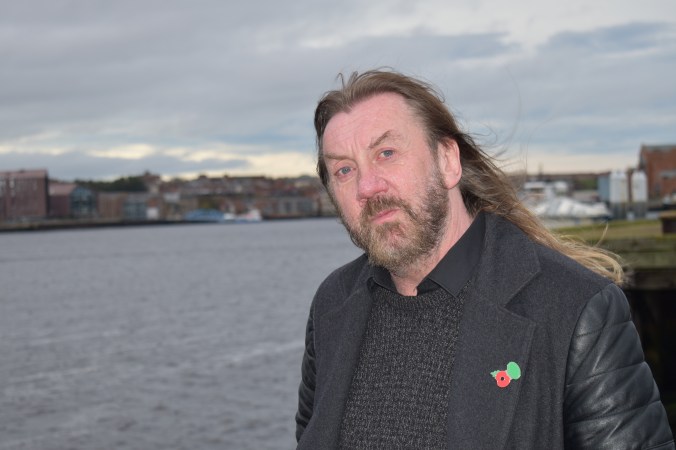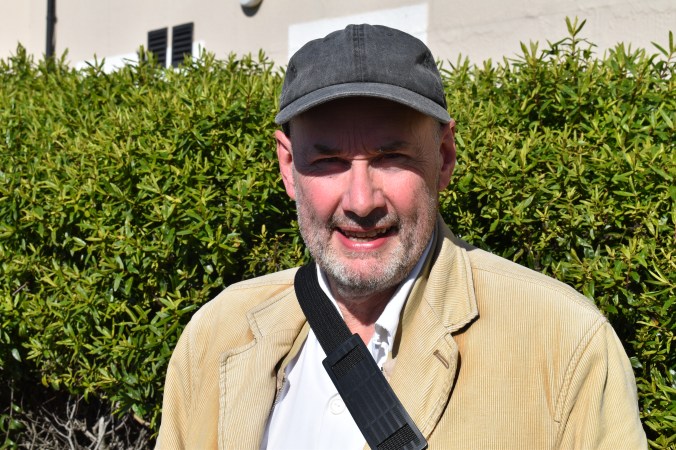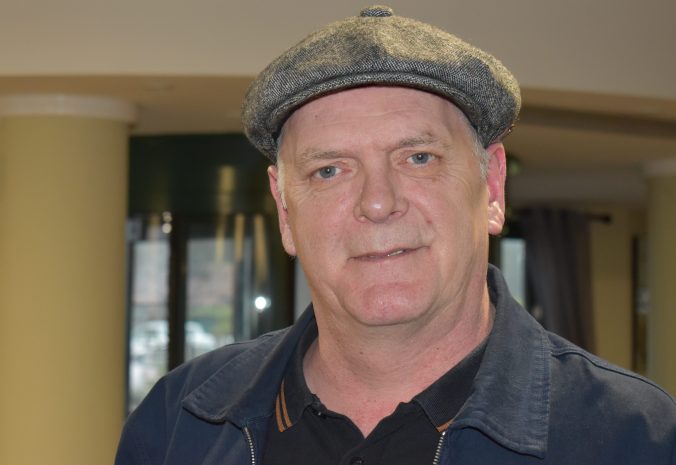
Singer/songwriter Terry Gorman Nov.25 pic. Alikivi
Now based in North Shields, Terry Gorman was born in Colne, Lancashire and has been playing guitar for over 50 years. Music has taken the 66 year old around the UK and Europe including Ireland, Amsterdam and Lanzarote.
I’ve done thousands of gigs maybe more than anyone you’ve met! said Terry after he had taken a short ferry journey over the river Tyne from North Shields to South Shields. We met in The Customs House for a cuppa and talked about music.
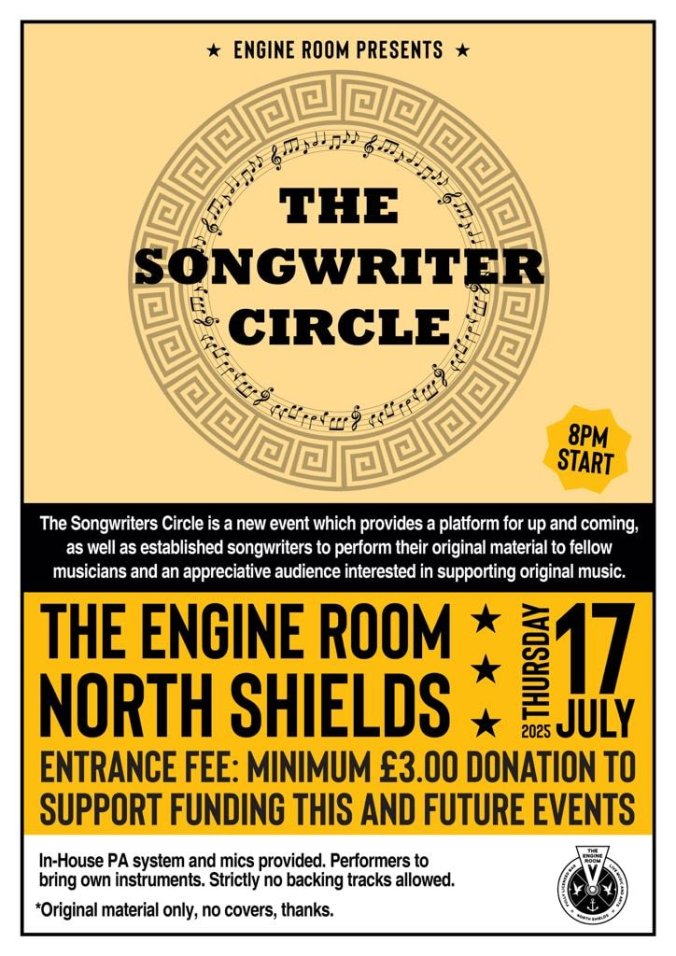
In North Shields there’s a nice music scene going on. We currently run a monthly ‘Songwriter Circle’ event every month in The Engine Room on Tanners Bank. It’s ran by myself and a few friends Steve McVay, Larry Page, Steve Rudd and Lyndon Phyliskirk.
You see live performance of singer songwriters all playing original songs. We encourage all levels of talent leading to paid gigs and possible festival spots. It’s been very successful so far and has been going since June said Terry.
Have I ever held down a proper job? I tried working 20 hours a week but found it hard working for idiotic managers. I thought I could earn enough money playing guitar and singing. I wasn’t interested in chasing fame.
I liked Ralph McTell, Alan Hull, James Taylor people like that telling a story. I watched Lindisfarne who were ordinary blokes, really down to earth but well known at the same time – that was for me. It was all about the music.
My introduction to music was my grandparents who had a piano in the front room. A lot of people did. I was around 10 year old when I picked up a guitar. It was a Hofner with a scratch plate. A Catholic priest who was a friend of the family knew I loved singing and writing poetry so he gave me his acoustic as he was off to the missions in Africa.
I lived in Brampton, Cumbria until I was 8 year old that’s where I saw the first singer who made an impact on me. It was Elvis when he sang on our black and white TV although I couldn’t make out the words or what he was singing about. The Beatles and Stones were good but I really liked storytellers, folk music where you could hear the words. I love lyrics.
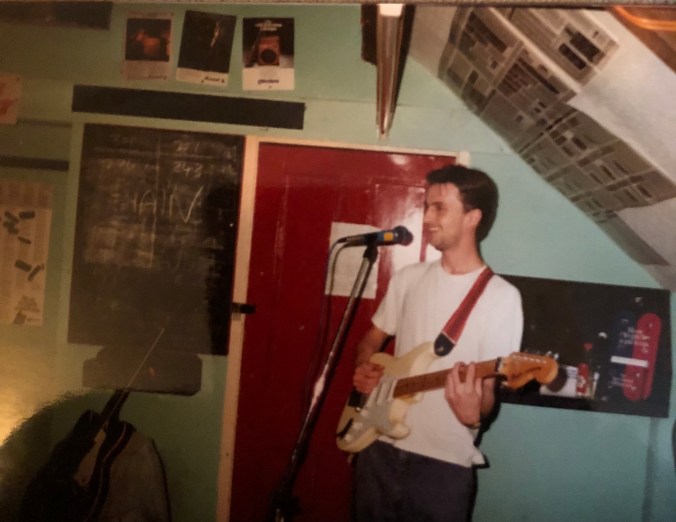
Then I heard Lindisfarne and Isaac Guillory who made a G chord sound interesting. My first public gig performing was as a teenager in Durham I think, I was nervous and pretended to be confident.
Terry supporting the Devan Allman band at Newcastle Cluny.
North East venues Terry has played over the years include Bents Park and Amphitheatre in South Shields, Sunderland Empire, in Newcastle he performed at the Live Theatre, Journal Tyne Theatre and The Cluny. He also played in Durham City Hall and Gala Theatre, Washington Arts Centre and Darlington Arts Centre.
I won a songwriting competition in 1990 and thought it would lead to bigger things. A lot of radio play came off the back of that and a slot at the Cambridge Folk Festival and a headline at Dungeon Ghylls Music Festival in Cumbria. Again, I thought that would lead to more so I kept plodding along.
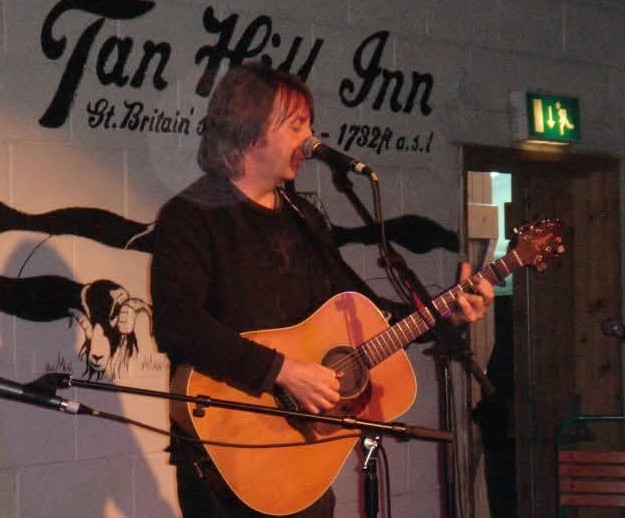
I played support to the Levellers at Tan Hill, Yorkshire, the highest venue in England. It went great playing my own songs, really grabbed the crowd by the scruff of the neck and went down well with an encore. The Levellers didn’t like that so I wasn’t asked back! Opening for Ralph McTell was a good gig and I’ve worked with Prelude a lot, I liked your interview with the singer Brian Hume earlier this year.
Terry supporting The Levellers at Tan Hill, Yorkshire.
I remember I played at a festival on the Isle of Bute, Scotland. I was the only one who wasn’t signed to a record company or connected to a famous band. There was Steve Daggett from Lindisfarne, Baz Warne out of the Stranglers, Martin Stephenson who was popular in the 1980s and others out of bands like The Pogues. I thought what am I doing here? I didn’t get signed but really, I never felt out of my depth.
I’ve wrote a few songs about getting knocked down and fighting back. When on stage I wouldn’t introduce the songs as if they were about depression or mental health. They are more about the power inside of you. It’s about dusting yourself off and going again.
I’ve recorded in Newcastle studios like The Cluny. Archie Brown from the Young Bucks was sound engineer. Then I went to Trinity Heights ran by Fred Purser. He was great, a really good lad, he used to be in North East bands Penetration and Tygers of Pan Tang.
What am I doing now? Well, it’s keeping the work rate up. In the last 12 months I released a single, ‘Only News Today,’ two albums and six professional music videos.
For 2026 I’ve got a folk album ready. One of the songs is ‘The Silent Shipyard’ about the closing of the shipyards and mines, all of the industry we have lost. I want a male voice choir on that one with a brass band and violins. Another song is ‘Beacon in the Dark’ about the whaling ships we had on the Tyne.
An idea floating about is a rock opera about John Lennon who was shot and killed in New York in 1980. In ‘Sgt Pepper Survived’ John Lennon gets shot and survives, lies in a coma for many years, wakes up and reveals his thoughts about world events today.
One scene is him sitting in a bar talking to Eric Clapton and Jimi Hendrix – yes, he lives as well. Lennon is also interviewed on stage where he is asked what he thinks about today’s shows like X-Factor, bands like Oasis and social media Spotify, Facebook and Instagram. I’m always thinking of these ideas.
If I have any advice to young musicians, it’s that if you enjoy your music, you’ve made it. If you don’t best just pack in and go do something else.
Sitting in the Littlehaven Hotel on a sunny autumn day in South Shields I’m listening to a familiar story which I’ve heard a lot since starting this site in 2017.
59 year old Durham musician Stuart Willis told me ‘I was in a band for a short space of time and got a taste of the music business. Although we weren’t a success commercially, we played gigs and got attention from record labels but didn’t quite get it over the line’. This is Stuart’s story.
(Stuart Willis outside Littlehaven Hotel, South Shields September 2025. pic. Alikivi).
Older generations of the family originally came down from Scotland to the North East to work in chemical factories and the mines. My father was first in the family to go to grammar school and became an accountant. He was the one who bucked the trend.
I remember my mam brought a classical guitar record into the house. I absolutely loved it. I was around 11 year old when I got a cheap guitar and music book for Christmas. I picked it up very quickly. There wasn’t anyone else in the family who played and the school I went to didn’t even do music lessons.
My first influences were The Jam and Specials the whole Two-Tone and post punk scene with bands like Television, Magazine and Gang of Four who I saw at the Gateshead Festival in 1982(The Police headlined with U2, The Beat and Lords of the New Church on the bill).
On the North East music scene was a band I liked called Neon. Tim Jones was in them and he went on to play fascinating music. I first played in a punk band in the local community centre when I was 16. Then I met Michael Salmon in 1985.
(Michael Salmon in rehearsal 1980s)
He was a drummer in Prefab Sprout with Paddy McAloon the main songwriter. When Michael left Prefab it was purely amicable. He wanted to realise his ambition of being a songwriter.
I was 18 playing in a duo in a pub in Witton Gilbert, County Durham. Michael was there that night. He liked what we were playing. I was playing classical guitar with Mark Wiles on bass.
Michael was a charismatic guy, excellent guitarist, singer and songwriter almost a teacher to me. Michael had a phenomenal record collection and I was introduced to all these amazing sounds.
We got in a drummer who was playing on the Durham scene and we called ourselves Swimmer Leon. Rehearsals were in Fowler’s Yard in Durham a lot of bands rehearsed there. We practised in there every week. The room itself almost became another member of the band. The sound was born in that room. We had about three albums worth of great songs that Michael had written.
The first place we recorded in was Consett Music project. We were all nervous. We recorded three tracks live and added a few overdubs. We took the songs out to play a few gigs.
(Swimmer Leon 1985)
We were mainly playing live around 1985 we got on well and had a cracking time. We supported a few big bands mainly playing University gigs. One night we supported the Ronnie Scott Quartet, he had a jazz group who had the club in London. Then there was ex Waterboy Karl Wallinger and World Party.
There were loads of times we met different musicians at these gigs who knew Michael from his Prefab days. There was the drummer from The Ruts who gave us some insightful advice about the record industry. He told us not be in a band because you can get lumbered with huge debts. Best to play for other people and get paid. Wise words.
For me the quality of any live work or recording we done was so important. Sometimes playing smaller gigs is a cacophony of sound but when we played the Students Union in Durham that gig was recorded straight off the mixing desk and we loved that sound.
After gigs other guitar players want to speak to you. That’s really great we appreciated all the attention but we thought where’s the women! We didn’t play ordinary chords so a few times they’d ask ‘At the beginning of that song what’s that chord’? and ‘Can I look at yer Gretch’. We were a quirky band and got a lot of press.
(Swimmer Leon 1986)
We also recorded in the Cluny Warehouse in Newcastle with John Silvester. Michael’s songs had jazzy elements too them, complicated chord progressions with complicated lyrics – it was like post punk jazz. With all the obscure influences we weren’t your run of the mill band. We were an arty band. We thought yeah, we’re great we’ll get a record deal!
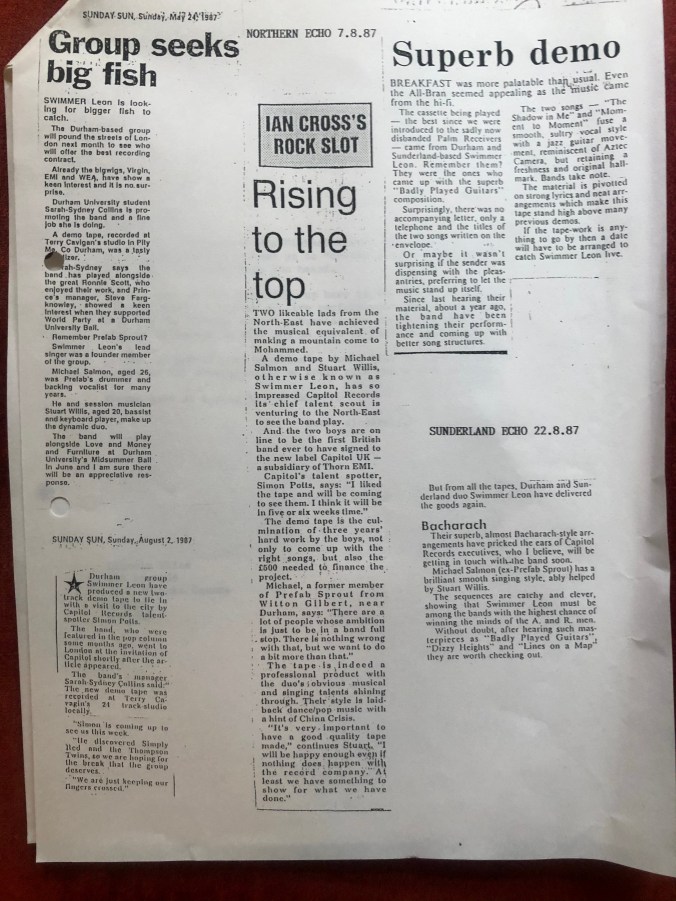
Did you know we ended up with a development deal with CBS? Thing was we never sent a tape to them, strangely Michael thought it should come to us! The only thing we did was send tapes with the band name and telephone number to the local press to get reviewed.
All the major labels had regional scouts who would pick up on the music section in the local papers then come to gigs and take it from there. This is what happened to us and led us to recording in Guardian studio in a little village called Pity Me in County Durham. It was a really good studio.
Guardian was two houses knocked together with a large console and a piano at the side. The owner Terry Gavaghan was very professional about the work and we got on well with him. He wanted to know the structure of the songs, so we played them through sitting near the console.
Michael played drums on that recording his first time since leaving the Sprouts. I played guitars, bass and all the keyboards. Terry recorded it separately with a guide vocal, guitar, drums, bass and put stuff on top. He produced both tracks which still sound good today.
I was working in Windows musical instruments and record shop in Newcastle so I put their telephone number on our demo tape. A local reporter wrote a review of the tape. At work I got a call telling me it was Simon Potts at Capital Records and he was phoning from L.A. Yes Los Angeles! He asked if we had many songs so I told him about three albums worth. ‘OK I’m sending someone up to see you.’
Research has found an interesting story about Simon. He was originally from Newcastle and lives in Hawaii now. With a great pedigree within the music industry he signed The Beat, Simply Red, Thompson Twins, Stray Cats, all selling in huge numbers having massive hits. Last band he reportedly signed were Radiohead.
This guy came up to Witton Gilbert from London and liked what he heard. We quickly arranged a showcase gig in Newcastle pub Slones. Actually, Brian Mawson, my manager at Windows music shop arranged the gig for us.
I loved working in Windows. It was a great place surrounded by people with aspirations to become musicians. There were new instruments on sale, latest records, local releases also a wall full of wanted musicians and bands advertising gigs – a great atmosphere. Darren Stewart who played bass for a few years in Swimmer Leon worked there. Dave Brewis also worked there he was in The Kane Gang.
The night of our gig London record label were having a promotion so a lot of artists were there and ended up at our gig. It was mad. Simon Potts from Capital flew in from L.A. We had Bananarama dancing down at the front, I think the Kane Gang were there. The head of A&R at Capital records told us ‘We’re giving you some money to record, just as long as you don’t go to Montserrat with George Martin!’ So, we went back to Pity Me and Terry Gavaghan!
We were in Guardian for three days and recorded three songs. By then GO Discs were interested in us, Warners were interested in us, Phonogram were interested in us. We were going up and down to London for meetings but we couldn’t get it over the line. It was just two kids really, me and Michael Salmon. The thing was we didn’t have a manager.
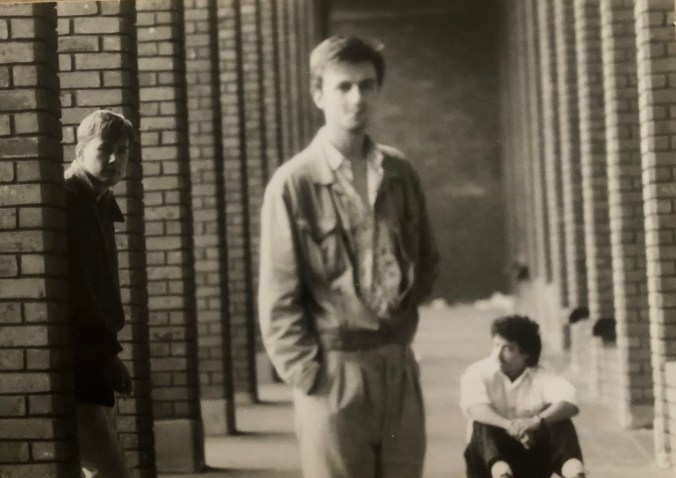
(Swimmer Leon promo shot 1987)
I remember going to CBS for a meeting. We were in a lift and there was Mick Jones from The Clash. I thought what’s going on here? From being a 16 year old punk playing gigs in Grindon Community Centre to meetings, gigs, studios and all this record label stuff without us really trying.
But life caught up with us. There was a time we thought is this gonna work? We didn’t want to move from Durham. I was from Sunderland so was Terence the drummer, Michael was from Witton Gilbert, Mark was living in Durham. The irony is when the band split up in 1989 we all moved.
I lived in London in the early 90s and worked in marketing for Virgin records. It wasn’t a glamorous lifestyle. I was living in a dingy flat in Blackheath. I saw the inner workings of the record business and couldn’t wait to leave. Richard Branson had sold the label by then to EMI and everybody was losing their jobs. I handed my car keys in went to Kings Cross train station and couldn’t wait to get back to Sunderland.
What am I doing now? My ambition was to study music properly so I done a music degree at Newcastle University from 1993-95 and ever since then I’ve been a teacher at Durham University in the music department, performer in classical guitar and specialise in historical music performance where I play the lute. I’ve also got a publishing deal for Schott, publishing guitar books.
Don’t want to come across like a moaning old bloke but young people today don’t understand what a band is. To get four or five like minded people trying to evolve a sound and make it into something special for you – that happened for us. We were lucky to be able to do what we done in the 80s. Today I still listen to all the bands I listened to back then. I’m still passionate about music.
Jamie in ‘Hadaway Harry’. Photo credit Von Fox Promotions
Meeting up with contributors I’ve asked the usual questions of who, where, what, why and when. For a band you might not listen to their music, but we still want to know if they were signed? What venues did they play? Did they release any records? And yes, some did appear on Top of the Pops and the legendary live music show The Tube broadcast from Newcastle.
However, occasionally I throw in a question that is relevant for working class people in a creative business. How many times do you hear working class voices on stage or TV?
Wisecrack Productions, a North East based theatre company, have produced a number of plays documenting working class history – helping in their own little way. Earlier this year I met up with actor Jamie Brown who has starred in some of the plays and asked him – how do you survive in the arts?
I work with two theatre companies. I’m company director for Theatre Space North East based in Sunderland. It’s about cultivating creativity within the community. We do theatre tours and plays in the parks through summer seasons.
Also work with 1623 Theatre Company. 1623 was the year the Shakespeare plays were published. The work centres around taking inspiration from Shakespeare and people’s everyday lives and making new work from it.
When I came back to the North East as a professional actor I was cast in The Machine Gunners at The Customs House, South Shields with an actor called Donald McBride who was a few decades my senior. He said with a twinkle in his eye and a wink ”You’ll be around a long time you will, just keep your head down and be nae botha”.
There is something in just doing your job, doing it well and knowing your role within that room. As a younger actor there is a lot to be said for that.
As I’ve plied my trade in the area for the best part of 20 years one of the things I tell students when I go to do talks at project days is there are two types of people in the world. There are those that plant seeds and there are those that just go around picking flowers.
There are two types of actor, some pick flowers while others like to get their hands dirty and plant seeds. I think you need to be doing both. But you’ve got no insurance that anything is gonna grow if you’re not the person starting it off. So, you’ve got to rely on yourself to put things in place and bring things to life.
There are some actors who want to travel the country or travel the world but for me it was about having a sense of place, a sense of community, bringing stories to life about that place, for the people from that place.
There’s a lot to be said about shared experience and shared history and values you have around you. Also, you can’t just wait for people to knock on your door, you’ve got to be doing stuff in the meantime.
There is or was a perception that when I came out of drama school someone would put out a casting call, you’d apply, go for an audition but it wouldn’t always happen. There’s a lot of in house casting, a lot of casting people who they know because it’s a high risk business and they want to take as few as risks as possible. They would prefer employing people who they can work with and who will do a good job. As a young up and coming artist sometimes that’s not you because you haven’t had the opportunity to work.
Being on the other side of the table I completely understand it but as a young actor seeing the same people get cast in the same sort of things it is frustrating and you think if that was only my chance. But don’t give up, chances do come and you’ve got to be ready to take them and not kicking up a fuss or overstepping your role.
An actor who has a creative brain has aspirations to direct, but are you the right director in that room and in that moment? Overstepping can be a bit fractious as well. You have to know your role within the room and its boundaries.
You might want to be an established theatre director in the future but if you are being employed as an actor by all means contribute your ideas when it is appropriate or when they are asked for, they are welcomed, but if you overstep you are going to realise very quickly you are not somebody who understands that particular hat you need to wear in that room. It can rub people up the wrong way.
What projects have I been working on? Well last year we done As You LikeIt outside Durham Cathedral on the green then St Peters Church, Sunderland and the Anglo Saxon farm at Bede’s World in Jarrow. This year we are planning more inside and out doors shows at places relevant to the story we are doing. We’re really excited about it.
I met up with Gateshead born Brian Hume and he talked about his life in music and what it means to him now.
‘Music dominates your life. It can often exclude things that you should pay attention to. Personal relationships can suffer cos it takes over your life. All you wanna do is make that sound, make that music, at first you don’t care if you make any money you just do it for the love of it.’
‘Unless you’re all on the same page there’s always tension within bands. You’re living permanently on the idea that it will all come to an end tomorrow. If you’re a guitar player you could break a finger or get arthritis. Somebody might leave and your left high and dry. You might have an argument and everybody falls out, it’s a miracle they stay together. But it can be exciting not knowing what’s round the corner’.
78 year old Brian looks back to when and where he was first inspired.
‘Me mother was very musical she’d knock out a tune on the piano and a four string guitar – all self taught, amazing. That’s where I learnt to pick out a few tunes. Lot of houses had a room where no one went very often, that’s where the piano was.’
It was in Grammer school where Brian first met up with Ian Vardy, forming a duo to sing in Tyneside pubs and clubs.
‘One of the first gigs we played was the 99 club in Barrow in Furness. After two songs the chairman came up to the front of the stage “You’re not really right for this kind of environment”. He was nice about it but, yeah, we were paid off.’
‘The Everley Brothers songs were the go to sound, when we heard their two part harmonies we thought we could do that. We used to play the Bridge Hotel in Newcastle. The folk scene then was vibrant, clubs were always packed out people were singing sea shanties then Paul Simon came along.’
‘Then we’d try writing our own stuff. Our publisher wanted us to be called The Cobblers. You could see the first review – what a load of! We settled on The Carnival – a very 60s hippy name. We lasted for one record – a Paul Simon song called The Big Bright Green Pleasure Machine. The review in the NME read ‘social comment at breakneck speed!
‘Ian and I were singing in our flat in Gateshead. We had just bought the Crosby, Stills and Nash album trying out different songs like Sweet Judy Blue Eyes. My wife, Irene was singing in the kitchen with the door open. She was singing the third harmony. We were totally surprised as we didn’t know she could sing. We turned and said ‘sing that again’. It wsan’t long before we went out to folk clubs and started going down really well.’
‘We lived in School Street, Gateshead and nearby at the end of the Tyne bridge is an old toll booth. A big granite structure. It had a lovely echo. Some nights we’d go in there and sing. One night a policeman came in. He thought we were up to no good. Very officious. But he stuck around listening to a few songs then as he was leaving said “Carry on”.
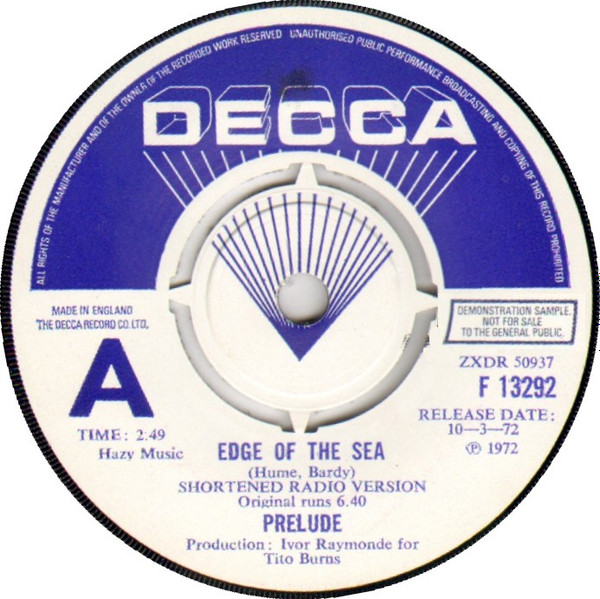
‘We got a deal with Decca Records and recorded a single The Edge of the Sea which had a strong hippy vibe to it. All during that period we were recording in Impulse Studio making demos courtesy of the owner, Dave Woods who soon after ‘discovered’ Alan Hull.’
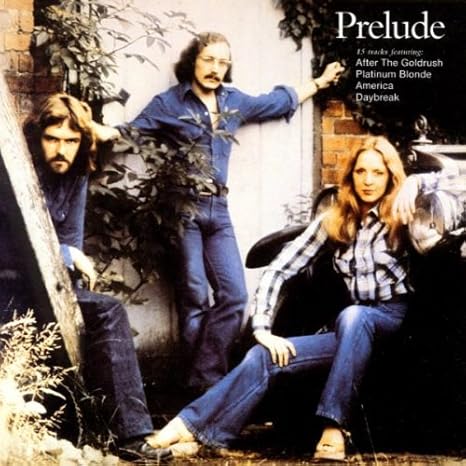
‘We were called Trilogy for a while but had to change it because there was an American band with the same name. It’s not easy choosing a name as any band will tell you. I came up with Prelude and that stuck. That was 1972.’
‘Three part harmonies had a big effect on musicians. A lot of bands had done it like The Lettermen and The Platters from way back, but Crosby, Stills and Nash were different, this was whack right in your face. Yeah, a big influence on us and many other bands including fellow Tyneside band, The Caffreys.’
‘Different members have come and gone but the band were Ian Vardy, me and my wife Irene. Ian and I got a song writing contract with ATV music which worked for us financially. We decided to put both our names on everything we wrote irrespective of who wrote it.’
‘We had a brilliant guitarist called Frank Usher. We parted company and and he went on to play guitar with Fish from Marillion as well as being a fine guitar maker.’
‘We played the North East club scene for a while and in between we’d do Durham College where we’d support artists like Gerry Rafferty, Mott the Hoople, Shaking Stevens and the Sunsets – that band were amazing. There was a hippy commune type band called Principle Edwards Magic Theatre who all dressed in white which looked cool so we copied that – it was a cheap uniform.’
‘Our manager George Carr got us a record deal with Pye who back then were dominated by Max Bygraves selling boatloads of Sing-a-Long-a-Max records. We were the token folk band, although we were never folk they just called us that cos we had acoustic guitars! You couldn’t say that Pye were part of the cultural vibe.’
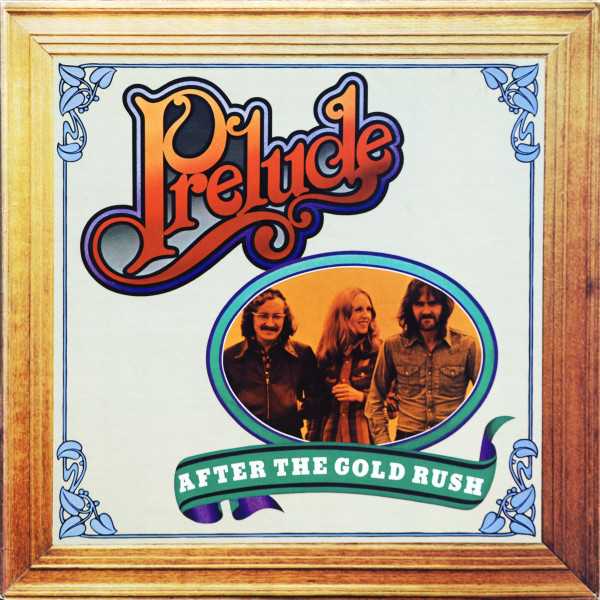
‘In 1973 we went to Rockfield Studio in Monmouth to record our first album How Long is Forever? produced by Fritz Fryer who was in a group called The Four Pennies. They had a number one with Juliet. A wistful ballad. On the final studio day Fritz asked if there was anything else we had. We used to sing a Neil Young song just for our own pleasure. That was After the Gold Rush.’
‘We recorded it and it sounded pretty good so we double tracked it. Overdubbed it fifteen times and it sounded massive. We never thought for a minute anyone would pick up on it. But John Peel at Capitol radio did. He got loads of calls ‘Who is this band?’ ‘Where can we buy the record’.
‘Next thing we know Pye put it out as a single and we’re on Top of the Pops. That was 1974. We ended up appearing twice the first time was with Marc Bolan. There was a succession of TV appearances. You had to do television because you are reaching a massive audience. We did a show for Tyne Tees called the Geordie Scene. We did the Basil Brush show for Pete’s sake.’
‘Most notably we went on the Vera Lynn show. During rehearsals she referred to us as The Prelude. Later she was walking towards us along the corridor when Ian stopped her and said “By the way Vera it’s not The Prelude it’s just Prelude”. Not skipping a beat she turned to him and said “If you don’t mind it’s not Vera…it’s Miss Lynn”.
Prelude were always based in their hometown Gateshead this meant constantly travelling up and down the M1 to television and recording studios in London.
‘It was every other week. We should have moved down there. But 1974 was a big year for us. We did the background vocals on Streets of London which was a hit for Ralph McTell. He asked us to go out on a UK tour with him.’
‘Ralph wanted to put our names on the record but our company wouldn’t allow it. For the next best thing Ralph put ‘background vocals by ‘The Gold Rushers’. It would have been a great advert for Prelude to have their name on the single but Pye were stupid on that.’
‘Ralph was so talented and generous to a fault. It was a big tour around the country then we played a venue where we’d seen Paul Simon, Crosby, Stills and Nash – here we were on the stage of the Royal Albert Hall. Amazing.’
‘After the McTell tour we went back to playing smaller venues but I’m getting the timeline mixed here because I remember before touring with Ralph was a UK tour with a singer and songwriter called Mike Chapman. He had a devoted following and used to live up the Tyne Valley in Haltwhistle.’
‘Then we went on the road with a great piano player called Peter Skellern who had a big hit with You’re a Lady. Meeting him he was rather quiet and reserved – he later became a priest. Then there was talk of America.’
‘This was 1976. What happened was Lindisfarne played the States. When Alun Hull came back, he’d tell us to get over there ‘Cos all ya’ hear is your bloody record ‘After the Gold Rush’ on the radio all the time.’
‘I always read the NME and Melody Maker, looking at American charts where like the Holy grail of music to me. To see Neil Sadaka, Beach Boys and bands like that we thought wouldn’t it be great to get in there. Our manager George Carr said ‘You’re in the American top 100’. We thought this is a dream come true.’ Then it went towards the top 20.’
‘We wanted to capitalise on the success but the record company didn’t want to pay for us to go to America they sent us to Amsterdam. We played the clubs and had a good time but we should have been in the States where we wouldn’t have even needed guitars as the song was acapella. We could have done the Johnny Carson show and the like and knocked that record up the charts.’
‘It wasn’t until 18 months later we got to the States. There were a few gigs on the West Coast in San Francisco where we supported Jerry Garcia in Berkley and met Nicky Hopkins who played piano on all Rolling Stones records. Then over to the East Coast and played The Bitter End in New York. When we came back to the UK Irene took a break when we had our second boy, Joel.’
‘Things moved on quickly until 1979 when our manager got us a deal with a new company called After Hours who were very forward thinking. We made an album at Abbey Road with The Hollies producer Ron Richards. His style was more towards lush strings and stuff like that. It didn’t really work for us.’
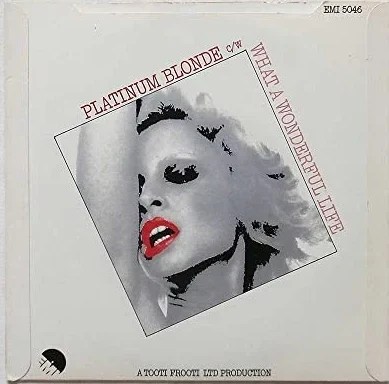
‘We also signed to EMI in 1980 and made an album in Portland Studios owned by Chas Chandler, charming fella. We had some great players on there but the only track that came out of it was Platinum Blonde. Our principal guys were Ian Green de facto producer of Platinum Blonde and Dave Wintour who was Neil Sadaka’s bass player. It was a minor hit which got to number 45 in the charts.’
‘We did a video for it in the old Battersea Power Station in London arranged by the head honcho at our record label, Richard Jacobowski. He was really on the ball, a hip guy. We crashed in his three storey flat in Hampstead and shared it with a band called The Regents who were very talented, like a proto-punk band. They had a hit song on Top of the Pops with Seventeen.’
‘For the single we did Top of the Pops and I remember on the same programme were Bay City Rollers. Platinum Blonde was good for us but afterwards we came back up North and played the folk clubs again.’
‘Ian Vardy was looking at doing something different so left the band around 1985 and became a social worker. We continued and got in ace guitar player Jim Hornsby who had been with a lot of country bands. Jim was very much in demand for session work.’
‘Country was labelled as redneck music then, it wasn’t cool – but it is now. Gram Parsons did a hell of a job making country hip. He influenced The Byrds and Keith Richards. Some clubs turned their nose up at country stuff but we had a great time doing clubs then. Unfortunately, as happens in bands Jim left.’
What did the new millennium bring?
‘From 2001 it was Irene, me and Chris Ringer who we brought in on bass and vocals and took Prelude on the circuit of country clubs and the whole scene. Through the years we have performed with countless numbers of musicians and loved every minute of it.’
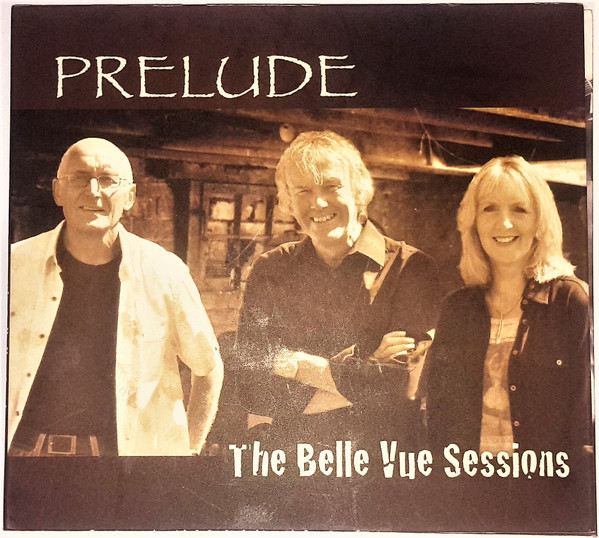
‘Our latest album The Belle Vue Sessions (2012) is all acoustic. It started in 2010 when Ian came round to our house, he had an appointment at his dentist round the corner. We got the guitars out, as you do,and it all went well so we asked him to do a gig with us. One turned into many.’
‘It was our manager Sue Brind who originally said ‘Why don’t you make a new Prelude album? We thought ‘why not?’ so we wrote some new songs and recorded them in Broadwater studios, Gateshead. Two lovely guys engineered, Gavin and Paul. We recruited Paul Hooper who was drummer for The Fortunes and again Chris Ringer played bass. We are very proud of the album.’
What does the future hold for Prelude?
‘We’re busy meeting with David Wood who used to run Impulse Studio in Wallsend. Impulse was a gateway for a lot of acts. He released a lot of Heavy Metal stuff like Venom and Raven from the North East, it was a big scene for him.’
‘David recently put out a CD box set of Alan Hull demos, he recognised Alan’s talent early on. Now he wants to do the same with us because he’s got a lot of tapes that have never seen the light of day. We’re looking to release something soon.’
After recalling a life spent with a multitude of musicians and the memories it triggers, Brian reveals that his ‘obsession’ holds a deeper meaning than just getting on stage and banging out a tune.
‘Your friends tend to be musicians and you share a common language which is almost secret amongst you. You know and experience things that nobody else has. There’s a bond between musicians which is friendship but sort of deeper. You know what the other is going to do, what they’re going to sing, – what they can and can’t do. Every successful band has to have that. It’s like brotherly love. It’s a wonderful feeling. It’s why people do music instead of opting for a ‘safer’ life.’
The last time I met David was in October 2019 he talked about starting up Impulse Studio in Wallsend and the legendary record label Neat.
David exclusively revealed how the success of North East comedian Bobby Thompson kick started the label which went on to spawn chief headbangers Raven, Venom, Blitzkreig and Tygers of Pan Tang who in turn were a huge influence on American bands Metallica, Anthrax and Megadeath. Read the interview here >>>
We’re in The Customs House, South Shields chatting over a pot of tea and David is in a talkative mood. We talk about North East music and how influential live music show The Tube was, and how it outclassed other music TV. I was lucky to be in the audience of the ground breaking show and being exposed to different genres of music that opened my eyes and ears.
I remember The Tube. I took Venom to the studio they weren’t playing they were there to highlight the type of music they were doing and getting their name out. On that occasion Madonna and Cliff Richards were also on recalls David.
I knew Geoff Wonfor and his wife Andrea who both worked there. I was surprised when it was shut down it was a beautiful studio. Andrea worked on the Lindisfarne film in our recording studio in Wallsend, that was for local news. Unfortunately, a lot of that footage and much more has been lost. Andrea done really well she ended up an executive at Channel Four.
However, my interest in music goes back to when I was 16 year old, a long time ago I’m nearly 80 now. I remember asking a bank manager for a loan to open a recording studio ‘A what?’ he replied. There was a drummer from Howdon came to see me, he looked around ‘Is this yer studio is it. A recording studio in Wallsend? Ya must be f***in’ mad’. That just gave me a push to get on with it.
Councils weren’t interested. Music wasn’t taught much in schools then. We had only one school from Blyth who had enough sense to come down and get the kids to know what it was all about. If you encourage people to find out about things it works on all parts of their life rather than trudging about.
At Impulse I ended up recording every Tom, Dick and Harry in the North East. There was John McCoy and his band. John ran the Kirklevington Country Club near Stockton on the A19. His brother was chef in the restaurant downstairs while bands played upstairs, the club booked in a lot of big acts including Jimi Hendrix.
I have the recording here that I did for them at Impulse in Wallsend, I was 21 we had just started the studio. This must be from 1967 or 68 the time they opened for Jimi Hendrix. They were some band, I tell ya the Real McCoy could really play.
John was a nice bloke, he must be in his 80’s now, he was a really good musician (I’m in touch with John his stories will be added to the site soon). I saw the band at Middlesbrough Town Hall that was always a good gig. I used to go to the Country Club because the food was amazing – charcoal grilled fillet steak in red wine sauce with all the trimmings …beautiful.
We had bands coming to Impulse like The Sect, Half Breed, John Miles – he was brilliant, a class act, a great songwriter, it’s very sad he’s not around now he was such a nice bloke. As a studio it was how basic can you get really but we were all trying to learn new things – that’s how you start.
All the stuff we were working on in the studio was original songs – folk, alternative, punk. We had The Carpettes and Penetration from down Durham way, and from your doorstep in South Shields who else but the Angelic Upstarts! Yes, they were a wild bunch! I didn’t do an LP with them at Neat records it was only the first single ‘Liddle Towers’ and ‘Police Oppression’.
Cover for Angelic Upstarts 7″ single ‘The Murder of Liddle Towers’.
I remember years later they were on Warner Brothers and I got a phone call ‘I need the tracks you did with them to put on an LP, can you mix them and send them to us’. In the archive I had the 16 or 24 track tape they had done so it was possible. ‘When do you need it for‘?‘Tomorrow morning’. I was up all night I couldn’t get the engineer so had to set it all up but got there in the end and they paid the bill for re-mixing.
But thinking back the Upstarts were fine lads I got on with them. I went to see them at the Guildhall in Newcastle and out comes the pigs head with a helmet on which they start kicking around the stage! I could see what they were doing. People like a bit of edge to things I see it now when you watch TV. A band wouldn’t be able to do that now – probably get them locked up.
There was a lot of musicians who really worked at it and built themselves up, there was even my milkman. Well, it was his son Gordon who used to work weekends to collect the money with his brother Phil. Thing was I used to frequent the Peoples’ Theatre in Newcastle’s Haymarket, this was around 1970, ‘71. My friend Andy Hudson talked about a Newcastle Big Band, around 20 of them – there was sax, drummer, trombone all sorts and of course the bass player was Gordon Sumner or Sting as he became.
They played all this American big band stuff there were some professional players in there like Ronnie Pearson the drummer. But sometimes they weren’t taken seriously as there were members who had day jobs or on the dole – it was a real mixed bag. Andy used to lead it and it was really good, the place would get packed out, a good atmosphere.
I used to go on a Sunday and had the idea to record them at Newcastle Playhouse. I took up a portable kit, a Revox quarter inch tape recorder and made a record which we put out, just a few hundred copies pressed. We sold them at the gigs, ironically the bands do things like that now to make money which is the only way for most bands.
Andy had good contacts and one of them was the airline to Holland. He fixed up a gig for the band to play for the Mayor of Amsterdam, it was some kind of twinning town or similar. We all got on the plane with the instruments for a 7.30am flight to Amsterdam it was only a short flight. When we got to the town hall we set up and had a bit practice. The Mayor turned up and we met him and he gave us a few drinks….within an hour we had a good skinful and were bladdered.
The flight back after the show was much later in the day so Andy suggested a walk around town. Not everyone went just the hardcore were left walking around. We eventually ended up in the red light district with its little bars and clubs. There was a few of us so we negotiated a cheaper admission into a live show.
Some lads still had their instruments with them as we sat down to watch the show. A couple got on stage and started doing their act and got well ‘at it’. One of our lads got his trombone out and waited for a certain movement by the act then played a short burst – it didn’t go down well. The lass on stage gave them ‘what fettle’. ‘We are professionals, this is our job’! The lads were thrown out by the manager. You’d have to ask Sting if he was there.
Andy then arranged a visit down to Pau in France near northern Spain. I went with my recording equipment and we took the gear in a transit van down through France. Part of the road was Le Mons race track it was so smooth you couldn’t hear the tyres. In all it took about two days.
We had a member of the band with us in the van and he had an accident in his underwear, so he chucked them into the back of the van. When you went abroad you used to have a carnet which was a document listing everything in the van to make sure you brought everything back. Everything was listed down to the name of the instrument, serial number, colour, value – you had to sit down and type out pages of it. Then apply for it, then get it stamped before you go anywhere.
We get to the border and the customs officer checked the carnet. ‘So, you are a band, open the doors and just step out the van’. We open the back doors the smell hits them. Holding their noses they quickly say ‘Hurry up, close them and be on your way’! Touring at its best.
We then went to Pau municipal casino. It was like a big echo chamber in there, I remember they played ‘Hey Jude’ with everyone singing along to the chorus. That was a good recording, we spliced it with a version from a Newcastle recording, it came out great.
We sorted out digs at the university because hotels would have been expensive for all the band and crew. As we tucked in to our first meal it was ‘What’s this? – it’s a bit tough’. It was cheval – we all had horse steak for the first time.
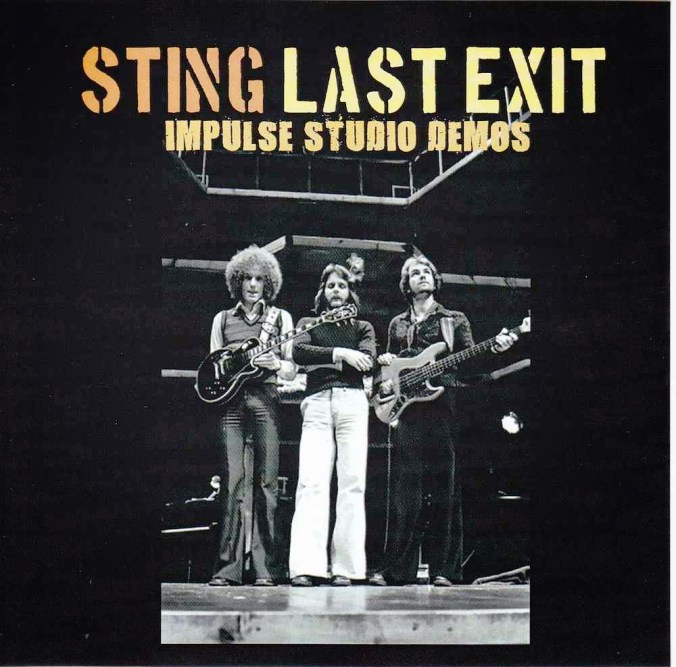
We crossed the border and travelled to San Sebastian, there was a jazz festival with big names on, Last Exit played in the town square, I don’t think the Big Band played there. I remember Sting played bass in Last Exit and other members of the Big Band were also in Last Exit.
When it was all over, we headed to Bilboa and jumped on the ferry. The crew found out about the band travelling over to England so invited them down to the Pig and Whistle bar in the bowels of the ship.
It was a great atmosphere with jam sessions going on, laughter, food and a few drinks – well more than a few drinks. At the end of the session as we were coming into Portsmouth, I went to the bar to pay but the steward said ‘no, nothing’. I insisted ‘Come on the boss told me to sort it out you’ve been really good, we’ve enjoyed ourselves, how much do we owe?’‘Ok’ he replied ‘One pound’. Wasn’t that a great gesture.
You know it was 2011 when the Borough Theatre in Wallsend where Impulse studio and Neat records were based was eventually demolished, it had been lying empty for years. Looking back, it was a great time but to be honest I just wanted to hoy the keys away. I worked there from 1966 to 2001. The years since then have passed very quickly.
After I sold Neat records I ran a Theatre group which went well until Covid destroyed the numbers involved so we are building it back up again. I kept a lot of the group together through ZOOM. I was also on the local club committee at Cullercoats on the North East coast here.
Now I’m writing short comedy scripts for a podcast. I’m trying to get them on local radio. Problem I have is some of its adult humour you might laugh your socks off but not sure you’ll hear it on the radio.
What else do I do? I’m also on a committee for wine tasting because I like my wine. That’s been going for 40 years. We also like our holidays, we have a few planned this year. We look after our Grandchildren and dogs and take them out to the country each weekend, yes you just get on with things don’t ya. I’ve also been involved with a few compilation CDs with the Cherry Red label, I’ll let you know all about that when we catch up next time.