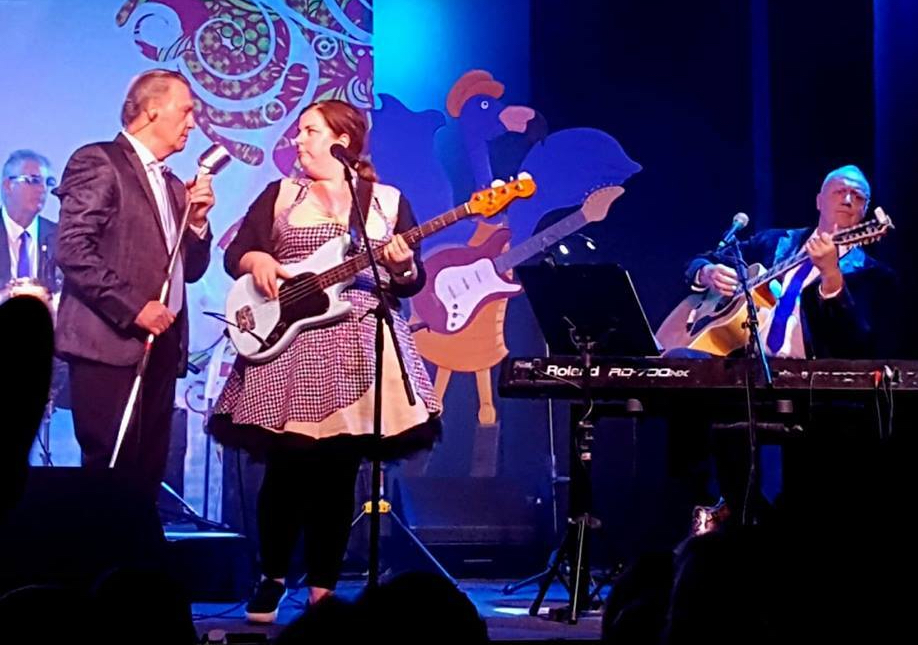
SOUL MAN – in conversation with North East actor Jamie Brown

Jamie Brown as Jack Ford - When The Boat Comes In

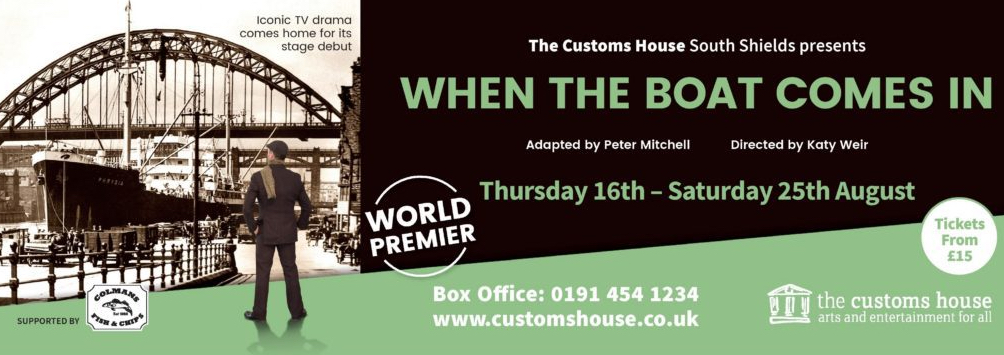
How did you get your latest role as Jack Ford in When the Boat Comes In ?

‘Ray Spencer, Director of The Customs House in South Shields had put it on my radar saying this is happening, why not put your hat in the ring? 

I had a good discussion with Katy Weir, who was lined up to direct the project – she had seen me in a few things I’d done, and we were fans of each other’s work. I suppose the rest is history.

It was a risk, there was pressure – I’d heard of the TV programme but didn’t fully anticipate how engaging and enigmatic James Bolam was when he played Jack Ford.

When I sat down and watched the show it was like, wow this is great, we’re getting working class values, women being the heads of households, supporting the miners on strike, shellshock after the war, homosexuality in the Armed Forces, all in the first episode! 

It blew my mind. The programme was made in the ’70s but his performance hasn’t aged, and the themes are still relevant today. There was a heap of expectation, but these are the types of roles that you want – the big, meaty characters – one’s that will hopefully be remembered’.

What is your background and how did you get into acting ?

‘I was born on the Leam Lane Estate in Gateshead in the mid ’80s. From 4 years old, I was stood in the street with a ball at my feet. The only religion was football, and we didn’t make ‘future plans’ – we made plans to escape.

You see, at the time, the area was seen as an underprivileged sort of place, but we were always happy and had just enough to make ends meet.

All the lads wanted to be footballers and make amounts of money they could only ever dream about, so every night after school was football.

Then at Roman Road Primary School, somebody noticed I could hold a tune in assembly.  After that, I was asked to sing in special assemblies, concerts, and by secondary school (Heworth Grange) I somehow ended up in the pantomime. It was my first ‘proper’ performance.

As well as the football, I was in the rugby team (fly-half) at the time, and the director thought it’d be a laugh to have me and the rest of the team prancing around as Robin Hood’s Merry Men...but then I somehow ended up as the dame!’

Did you watch anything on TV or did you attend any shows which inspired you ?

‘I loved the stories that were being told in films. There were certain actors, like Pacino and Day-Lewis, where you just went wow!  But they seemed to be on another planet – they didn’t seem accessible.

I never thought ‘I want to be that person,’ because they weren’t even on my radar of what was possible, you know.

Footballers looked more reachable – you could walk past St James’ Park – but Hollywood, and even London, seemed so far away. Also, because of the cost, and the culture of where I was brought up, it just didn’t seem open to someone like me. 

Music and sport were ways of expressing yourself – an escapism – and many kids were looking for that.  I was lucky, at my school we were all made to do Drama until at least Year 9.

Today, you are lucky to get to touch on it for a few lessons! But I got my G.C.S.E in Drama, A-levels in Performing Arts and, with the help of the Local Authority, I was able to afford a place at Bretton Hall in Yorkshire to train in Acting for three years’.
WTBCI-Web-Banner-1024x364 copy

What is it about drama that attracted you?

’I was fascinated at the thought of being able to step into other people’s shoes. Getting a chance to explore the decisions people make – to dive in and experience their lives as well as lead my own.

I once described it to a friend as being like collecting souls…we laughed, but it’s not as ridiculous as it first sounds really.

In my work to date, I have walked at least eight different people’s journeys through World War One, for example. It fascinates me. I quickly started to become attracted to what really matters, you know, deeper theatre over more commercial theatre – though there’s a place for both’.

What was your first professional job ?

‘I moved to London, and I got my first professional gig with Chapterhouse Theatre Company, who toured Shakespeare outdoors: castles, stately homes, National Trust sites – that sort of thing. It wasn’t well paid, but they provided accommodation, food, and travel, which is where a lot of money would go anyway I suppose.

It was a big adventure – I was a 21-year-old kid fresh out of drama school.  I hadn’t travelled much before, so I had nothing to lose.

The tour went around the UK, and we did several weeks in Ireland. It was great, everybody just mucked in. 

It was all out of the back of two vans: we threw the lights up, set the scenes, sorted the costumes, put the show on, then took it all back down the same night. Then, next night, another town.  

I remember one night, the rain was pouring down but six people still turned up to watch the show, with kagools on and brollies!

Very few shows were called off through bad weather. It was great, while some shows would have a few hundred in the audience others only a handful of people turned up – it was an education’.

How long did you stay in London ?

‘About six or seven years, though I was away touring throughout a lot of that. I kept pretty busy. One year I spent about ten months as Scooby-Doo!

Warner Brothers and A.E.G produced a feature-length episode to be performed live on stage, and we toured to around thirty #1 venues across the UK. Now, that sounds like cartoony fun, you know, but behind it all was pretty exhausting physical theatre.

It was also my first chance to perform on stages I’d dreamed of playing – Hammersmith Apollo, Sunderland Empire, Glasgow Kings, Edinburgh Playhouse, Birmingham Hippodrome, to name just a few.

I had an amazing time, and I gained financially from it – the glitz and glamour of the show was great, but I was hungry for more depth…I suppose you might call it artistic value’. 

How did you get involved with theatre at The Customs House in South Shields ?

‘Around 2010, I applied to audition for a part in The Machine Gunners musical. I was cast as Rudi, a German pilot, alongside a large cast of North-Eastern actors.

At the end of day one in rehearsal, veteran actor Donald McBride came up to me and said ‘You’ll do well, you.  Only piece of advice I can give you: just be nae bother. Be nae bother…and you’ll be reet’. 

This is a people business – I’ve been in it now for nearly 13 years and you can be as good or better than anybody else, but if you are a nightmare to work with nobody wants to know. Be nae bother…they were wise words’. 

2903226280

Jackie Fielding

I saw you in The Man and the Donkey at The Customs House, how did that come about ?

’Off the back of The Machine Gunners, I was cast in the Romeo and Juliet play staged in South Marine Park, South Shields. Director Jackie Fielding (RIP) saw it, and later she was looking for a leading man to play John Simpson Kirkpatrick in The Man and the Donkey.

Viktoria Kay, a fellow actor and good friend, may have also put me on her radar, but, either way I ended up in an audition. I knew immediately that I’d met a kindred spirit.

I loved Jackie – I still do – and I’ll will always be thankful that she took a leap of faith and handed me my first leading start at The Customs House, and in the North-East.

That show was special – it was one of the first times where I felt the heart, and depth, and regional significance, that I had been looking for. It took theatre and performance to a whole different level for me: it changed my outlook.

Shortly after that, I came home and resettled in the North-East on a permanent basis. I’ve never looked back’. 

Jamie Brown as John Simpson Kirkpatrick - The Man and The Donkey 1

What’s coming next ?

‘Well, When the Boat Comes In is having another run early next year (March) before the sequel premieres next September. People are constantly asking when Hadaway Harry is returning – and I’m told it’ll happen at some point, so we’ll see.

I’ve also started doing some directing over the past few years, and I’m currently involved in the development of something in the offing between local production company ION Productions and The Sir Bobby Robson Foundation for next year.

So, there are irons in fires – it’s an exciting time to be involved in theatre in the North-East’.

Interview by Gary Alikivi    October 2018.

Recommended:

Secrets & Lies, Baron Avro Manhattan documentary, 17th July 2018.

Westoe Rose, Amy Flagg documentary, 19th July 2018.

Zamyatin, Tyneside-Russia documentary, 7th August 2018.

Peter Mitchell, Life In a Northern Town, 9th August 2018.

Ray Spencer MBE, That’s Entertainment, 6th September 2018.

Why not check the ALIKIVI You Tube channel for more North East stories.

GUARDIAN RECORDING STUDIO #4 Metal on Tyne with Mythra, Saracen & Hollow Ground

Guardian Sound Studios were based in a small village called Pity Me in County Durham, North East UK.

There are various theories on the origin of the unusual name of the village – a desolate area, exposed and difficult to cultivate or a place where monks sang ‘Pity me o God’ as they were chased by the Vikings.

Whatever is behind the name it was what happened in two terraced houses over 30 years ago that is the focus of this blog. They were home to a well-known recording studio.

From 1978 some of the bands who recorded in Guardian were: Neon, Deep Freeze and Mike Mason & the Little People. A year later The Pirahna Brothers recorded a 7”.

1979 saw an E.P from Mythra and releases in 1980 from Hollow Ground, Hellanbach and a compilation album, Roksnax.

From 1982 to 85 bands including Red Alert, Toy Dolls, Prefab Sprout, Satan, Battleaxe and Spartan Warrior had made singles or albums. I caught up with a number of musicians who have memories of recording in Guardian… 

MYTHRA – Death and Destiny 7”EP 1979. Tracks: Death and Destiny, Killer, Overlord, UFO.

MYTHRA

JOHN ROACH (guitar): ‘With Mythra we saved some cash from our gig money with the intention of recording a demo tape to see if we could get any interest from record companies.

We checked out Impulse and Guardian studios and decided to go with Guardian. From what I remember we were offered actual vinyl records for our demos, rather than cassette tapes’. 

MAURICE BATES (bass):  ‘The first recording session was a new experience and opened our eyes to another part of being in a band. The owner Terry Gavaghan was more of an engineer than producer, he just said to us no slow songs lads keep it up this is good ! 

JOHN ROACH: ‘Guardian Studios was in a very small, terraced house in Durham. If you entered from the front street you ended up in the main recording room, with a very small isolation room for the drums.

Through a door you entered the control room which was actually the back of the house. Terry Gavaghan lived next door. He kept disappearing during the recording, going for something to eat or answer the phone to the big record companies!

MAURICE BATES: ‘We slept upstairs to the studio so we could get on with recording straight away in the morning. But as we were recording our own bit separately, everyone else had to leave the studio so we ended up in the pub! Happy days’.

JOHN ROACH: ‘We released the vinyl EP in November 1979. It is well documented that this was one of the very first records to be released of what would become known as the New Wave of British Heavy Metal’.

HOLLOW GROUND – Flying High 7’ 1980. Tracks: Flying High, Warlord, Rock On, Don’t Chase the Dragon.

HOLLOWGROUND

JOHN LOCKNEY (drums): ‘Because we had our own material, we were trying to get the money together to get in the studio and record it. It was so nerve wracking then cos we were green as grass. Doing overdubs and things something we had never done before’. 

MARTIN METCALF (guitar): ‘One night we went to a Raven gig at Newcastle Mayfair and Steve Thompson who was producing at NEAT studios then, pulled me to one side and said there’s a deal at NEAT if you want.

I liked the idea but told him we had just sorted something out with Guardian. We went down to the studio in Durham and recorded four tracks. It cost around £500’. 

JOHN LOCKNEY: ‘It really was great. I mean you’ve been brought up and bought singles. Now suddenly you’ve got one of your own. We were proud of the songs. We think they still stand up today and we went round selling them to local record shops. It’s still one of the proudest things I’ve ever done you know’.

MARTIN METCALF: ’I still remember the smell of the brown cork tiles in the studio and having to Sellotape the headphones on my head when recording as they kept falling off ! In hindsight maybe NEAT would have turned out better for us in the long run’.

JOHN LOCKNEY: ‘We went back to record another two for a compilation album Roksnax. The production and the way we played was better then.

We weren’t as green and went back again and done another four tracks for demos to flog around record companies. You can tell the difference how confident we were with more experience in the studio’.

SARACEN – Roksnax compilation LP 1980. Tracks: Speed of Sound, Fast Living, Feel Just the Same, Setting the World Ablaze.

roksnax

STEVE DAWSON (guitar): ‘We went into Guardian Studios where our friends, Mythra, had recorded their Death and Destiny EP.

Most of us were friends from school or through the scene, you know, being thrown together in this cauldron of New Wave of British Heavy Metal. We booked a day there and recorded three songs’. 

LOU TAYLOR (vocals): ‘I saw it as moving up to the next level and felt excited to be in the studio and something happening for Saracen. When we went down to the studio we first drove past the place and double backed on ourselves to find it.

It looked just like an ordinary house, later we found it was two terraced houses knocked into one’.

STEVE DAWSON: ‘After the initial recording session, we were invited to attend a meeting with the owner Terry Gavaghan who proposed an idea to us about putting our tracks on a compilation album. It was going to feature local bands Saracen, Samurai and Hollow Ground. So we decided yeah let’s go for it’. 

LOU TAYLOR: ‘I can’t remember much from the sessions apart from recording my vocals quite late at night and the drum booth being tiny. When Dave was behind the drums, we had to pass him refreshments every so often as it was such a tight squeeze to get in.

Terry was forever nipping out of the studio and coming back with a smelly cheese sandwich or something to eat, and he loved to talk about the resident ghost !

STEVE DAWSON: ‘The album was basically a ‘live’ performance in the studio with minimal overdubs. I spent my 21st birthday in that place…I’ll never get it back!’

LOU TAYLOR: ‘On reflection we might have been better off recording at NEAT, as they were more loud and proud, you know the whole crash, bang and don’t forget the wallop’.

If anyone has information or recorded in Guardian studios, it’ll be much appreciated if can you get in touch.

Interviews by Alikivi.

Recommended:

1980: The Year Metal was Forged on Tyneside, 11th February 2018.

ROKSNAX: Metal on the Menu, 9th March 2018.

GUARDIAN STUDIO STORIES

#1 TYGERS OF PAN TANG May 3rd 2018

#2 SPARTAN WARRIOR May 20th 2018

#3 STEVE THOMPSON (Songwriter & Producer) July 11th 2018

WILDFLOWER – making a documentary about George Orwell’s wife, South Shields born Eileen O’Shaughnessy

SEPT 25 1905 copy

In May 2012 I was in the Local Studies library when the librarian Anne Sharp showed me a South Shields birth certificate with the name Eileen O’Shaughnessy. She wasn’t sure but thought Eileen was the wife of author George Orwell. (real name Eric Arthur Blair).

A few weeks passed and I was doing some research in the library when I saw a display at the back of the room that Anne had put together. There were three large boards.

On the left was a birth certificate and census records. To the right was a photo of George Orwell, a newspaper cutting and a picture of a cemetery in Newcastle. This looks interesting.

In the middle was a large black and white photograph from the Spanish Civil War, featuring about a dozen men standing near sandbags and a machine gun.

Then I noticed a dark-haired woman crouching behind the gun. I looked closer. Is that Eileen ? I got goose bumps looking at the photo. What was it about the image? I needed to know more. 

close up copy

There wasn’t much information out there about O’Shaughnessy, just a few bits and pieces that had been mentioned in Orwell books.

So, there was extensive research over the next year or so. Phone calls, letters, checking and re-checking details. Interviews on camera were arranged around the country – one led to another and to another.

It felt like being gently nudged along to find more about her. Weeks and months passed, and I never come across any obstacles. Everybody who was asked wanted to be part of the documentary and were only too happy to help.

Then I put the research to one side as I was also working on another couple of projects, this helps in the film making process. Spending time on something else gives you space away from a project and then you can return to it with fresh eyes and ears.

Autumn 2013 came, and DVD sales of previous documentaries funded more time to start piecing together the film about Eileen.  

Who knew that a library visit in 2012 would take me and my camera, from South Shields to Sunderland, Newcastle, Stockton, Warwickshire, Oxford, London and finally Barcelona.

I remember with the camera in my backpack walking through Barcelona Airport thinking ‘how did I get here?’ It seemed so effortless, the whole process just fell into place.

On 26th March 2014 I screened for the first time the documentary about Eileen O’Shaughnessy in the theatre of South Shields Central Library where I first met Eileen in that photograph taken during the Spanish Civil War.

The Orwell Society, and Eileen’s son Richard Blair, who is interviewed in the documentary, came up North to South Shields to watch the film. The Society also arranged a screening of the film on the Isle of Jura where George Orwell wrote his masterpiece ‘1984’.

Gary Alikivi    June 2018.

Recommended:

Secrets & Lies, Baron Avro Manhattan documentary, 17th July 2018.

Westoe Rose, Amy Flagg documentary, 19th July 2018.

Zamyatin, Tyneside-Russia documentary, 7th August 2018.

Why not check the ALIKIVI You Tube channel for more North East stories.

BOBBIES, BOOKIES & BEER – author John Orton talks about the stories of police in 1920’s South Shields

FSScover

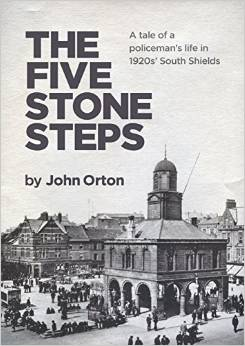
In times of hardship when people had next to nothing, they were forced into a world of low-level crime. Burglary, prostitution and gambling all appear in ‘The Five Stone Steps’ a fictionalised account of life in South Shields Police Force during the 1920’s.

I asked author John Orton, who is originally from South Shields but now lives near Bristol, where did he find the inspiration and how long did it take to write the book ?

’A long time, Gary. After I’d retired from work due to stress I’d started writing as a hobby – just to keep myself occupied, really. I’d taken up family history and become fascinated by the story of my forbears who’d arrived in Shields in the 1890s.

My Grandmother, a real Geordie Hinny, used to come round to our house every afternoon for tea – once she started talking, she never stopped.

Her family had come from Norfolk and landed in Maxwell Street. I had an idea of writing a whodunit set in Shields in the 1900s. I needed some info about the police in Shields and thought that my very good friend, Tommy Gordon might be able to help.

His father had served in Shields Police and Tommy told me some of his stories.

Tommy rummaged around on his bookshelves and pulled out a dog-eared manuscript of his dad’s ‘Memories’ of his days in the Shields Police. Tommy’s Dad, Jock, had gone to live with his son when he was too old to look after himself.

He was depressed and at a loose end. Tommy and his wife Marilyn suggested that as he was always telling old stories then why didn’t he write them down as ‘memoirs’.

So, he did. Of an evening, sitting at a table by his electric fire, a glass of whisky at hand, he’d write down his reminiscences’.

THOMASRENTONGORDON

Thomas Renton Gordon.

‘When I started reading them, I could almost hear the gravelly voice, and smell the whisky fumes, as I discovered the lost world of 1920s Shields – pubs galore where Bobbies got their pint, bookies and runners on every street corner, working girls who used to hang out at the Market Place, and so on.

It was the same world that my grandmother used to talk about – apart from the girls !

At that time, I had no idea of writing a book but thought that this very important piece of social history ought to be preserved. The ‘Memories’ themselves were just that – a couple of pages a night, not in any particular order, just what came into Jock’s mind.

I set about transcribing them, putting the stories into some sort of order, cutting out the duplication, and doing some very light-handed editing’.

With attention to detail of real locations in Holborn, Laygate and Tyne Dock. How much research did you do ?

’Looking back, the research probably took a lot more time than the actual writing. In transcribing Jock’s handwritten memoirs, I would sometimes have difficulty in reading proper names, like streets and pubs.

I’d bought some old 1900’s Maps of Shields to help with my family history research and these were often my first source of reference.

I was born in 1949 at Wayside on the Marsden council estate and knew the general layout of the old parts of Shields on the Lawe Top, Laygate and Tyne Dock before the slum clearances of the 60s and 70s.

The very old parts of Shields along the riverside, Holborn, Wapping Street and Shadwell Street had all been demolished in the thirties.

Looking at a map did not give you much of a feel for these old places and that’s where old photographs came in. When I last visited Shields some fifteen years ago, I went to the local history library where they have thousands of old photos and postcards.

This invaluable archive is now available online at 

https://southtynesidehistory.co.uk  and was one of the major tools in my research’.

Holborn

Holborn, South Shields.

‘Census returns for 1911 and the Kelly Street Directories, were all useful in getting an idea of life in the cobbled terraced streets of Shields. I would research each story as I went along.

I am not a writer who plots everything out in advance from beginning to end. I start with an idea and then develop this as the story progresses through the eyes of the characters. What would he or she have done next ?

This sometimes caused a problem when I needed to check something. For example, were Woodbine tabs smoked in the 1920s ? (I learned the hard way never to make assumptions.)

In checking that out I might come cross something else which would mean that I needed to make some changes in an earlier chapter’. 

How much of the book is fact or fiction ?

I met Tommy’s father once. Just a quick hello and goodbye although he left a distinct impression. He still spoke with a Glaswegian accent and was quite a character.

But when I started writing the book with him as the narrator, I realised how little I knew about him. So, I decided to give him a fictional name mainly to give me free rein to develop his character as each chapter progressed.

For the same reasons I gave all characters in the book fictional names apart from one or two who only make the odd appearance. Some of them were criminals or shady characters who might still have family in the town.

The fictional Doyle family, for example, was based on a real Shields family of villains.

The father was a pimp, the mother a prostitute, the older brother and sister were sent down for incest and the youngest lad ran away to join the Foreign Legion. This is very much the pattern of the book’. 

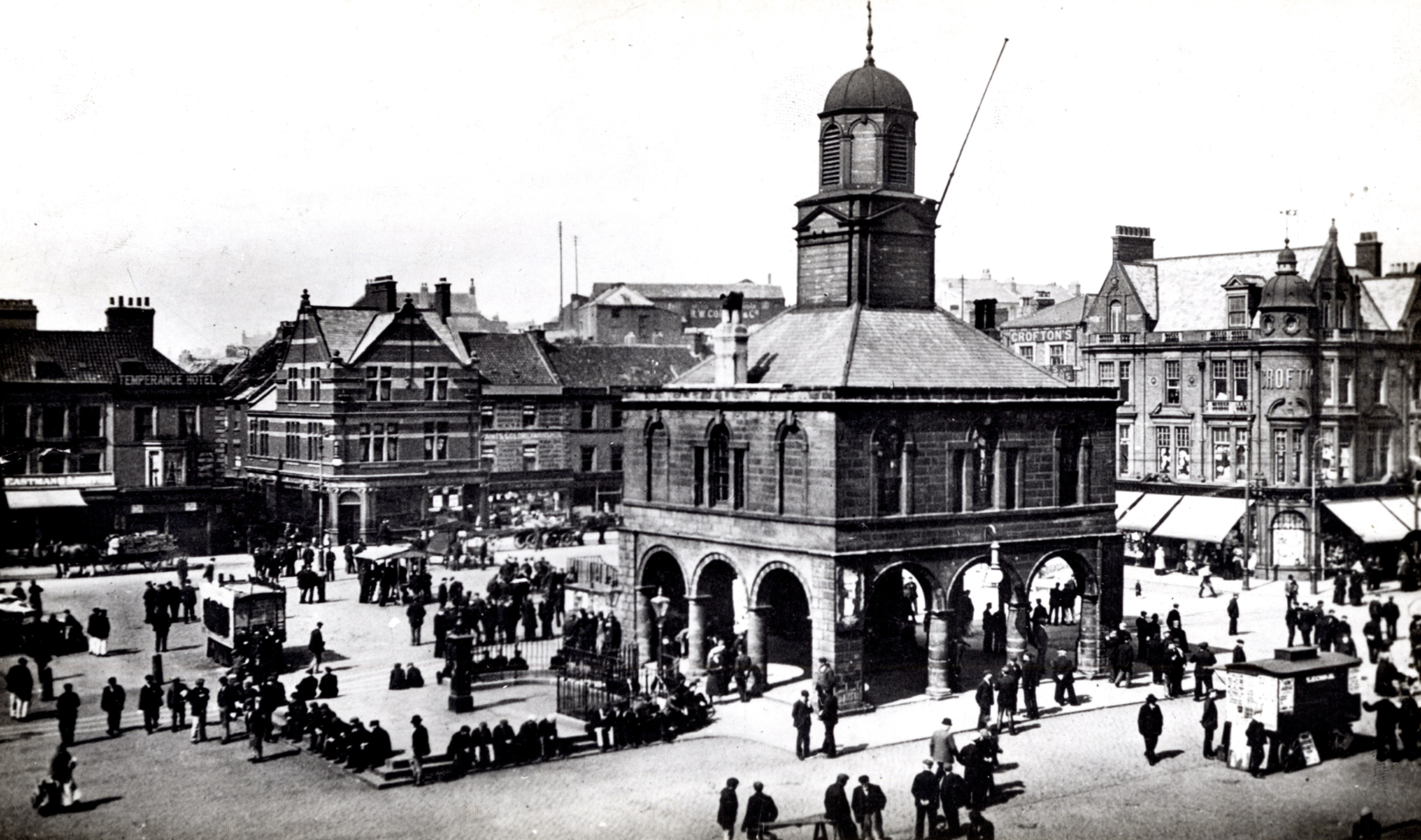
market-place2.jpg

Market Place, South Shields.

Are the stories based on real events ?

‘All the stories are based on events that really happened, but I have created some characters, and changed some story lines to carry the tale along.

I always strove to ensure that what the narrator was saying sounded authentic. For example, in a Pair of Boots young Billy Ruffle is caught up in a hunger march from Jarrow to Shields.

He steals a pair of boots, he is chased and caught by the mounted officer and marched back to the station, he is birched, finally he is encouraged by the Station Sergeant to take up boxing.

In the ‘Memoires’ there was a hunger march in Shields and the Police charged the demonstrators with truncheons drawn.

On another occasion a thief was caught by the mounted Polis who threatened to take his horse up the back stairs and through the flat where the culprit was hiding unless he was handed over.

Jock Gordon did witness the last birching in Shields, and boxing was a popular sport. The character who I call Billy Ruffle was the thread that brought all these events together into one chapter’.

Did any of Jock’s stories stand out ?

‘One of the tales that caught my eye centred on the fact that around the Market Place, publicans would leave out a little pot of whisky by the back door for the bobby on night shift.

It had been known for a young bobby not on a whisky beat, to ‘poach’ a pot – the worst trick in the book, according to Jock, and one that would have repercussions.

I thought that with a bit of work it could become a good little story, and I wrote A Nip of Whisky.

It was then that the idea of The Five Stone Steps was born. Each story was free standing, but together they told the story of Tom ‘Jock’ Gordon’s early years in the Police in the 1920s.

The title ‘The Five Stone Steps’ was a no brainer – it was a legend in Shields that whenever a culprit came up in court with black eyes, broken bones, the explanation given was that he’d accidentally tripped down the five stone steps that led into the building.

Each story presented its own problems. Jock only ever gave the bare minimum, and I would have to fully research the background, and create the odd character, or story line to fill out a tale.

It took well over a year before the first draft was finished. It then went through several major rewrites before I had a version I was happy with’.

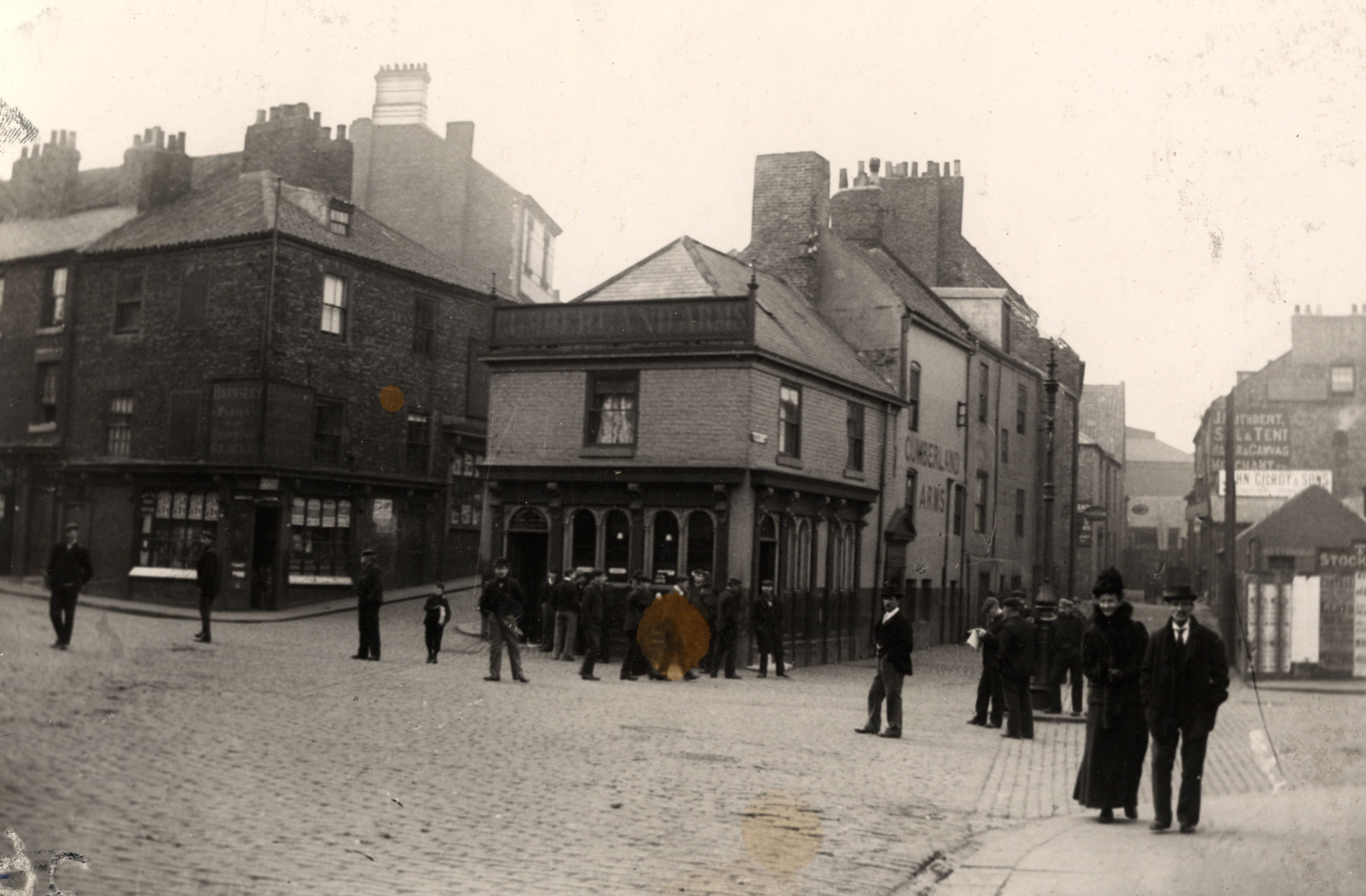
Mill Dam

Mill Dam, South Shields

How much do the stories reflect the times ?

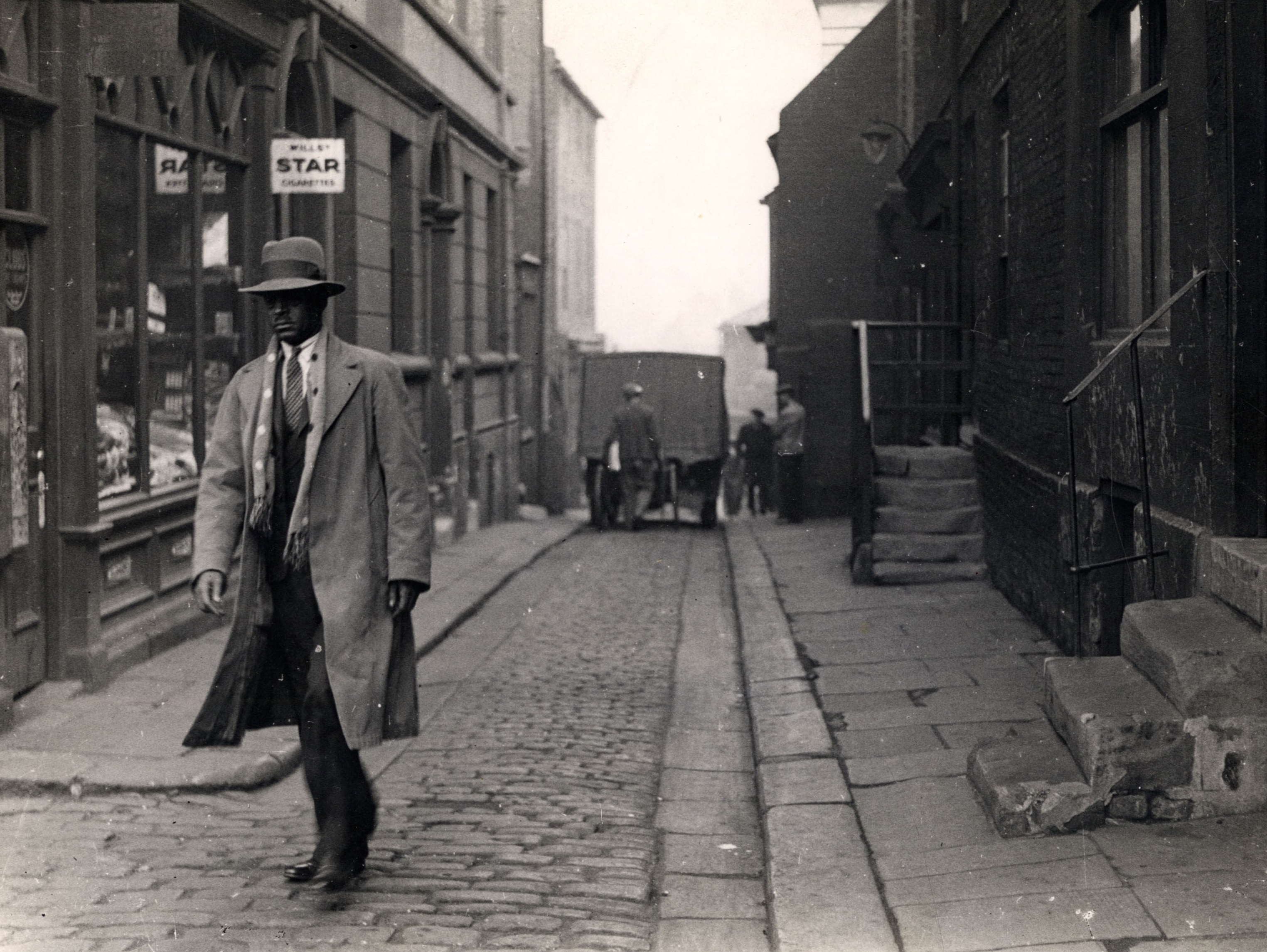
’The old photos are black and white – as well as helping the reader to visualize Shields as it then was, this also gives a period feel.  Life was a lot harder in those days and so were the people.

They would have a laugh and although they would suffer when times were hard, they just got on with it. Jock Gordon had served three years in the trenches and survived.

He would have seen needless death, and the agonies of the wounded. He told things as they happened, without any pathos or melodrama.

Ordinary working people in Shields in the twenties and thirties lived lives that we would find extremely harsh if not unbearable. A pitman would work an eight-hour shift in the pitch dark with only his lamp, or his pit pony for company.

His wages would not always feed his wife and children. Most families lived in two rooms in a flat with a cold tap in the yard and a netty they shared with the neighbours.

Street betting was rife, as punters dreamt of the big win and men would spend their wages in the boozers to forget their troubles. Families and neighbours stuck together and shared good times and bad.

The stories in the Five Stone Steps do not deliberately dwell on the light and shade of life 100 years ago, they merely reflect it’.

There is a story of a fire in a pub near the station where the police manage to ‘rescue’ a large quantity of alcohol… it found its way back to the station. Did you find yourself laughing along with the stories and characters ? 

‘Yes, and I still do when I re-read a chapter. The ability to laugh at someone else’s misfortune is a natural way of lightening the load of everyday life. Like Inspector Mullins, a stickler for the correct writing up of incidents in a PC’s notebook, is on the lookout for mistakes. 

Ruth Lunn was editor and proof-reader. She rung me up after a few days of receiving the manuscript and said that she was enjoying the book and had disturbed the others in the office with her laughing.

In my serious voice I told her off: ‘You’re not allowed to laugh when you’re proof reading, Ruth – you have to take it seriously’ and then laughed with her’. 

Were there many stories that you left out of the book ?

’Jock Gordon was a Scot who joined the Shields force after the Great War and his take on Shields is that of a newcomer to the town. His memories include first impressions not only of the Police but also of the town itself.

He reflects a lot on his early days and the bulk of his early stories appear in The Five Stone Steps – covering the period from 1919 to about 1924.

He did of course continue his accounts through the twenties and thirties and made a brief mention of the War, but it was clear to me that his fondest memories were of his early days on the beat’.

What else you been working on ?

‘After I’d completed the first version of The Five Stone Steps several years passed before I took the plunge and published the book. During this time, I put my hand to writing a sequel using Jock’s later stories.

I was never really happy with it and it went on the back burner until after I’d published The Five Stone Steps and then Blitz PAMs – the blitz on Shields through the eyes of a Police Auxiliary Messenger.

I then took it up again, but it took a long time, with several complete re-writes, before the sequel evolved into A Chill Wind off the Tyne which is both a prequel and a sequel, completes the stories begun in The Five Stone Steps, but as seen through the eyes of characters from the book, or new ones that appear for the first time’.

self

John Orton

Where is the book available to buy ?

The Five Stone Steps on UK Book Publishing is available on paper back and Kindle at Amazon. It can also be obtained at the Book Depository which gives free postage worldwide on all sales.

You can order a copy from The Word. It’s also available for loan at The Word and other libraries in South Shields.

The two other books that are companions to the Five Stone Steps, Blitz Pams and my latest A Chill Wind of the Tyne are also on UK Book Publishing’. 

All images courtesy of South Tyneside Libraries.

Interview by Gary Alikivi    September 2018.

Recommended:

Secrets & Lies, Baron Avro Manhattan documentary, 17th July 2018.

Westoe Rose, Amy Flagg documentary, 19th July 2018.

Zamyatin, Tyneside-Russia documentary, 7th August 2018.

Peter Mitchell, Life In a Northern Town, 9th August 2018.

Ray Spencer MBE, That’s Entertainment 6th September 2018.

Why not check the ALIKIVI You Tube channel for more North East stories.

THE WEARSIDE KNIGHT – in conversation with North East entertainer Alan Knights

38197362_2177287099220215_4133692420791468032_o

What bands did you see when you were younger ?

‘Used to go to the Newcastle Mayfair on Tuesdays that was for local and up and coming bands. Friday nights was big bands like Deep Purple, T.Rex, Strawbs that’s where I fell in love with Sonja Kristina from Curved Air. Also saw Rory Gallagher there. That’s when I met him.

My uncle was a baker, and he had a young lad working for him and to subsidise his apprentice wages he worked as a doorman at The Mayfair.

Well one night Taste were on and the young lad who worked at my uncles bakers was working that night. He let us in the dressing room and there was Gallagher at the table full of dark drinks, rum or sherry who knows and the drummer was hitting the wall with his sticks.

I said ‘Great to meet you Rory’ shaking his hand. ‘What did you get your haircut for ?’ He said ‘It gets in my soup’ haha.

But it was sad that time when I was flying back from holiday and the paper just said ‘Rock Star Dies’. That was it you know. Aww he was a great player’. 

Can you remember your first guitar ?

‘Aye it was a cricket bat with a fishing line on. I never used to do anything right at school. I went away youth hosteling and the teacher taught me how to play the guitar.

It was the first time I was praised ‘Well done Alan’ instead of ‘Knights you can’t do that’ you know. Music put me on the right rail.

I started work at the Ministry in Longbenton in ’68. We used to sort out pension books, family allowance, national insurance things like that. It was a big complex.

A lot of musicians and bands worked there, you had Alan Hull from Lindisfarne and members of Raw Spirit. Dave Black worked there. He went to London and had an album with his band Kestrel it was called The Acrobat. Great stuff prog music you know, fantastic.

But at work I’d go round telling everybody I played guitar. This kid sold us a beat-up acoustic which only had four strings on it and that’s how I learnt to play bass. All self-taught.

I have a few guitars now but my pride and joy is my Rickenbacker 1973 Fireglow. I paid £275 quid for it, it’s got a bit buckle rash on the back but it’s worth a bit more now’. 

When were your first gigs and what venues did you play ?

‘In the early days I was nervous as anything playing pubs and folk gigs. Once was playing the mandolin in this folk club and couldn’t feel the plec in my fingers. So nervous.

But I loved the folky thing starting out in Washington. But when the miners’ strike happened, we couldn’t play the pit places, so we reconstructed our set for the pubs.

A bit of Irish and pop stuff that worked really well. That was with Beggars Bog. The name is from a farm up Corbridge and Hexham way’.

Have you recorded any of your music ?

‘I was playing solo and heard that fellow North East musician Derek Miller was doing backing tracks. We met up and I felt as if I’d known him all my life. So we put a duo together and went out as El Vivo, recorded a few albums and done a lot of stuff on the radio where presenter Paddy McDee was a great supporter of ours.

Then a few more musicians got together, and we ended up a five piece. We wrote a lot of original stuff with harmonies, synth and a few traditional songs.

I went to the studio one day and they had something playing I said I can see ships you know and started singing  Here’s A Tender Coming’. They said what’s that ? It’s an old folk song from South Shields. So we added a middle 8, few harmonies and my daughter played a clarinet on it.

We had a song called The Man that Saved the Day it got a lot of radio play. It’s about a guy I worked with on a ship that caught fire at Swan Hunters shipyard.

As a young ‘un I was a plumbers mate and thankfully got off the ship in time. The guy who the song is about got a lot of lads out of the engine room’.

Have you any stories from your time gigging ?

’In the ’80s we put a band together called Beggars Bog with Davey Hiles on guitar, Davey Hutchinson on guitar, me on my Rickenbacker bass which I’ve still got.

We done this documentary something to do with Nissan and Frank Wappat on the radio. His recording studio was in a church in North Shields. So there was four of us in the pulpit with cans of McEwans export.

We done the show and at the end of it he said ‘it’s a bit late to go for a pint now I’ll take you to my private bar’ which was called the Bunker.

I‘m a tall lad so I thought it would be a low ceiling sort of place but it wasn’t. It was a room all about the Germans during the war with these orange lights on and listening to Hits from the Blitz. We looked at each other and said this ain’t for us haha.

We ended up on the telly a show called Bog on the Tyne, on Northern Life presented by Paul Frost. But that band folded and I ended up in the Dynamite Twins. We all had club names – I was Kurt Fontaine, we had Tristram St Clair, Jason Saint Maritz and we had the names stuck on our mic stands. We couldn’t do it for laughing’. 

IMG_5270

Alan with guitarist Keith Satchfield.

What’s the pub and club scene like now ?

‘Well you got people going out for buttons you know, the Ed Sheeran types. They are keen. But it’s the money thing, if you can get the bass down on a backing track, the drums that’s two people they’re not paying for. 

We just got back from Corfu and a lot of the acts just have a laptop. Never saw one guitar.

But I love working live. Played at a Buskers Night with a fantastic drummer Mick Nevins and former Fist guitarist Keith Satchfield we’re called The Labour Exchange.

I’ve also teamed up with a guy called Leonard Brown he was in The Happy Cats. He’s only 26 year old, an accordian player. For a young lad he has a wise head on his shoulders. Great technician and a pleasure to work with. We’re called The Ferry Hillbillies, I get the Bouzouki out for that one.

We have a few gigs lined up, one at the Allendale Folk Festival. I also run a few buskers nights with a lad called Dave Moffat, great lad, been on the circuit for years, he’s got no hair now haha.

Open mic nights are also a great way to bring new blood through. Cos if you don’t look after the young un’s you’ve got no future. Some great young one’s coming through’.

38197362_2177287099220215_4133692420791468032_o

Can you pinpoint why in the past few year, Tyneside has had a number of entertainers, singers and comedians who have broke through to the mainstream ?

‘You can go back to Gerry Monroe he was a Shields lad on Opportunity Knocks. Then Splinter with Costafine Town and Bryan Ferry. Then you had Terry Slesser and Davey Ditchburn both with various bands who had been there or there about you know.

There was Dave Black and his band were on Top of the Pops. Looking back Tyneside has always had a strong entertainment background’.

What does music mean to you and what has it given you ?

‘Howay man, what does music mean to me ? It’s the food of life man. If I don’t have any musical intake for about two days I’m like a bear with a sore head.

If it’s not driving around dropping posters off, promoting the gig, if it’s not actually being up there and doing it, maybe sitting in behind somebody, putting a few harmonies on in a studio.

It’s all I talk about just ask wor lass haha. Music has given me a good lifestyle, a hell of a lot of pleasure, satisfaction. And a big family, the friendship of musicians in the North East is second to none, we always look after each other like’.   

Interview by Gary Alikivi    September 2018. 

Why not check the ALIKIVI You Tube channel for more North East stories.


WHEN THE MUSIC’S (not) OVER.

Autostop-con-Jim-Morrison

For the music is your special friend

Dance on fire as it intends

Music is your only friend until the end

Until the end, until the end.

(The Doors, When the Music’s Over from the album Strange Days, 1967)

First thing in the morning it’s the squawk from the seagulls, the gush of water as you fill the kettle then turn the radio on. Sound is all around us.

When I was young going to a Catholic Junior school I remember hearing Jewish songs like ‘Hava Nagila’ and ‘Shalom Shavarim’. The radio played ‘Leader of the Pack’ by The Shangri-La’s and ‘Gaudete’ from Steeleye Span. 

Watching Top of the Pops meant my pocket money was spent on a 7inch single by Bowie, Slade or Sweet. I still listen to a lot of music today and buy the odd cd.

Last one I bought was a double, a Best of Bob Dylan. I got it at a car boot sale for a quid ! Bargain. There were loads of great songs on, so I got my wallet out but only had a £20 note. ‘Struggling for change here have you got nothing smaller ?’ said the bloke.

I searched in my pocket for some change and counted out 90p. Holding the note in one hand and the coins in the other. He said ‘No chance, I’m not selling that for 90p….. it’s a double album !’  

I’ve closed a lot of interviews by asking what does music mean to you or what has music given you ? The answers are fired back. No chin stroking, no pause for thought, just an instant reply. Here are some of them….

Michael McNally: ‘Music is an escape, a freedom from whatever ties us down. It can be the medicine we require to soothe or the motivation to move. Without it we are monotone, bland and sad’. 

Bernie Torme: ‘Meeting great people, shit people and doing things that a shy kid with a stutter from Dublin could never have imagined in a thousand years! Gave me everything really, for which I am eternally grateful, I wouldn’t have exchanged my life for anyone else’s. It definitely did not make me rich though! 

David Ditchburn: ‘Got loads of happy memories, I would never change it you know. I’ve done a few other things in life and enjoyed them but still every night I sit down and play the guitar and write songs. I can’t imagine life without it really. It’s what I exist for I guess’.

Danny McCormack: ’Well it’s got me around the world and it’s like a feeling of belonging. You go to a gig, and I feel one of the crowd. I’m with my people, being part of a community of music lovers, and I can express myself in music. Being confident and comfortable in yer own skin which is important. The ultimate that music has given me is freedom’.

John Gallagher: ‘It’s given us so much, the opportunity to travel the world, meet my wife, have my family and just the ability to sit in a room with a guitar and bang out some riffs and create a song. Just to know that you have made something. We are incredibly lucky to be able to do what we do and do not take that lightly, so when we go out its 100% 24/7/365 mate!!!!

John Verity: Music has given me everything – but at times it has taken everything away too. It means everything to me. I have a very long-suffering wife, Carole. She lets me be what I am despite the faults and that’s amazing, the way she accepts my obsession with all things music related’.

Robb Weir: ‘I’ve loved every second of my musical career, the whole ride has been like sitting at the front of a giant rollercoaster, hands up, screaming with delight! Music is a way of life, it’s a wonderful thing, and it can be your best friend. You can turn to music at any time of your life and it can be a great comforter. I absolutely love it.’ 

Arthur Ramm: ‘Well I can’t live without music. If my hands don’t work, I don’t know what will happen. I listen to music all the time and I am in a band now with Les’. 

Les Tones: ‘When I’ve got a guitar, I lose loads of time cos I can’t put it down. I’ve also been teaching music and I got into repairing and building guitars. I still play in a band now’. 

Tony Wilson: ‘It was like opening a door to the world – I’ve travelled, met good and bad people. Coming back to the folk scene I’m flattered that people remember me. There are still some fantastic people who put you up, give you meals, drive you places…just the most incredible thing ever….really….that’s music’.

David Taggart: ‘Everything. Even more so as I get older. Lying on my back as a toddler in our council house listening to Swan Lake, Ella Fitzgerald or the Fab Four. Or at the Newcastle City Hall to see the now legendary Rolling Stones concert where Jagger introduced the crowd to his new wife Bianca – while Bowie clapped in the wings.

Fashions and fads fall along the wayside as your journey progresses and all you’re left with is the thing that really matters. The music’.

Gary Alikivi    September 2018.

To read the full interviews just type the name in the white box at the top right hand of the page.

Don’t forget to check the ALIKIVI You Tube channel.

ALL THE WORLDS A STAGE in conversation with Sound & Light engineer Colin Smoult

What is your background in music ?

‘In 1991 I bought Jump, a second-hand record shop in Station Road, South Shields. Another shop called Excalibur moved in upstairs a few years later.

This was a ‘Head’ shop where the owner Roy was selling hippy style stuff, clothing, candles, ornaments, that sort of thing.

It was going well until the council started plans to demolish the buildings on Station Road, and as word got around the trade dropped off.

So, in 1998 I moved to Fowler Street with its higher rates and rent. But I also realised the entire record industry was changing with internet downloading, and soon vinyl albums and cd’s were slowly fizzled out.

Excalibur had closed down by now, and I had realised there was definitely a trade there. People coming into the shop asking can you get this, can you get that basically what Excalibur used to sell.

So, I changed to half records and cd’s, and half of what was a ‘Head’ shop. Then slowly phased out the records side of it to sell 100% head stuff’.

Where you playing in a band then ? ‘Yeah, I formed Shovelmouth in the mid ’90s and then a few years later I started booking bands at The Office pub in South Shields. Just as a favour really because I had so many contacts for various bands on the circuit.

I used to go and see a lot of bands around Tyneside and if I liked them then I wanted to get them on in Shields too. I was a big fan of live music, and still am.

The vast majority of pub bands are hobby-ests. You cannot make enough money playing pubs twice a week to make a living. It’s just pocket money for a lot of these bands, although often the gear they have on stage is worth thousands of pounds.

They are very proud and want to play through good quality equipment so if they get it stolen then it’s heart breaking. Guitars are different as they are pretty unique with serial numbers on, so they can turn up, whereas amps and other bits and pieces usually disappear into the ether’.

How did you progress to engineer live sound for bands ? 

‘I used to do Shovelmouths sound, and watching other bands you would pick up little tricks on how to get a better and bigger sound. Are the drums miked up? what’s the p.a. output? that sort of thing you know.

At first I was sort of playing at it really, nobody teaching me, all self-taught. But there was one moment when it clicked.

In the early 2000s Powerage the AC/DC tribute band had a gig booked for some bikers near Chopwell. They couldn’t get a p.a hired but they could bring a sound engineer. The guy was called Tony Smith from Crook who regularly did sound on the main stage at Stormin the Castle Bike Rally.

So I provided the p.a. mic’s and leads, he borrowed a mixing desk and done the sound on the night.

I tell ya my little p.a. sounded a million dollars that night. There was my ramshackle gear, and he has made it sound unbelievable! And that inspired me. Just spending one gig looking over his shoulder I learnt so much in that one night.

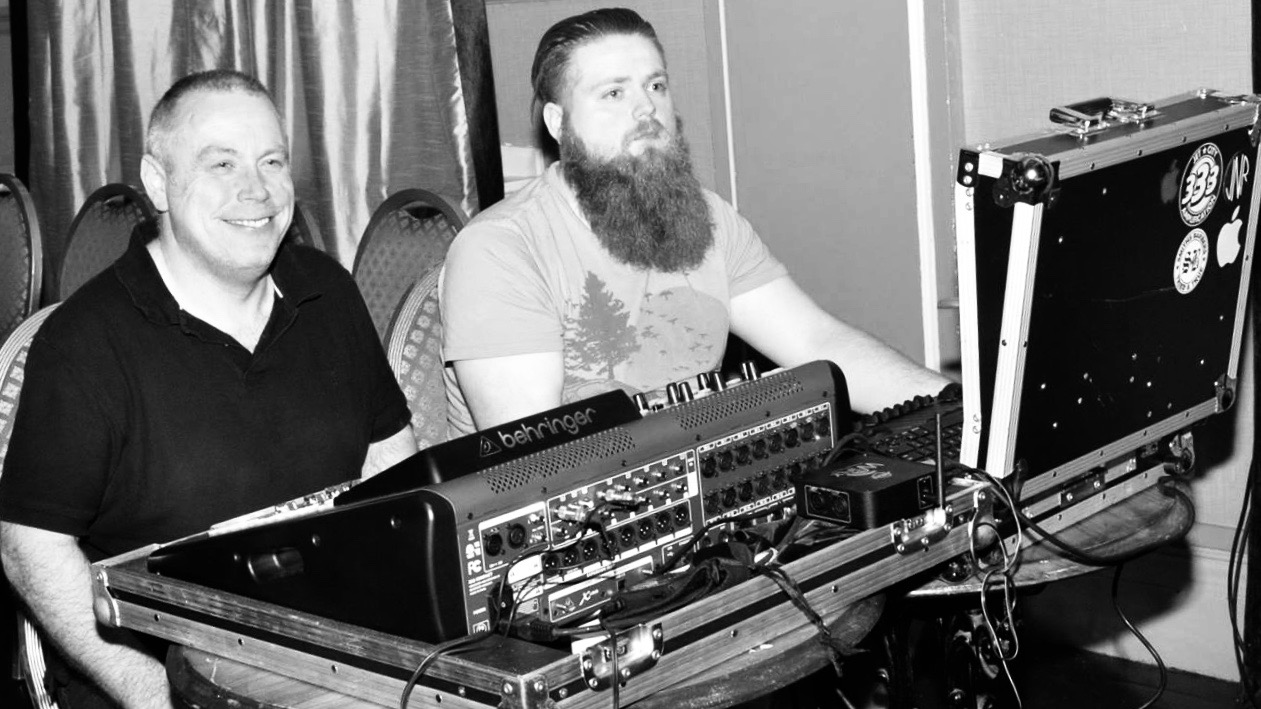
About six years back I hooked up with a friend Glenn Minnikin, who is an incredible tech head, a very bright lad. We eventually ditched the analogue gear and went digital, plus keep on adding to and improving the kind of light show that we can do.

It’s just snowballed from there, to doing sound and lights on a regular basis for numerous bands around the North East’.

10575229_10153324751233419_4816116301412612361_o

Colin with Glenn Minnikin.

What type of venues do you work in ?

‘Well, we can tailor it down to pubs if needed, like Trimmers in South Shields, or up to a full-on spectacle if that’s what’s required. We’ve done many social clubs and some theatres as well.

To be honest the bigger venues have way more appeal to us. We can do more impressive lighting and the big rooms let the sound breathe’.

With pubs and clubs closing every day in the UK, have you seen a change in the venues and audiences ?

The pub-band scene isn’t as vibrant as it was perhaps 10 years ago for people my age, and the younger audiences aren’t really coming through at a pub level.

They’ll go to festivals to see major bands, but the support for original local live music at a grass-roots level is virtually non-existent unless they are family or friends of the band.

University towns or cities tend to be different. The important thing is the limited number of places they can play these days. But it’s the chicken or the egg isn’t it. Pubs don’t want to take the chance of paying money for a band and not enough people turning up.

Back when we were younger, we wanted to see why our mates were talking about this or that band, what the buzz was all about. We’d turn up and support them, but by the 2000’s it became affordable to have a home-studio computer software, and you didn’t need to be in a band to perform music.

Not needing to work with other musicians, just programming your own drum tracks, bass lines, the lot, …all by themselves’

Earlier this year I went to The Sage in Newcastle and saw Judie Tzuke who complained during the gig of a bad throat. I got to thinking how serious an illness has to be before cancellation ?

’Maybe she was feeling fragile. She’d still have wages to pay and other costs to cover, so she’d still want to do the gig. If you’re talking main players like lead guitarist or singer are so ill they can’t do the tour, they’d have to be bedridden to cancel.

Back in the ’80s bands were lucky to break even on ticket sales, so they made it up on the merchandise and record sales. Nowadays due to declining record and download sales, the ticket prices have escalated.

Bands do not want to cry off on a tour, that is their bread and butter now’.

Have you come across musicians who want to pull the gig ?

‘I know of singers who with the slightest cold are looking to pull the gig. It’s like hang on, this gig’s been booked months in advance, the rest of the band are fit and ready, just that the singer is not at full strength.

You not only let the band down, and the audience, but the pub might struggle to get another act on at short notice’. 

Do you think many backing tracks are used in live performances ?

’There are some name rock bands out there who will use backing tracks on the lead vocals. When the high notes come in the sound guy pushes the backing track up, likely recorded from a previous live show, but it helps him hit that high note.

Many years ago, it was rumoured that Journey had done that because the singer had trouble with his throat and they didn’t want to cancel any dates.

When recording an album in the studio, they know they have to get it right because that album is going to be listened to over and over again, and any bum notes are going to stick out like a sore thumb.

But when it comes to live performance it’s experienced in the moment. If something is played a bit faster really who cares, it’s a live vibe, it’s a buzz. Yet for live albums? I’m not sure about them, it’s “that doesn’t sound so good let’s go in the studio and overdub it” ha-ha’. 

12022519_10153229660808282_7694142023163192956_o

Colin at Stormin’ the Castle Bike Rally.

You also compere at the Stormin’ the Castle Bike Rally….

’Yeah, I just realised it’s been 15 years now. I’d previously played there in 2000 and 2002 with Shovelmouth. I was asked to come onboard and help with compering in 2004 because their guy couldn’t do it one night, and I’ve done the job ever since’. 

Any stand-out moments from there ?

’I’ve loved every year. There’s always great moments, great bands. Local bands who play always bring their A-game. Name bands play great shows as well.

Maybe a stand-out moment was watching Pete Way performing with UFO absolutely plastered. As the gig went on his legs were getting more and more buckled. At the end of the show the band were laughing as he went off stage as they were so used to it.

The Quireboys just played a great show this year, and there was Spike (vocals) another man who likes a good sup, a very affable drunk, loveable, likeable guy but you’re thinking, will he last through the gig?

As he staggers up the steps with uncertainty to get on stage, you’re thinking this is looking dodgy. Then he gets on stage and click he’s into show mode! Throwing the mic stand up in the air, catching it, singing to the audience, brilliant vocals, so much charisma’.

In the last 10 years there has been a number of successful entertainers and comedians that have come from this area. Can you pinpoint the reason why ?

Certain places have had that, Liverpool in the ’80s with Echo & the Bunnymen, Lightning Seeds, Frankie Goes to Hollywood. Coventry with the Two Tone, Ska scene. They seem to have musical vibes about them.

Obviously South Shields is not on the same level, but undoubtedly there is some talent here.

There have always been incidents like when many punk bands started because they saw The Sex Pistols, or a number of rock bands formed because they saw Jimi Hendrix. Live entertainment has always been big in this town, even with the theatre, if people go to see it then perhaps they are inspired to then go and do it themselves.

Maybe it’s a snowball effect of the more there is, the more people get inspired by it. But back to your question of why South Shields ? Really I couldn’t pinpoint one thing. Maybe there’s something in the water ha-ha’.

DSC_0348

Shovelmouth at the Ampitheatre, South Shields June 2012.

What does music mean to you ?

‘It’s a passion, it always has been. I started off being a music fan, watching bands and buying the albums. Then playing in bands and started booking bands.

I enjoyed being part of setting-up live music up to entertain others and now it’s evolved to the point where I’d rather be behind the scenes doing sound and lighting, enhancing the bands’ performance.

I get a buzz out of knowing I can make a good band shine a bit brighter. My satisfaction is knowing I played my part in that. When you see the audience loving the show that’s great. Yeah, it’s my passion’. 

Interview by Gary Alikivi    September 2018.

Don’t forget to check out the ALIKIVI You Tube channel.

ROCKIN’ ALL OVER THE TOON AGAIN -Alikivi blog makes the news.

IMG_5252

On the blog in June this year, Roksnaps featured photo’s of bands playing live over 30 years ago. The rare pic’s were taken by music fan Paul White. Photo’s which capture the atmosphere and excitement at Newcastle City Hall. 

20170929_110031

Music fan Paul White

On Wednesday September 12th journalist David Morton wrote an article and featured the photo’s in The Chronicle newspaper and on it’s website.

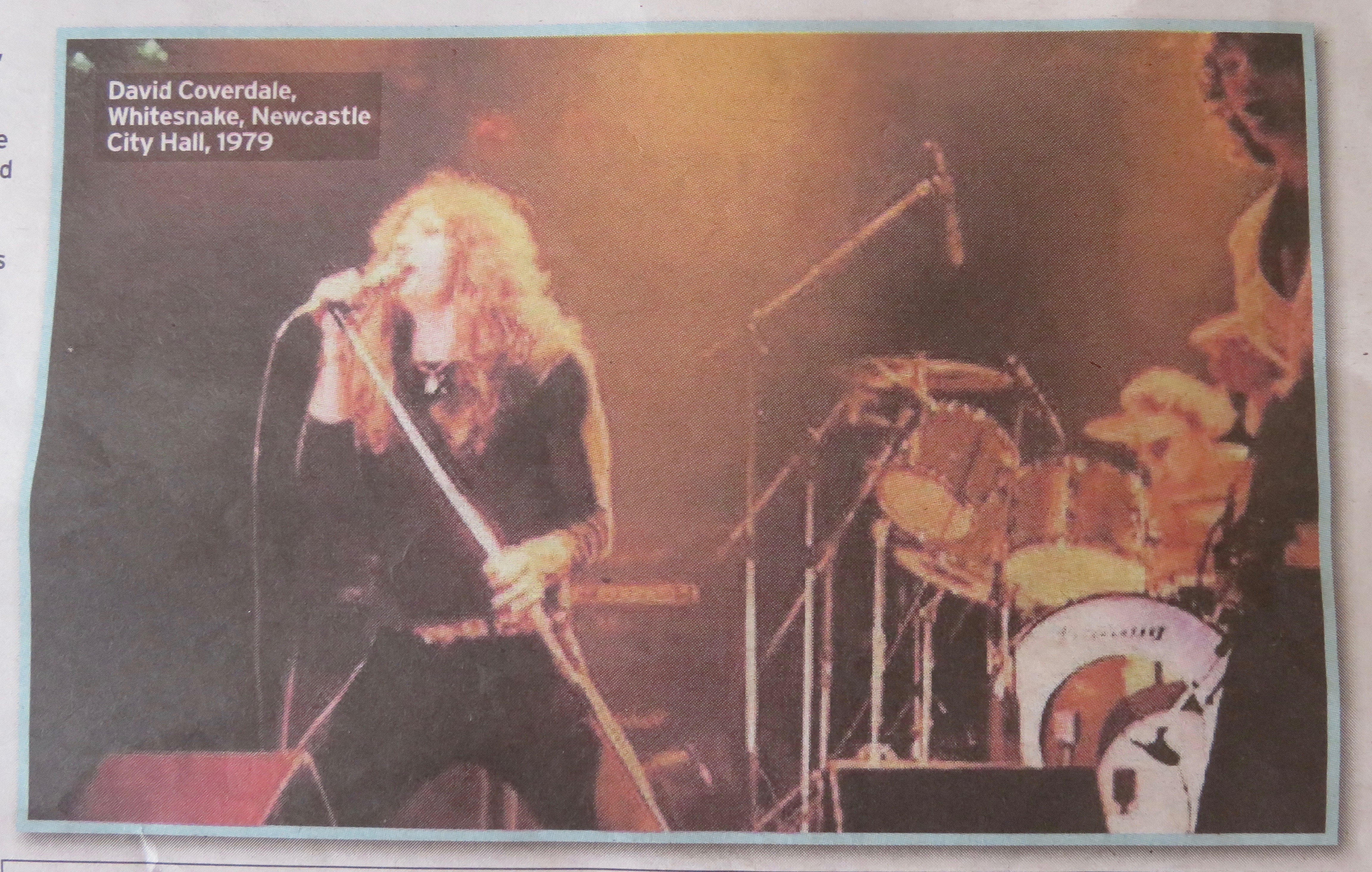
Newcastle was becoming a rock music powerhouse. Black Sabbath, Scorpions, Whitesnake, Motorhead, Thin Lizzy, UFO among others all trod the boards of Newcastle City Hall’. 

The blog is coming up to 40,000 views, plus this is the 175th post, so a great way to mark that milestone is with a double page in the local newspaper.

Gary Alikivi September 2018

Recommended:

Roksnaps #1 18th February 2018.

Roksnaps #2 22nd February 2018.

Roksnaps #3 27th February 2018.

Roksnaps #4  4th April 2018.

Roksnaps #5  20th June 2018.

1980 The Year Metal was Forged on Tyneside   11th February 2018.

Rockin’ All Over the Toon  22nd May 2018.

Don’t forget to check the ALIKIVI You Tube channel.

NORTHERN GROOVE in conversation with Garner Harris

40167820_1809884662382563_8463952021408448512_o

Tell me about the North East company ‘Creative Seed’…

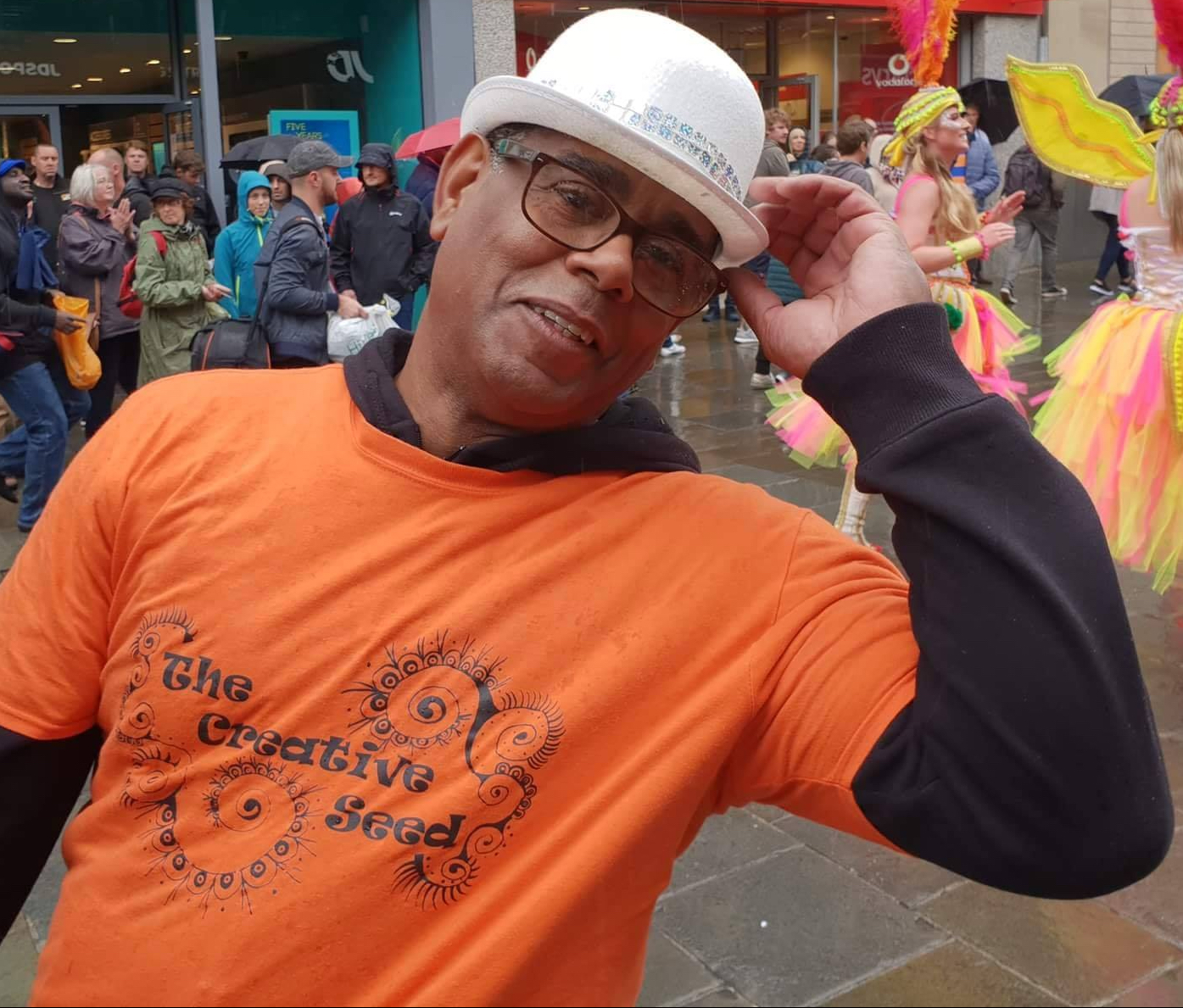
‘The Creative Seed was started as a production company and Carnival was one of the things we did. We made films, produced music and multi-media content.

To give you an idea of how diverse our work is, yesterday we were doing an event for adults with learning difficulties down in Stockton. It was a Caribbean garden party with the sound system, DJ and dancers.

We also did the Newcastle MELA, where we worked with community groups from all over the North East. For that event we worked with five professional dancers, two stilt walkers, community groups, sound systems, props and we had to manage all that.

It’s a lot so we’re going to narrow down the scope of what we currently do whilst developing the staff capacity of the company.

I find myself managing more than creating these days, especially considering that my training was originally in dance and choreography so I would be nice to do more creative work’.

Working with people who wouldn’t normally take up movement and dance do you see how important it can be ?

’Over the years we have worked with quite a lot with adults with learning disabilities. We can see the difference it makes. Sometimes with movement it’s not the only the physical exercise that people are getting out of, it can be uplifting psychologically as well.

There’s a tutor we work with, Sarah Shaw who teaches three groups of adults with learning disabilities in South Tyneside and she often comes back with stories of ’this one was doing this today and that one was doing something amazing today’ that sort of thing you know.

That makes all the difference. Not everybody can connect with people like that, on that level.

My partner and wife Sandy and I were talking about this lately, that we like working with people who have that ability to connect with a broad range of people. And it’s that openness to communicate with people.

The people we work with all have that ability with the groups we work with’. 

965187_651166134911330_865327934_o

Did any of your family do any creative work ?

’Not really but my father was a sheet metal worker, and he was always making things in the house. Like figures and sculptures. He would use everyday stuff like string and glue to bind stuff together in much the same way as we do for some of the techniques we use for making carnival costumes.

He’s always there beside me when I’m doing something creative. ‘No Garner, do it like this’ I’d hear him say’.

What is your background, how did you get involved with creative work ?

’My background is in dance. I had always danced but got really into it in the 1970’s through disco. I was listening to disco and funk from America when I was 13 and going up to the 100 Club in the West End of London. This was a daytime club.

We would get on the Bakerloo line train at Wembley Park station, up to Oxford Circus and the club was about 300 metres away. We would go as a group and meet other kids from different areas of London. It was a downstairs dive type club.

It would start 12 o’clock, the bass would be thumping, there was an old Jewish lady on the door charging 50p or something like that to get in and her hubby Ronnie L was the DJ.

At the end of the club, at 3pm, the place would be like a furnace from all the dancing, and they would have to open the doors at the back of the club, and you could just see the steam rising.

That was my first experience of dance, it was underground at the time. At 13 years old to have that amount of excitement was really stimulating and inspiring. So your imagination was allowed to just open up.

That would lead to going to places like Pineapple, the Dance Centre and being introduced to formal dance training and that sector of the entertainment.

I met my first dance mentor, an inspiring South African woman called Leoni Urdang and she took on 14 guys from that whole underground dance scene on scholarships to get a formal education in dance. That was my whole route into ballet, contemporary dance all of it’. 

What types of music do you listen to ?

‘I listen to the likes of Grooverider to Thomas Tallis to Beethoven I listen to it all. If I like it I like it. This genre of music thing has got to be out of the window by now. Something either touches you or it don’t’.

1655806_10152350722712245_5875497591713753076_o

You’ve done a lot of stage work how did that come about ?

‘Yeah, also I’ve also done a bit of TV, music videos, a British tour of a couple of musicals. We were backing dancers on Top of the Pops for Kim Symms, Shakin’ Stevens, Inner City people like that.

I was also working McDonalds, cleaning pubs in between the jobs it wasn’t a glamourous lifestyle. To be honest probably more downs than up’s’. 

How did you end up here in South Shields ?

’My wife’s family are from South Shields. Sandy and I went on our first date in ’92 at the Notting Hill Carnival after we first met in ’91 when we were working on the stage show Starlight Express.

She was head of wardrobe, and I was swing and understudy where you had to learn and know multiple roles within the show because you could be called to go on stage at any time during a performance.

Anyway, the reason we moved to South Shields was because Sandy didn’t want to bring a family up in London, so she packed up the Nissan Micra and came up North in ’94 and I followed her up shortly after’.

13012756_1095379403854143_8190621937151967488_n

I remember 2 shops in South Shields, Tribal Revival and Buggin’ Sounds that you were involved in.…

’Yeah, Sandy was making jewellery and doing parties and stall’s and I said why don’t we get a shop selling carvings and drums, all sorts. So Tribal Revival was Sandy’s passion.

When I came here I was offered Artist in Residence at Gateshead from 94-95 and at Buggin’ Sounds I was trying to develop a recording studio, a record label and we were doing club nights. We were doing Steppaz which was at Rockshots night club in Newcastle.

Looking back it was way too many things at one time but when you’re younger you have that energy don’t you. But I went into sales because my family was young then and I needed a bit of stability.

That was four years working for people like Reg Vardy, Springfield Auto’s, BT…but came out of that and started the Community Interest Company, Creative Seed, teaching dance in schools, community centres from Redcar to Berwick, all over the North East.

I kept that up for about five years. I remember doing some dance sessions in Biddick Hall, at Percy Hudson Youth Centre. And it was wild. The energy in there was electrifying. Some of the kids were doing summersaults of the walls.

If that energy could have been harnessed aww man.

You know the happiest I’ve been is doing the work I’m supposed to be doing. When I’m working with adults with learning disabilities or kids who wouldn’t normally get involved in dance and then they get it, they start to move.

We at Creative Seed work with them and we see them shine…that’s when I’m happiest.

When everyone in the room is getting on, I love that, that’s what I strive for. That’s who I am. I’ve always been happy just sometimes the opportunity isn’t there’. 

In the past 10 years there has been a number of well-known entertainers, comedians, writers who have come from South Tyneside. Can you pinpoint why that is ?

’One of my theories is because where it is geographically. You’ve got the river, the coast and the hill’s all close by. If you can escape the cities and expand your mind and things are not as bad as they could be.

You can’t move in cities, it’s all confined. At least here you can go where the world is bigger than where I am at this minute. South Shields you can do that. You can go up Cleadon Hills and be anywhere. Go to the beach. The river. Wow…anywhere and let your mind drift.

The other thing is that the North East is known for grafters. When people up here are working, they work really hard. Nobody can take that away from them.

If you’re not inspired by people who work hard up here, you’re not going to be inspired by anything. The grafting mentality from the shipyards, the miners, to the women working in the factories and making sure the kid’s get fed.

That is why I love the place so much’. 

For more information about Creative Seed contact: 

https://www.creativeseed.org

Interview by Gary Alikivi August 2018

ALL IN A DAYS WORK with North East entertainer Howard Baker

37878883_2117337425003963_15456895808569344_n

What have you been doing since last year’s interview ?

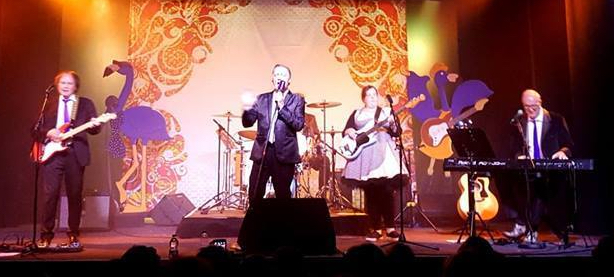
‘Vicky Price and I took about five months to put together an old fashioned ’60s show band, The Blue Flamingos. We had all the backdrop’s made and all the props to make it look really good.

The first half of the show was British ’60s and the second half was all American ’60s. But ’60s song’s only last two minutes so by the time we had committed ourselves we thought we’d have to do 40 songs haha.

So, we got a video up on the back wall and do a bit of patter cos it was a two-hour show. We decided to go out of the way and try it somewhere new, so we looked at The Westovian Theatre in South Shields.

First night sold, so added the second night. People were singing along, yeah went really well’.

How did the gig at Westovians come about because it’s not known as a music theatre ?

‘That’s right I believe it was the first music show promoted there. It’s a small theatre that holds 260 and at first I was thinking of putting a rock show on there but I thought this ’60s show would be better suited.

So, we went down and paid the booking fee for 27th and 28th July. I was surprised how well it went down so we are taking it to The Phoenix Theatre in Blyth then hopefully moving it around the country.

We are in the process of doing that now ourselves rather than using agencies although Steve Lloyd Promotions, a big national agency have just picked us up. He said he can get us on festivals with bands like Gerry and the Pacemakers, Amen Corner and The Merseybeats. I said yeah go ahead and do it.

So he’s working on creating some national links for gig’s next year.

We are a revue band we aren’t a tribute band like a Bobby Vee or Billy Fury, although we sing those songs we aren’t trying to copy.

I still have the Howard Baker Band working with some really good musicians so really busy. We’re all older and wiser than before’. 

3

Can you remember any gigs when you weren’t older and wiser ?

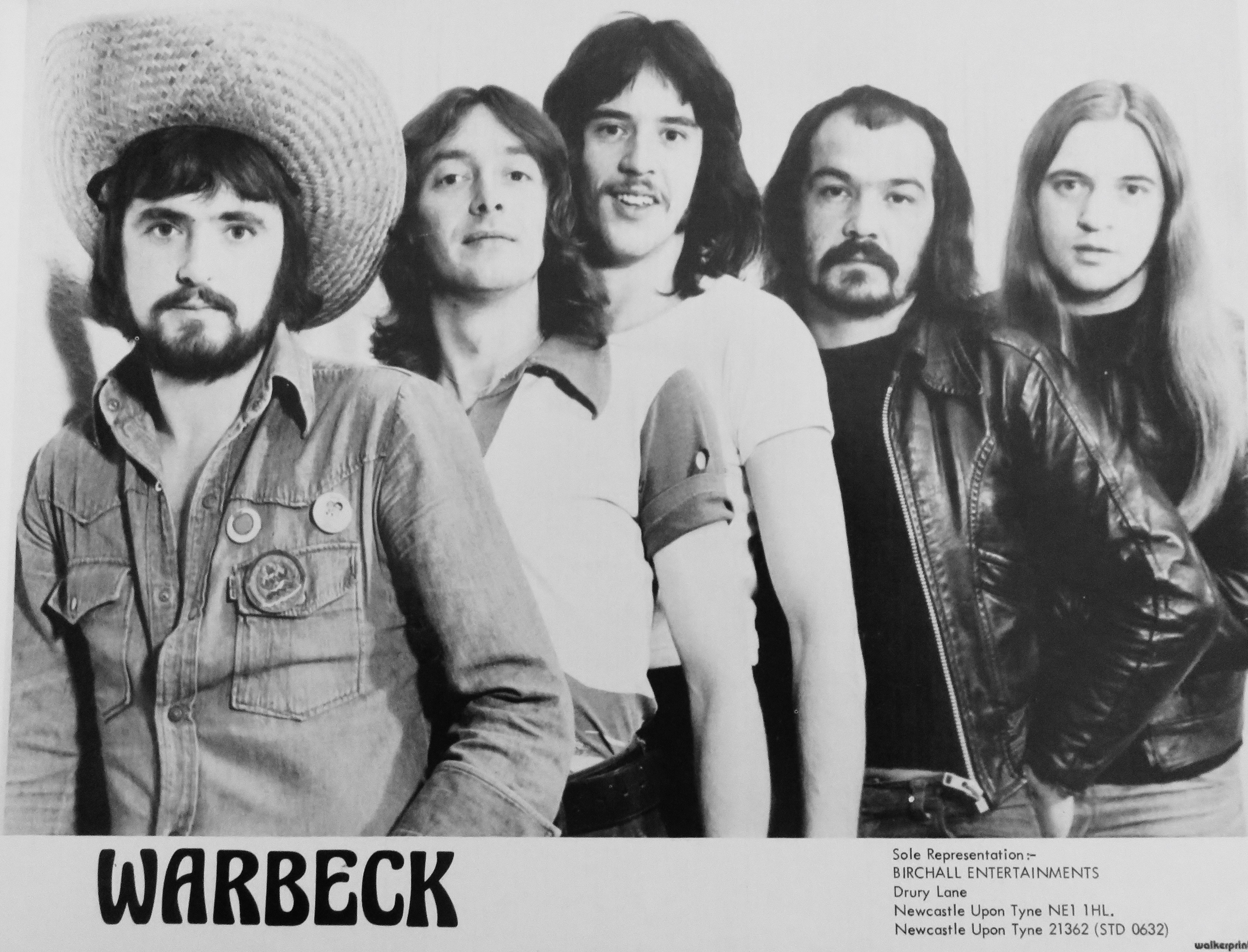
’We – Warbeck – were on part of a tour with Argent in the early ’70s. I remember playing at The Locarno in Sunderland and Argent had just brought out their single Hold Your Head Up High.

I was watching them from the side of the stage waiting for this song, they eventually played it and it went on for about 20 minutes. Talking about stretching out the favourite haha.

I talked to him afterwards he was a really nice guy I think he wrote I Surrender which Rainbow recorded also God Gave Rock n Roll to You a Kiss number so yeah, he wrote a good few tunes.

When I was in Warbeck we were playing at the Marquee in London and were supporting a band called Upp. It was a project that Jeff Beck had put together. They were a sort of rock fusion, great sound – out of this world.

He came in the dressing room, he is only a small, slim guy, he said to me I like your vocals, good band, keep at it. I don’t remember much from then but that was good of him to say that’. 

What do you think about the current covers and tribute bands scene ?

‘I played support to a famous singer’s son – I won’t name him. But he sung in the style of his father, and he was so bad. You sort of recognise the songs, but they weren’t anywhere near his father – and he was probably on a couple of grand.

At that point I was thinking I must be doing something wrong’.

Is that the fault of the agent pushing them out when he should have more control over the quality ?

’Of course, but if your father is that famous it definitely has more clout. Karaoke singers might be good for a couple of songs but the agent tells them they have to do two sets at 45 minutes each. They say ’What I only know three songs’.

Some of them get out to the club’s and die on their arses.

Problem is some agents don’t go and watch them beforehand. I’ve had a few on with me and the agent say’s ‘What were they like Howard ?

I’m like ‘Don’t go there with me mate, I don’t want to get loaded up telling you about someone. Get out there and find out for yourself’.

One girl was so bad she came off stage and said to us ‘I’m thinking off doing cruises you know’. Somebody under their breath said ‘Aye, Titanic’ haha’.

One night at The Latino in Sunderland a singer was on before us and some of the audience had been putting beer mats on the stage, with messages on.

The singer thought they’d say ‘We love’You’re great’ and ‘Can you do this song’ all that you know.

Well when it was our slot, I was in Warbeck then, I picked up some of the beer mats and they had written ‘Get off, you’re rubbish’ and ‘Don’t come back’ and a few others with shall we say choice language.

I remember doing a show with Tom Jones and his band The Squires, also Bobby Thompson now these people were real pro’s and you could understand why they were at the top of their game. It’s their calling in life, it’s their gift’. 

37890756_2117337551670617_5350621268959821824_n

How much work do you put into performing ?

‘In my repertoire I’ve got about four and a half hours’ worth of songs. In my head I can possibly remember 200 songs.

I done a lot of writing with Warbeck, Nightwalker, and for the cd I put out in 2016 The Paris Files I done a lot. The single off that was number one in the Reverbnation European chart, off and on for 44 weeks and the album got to number three.

I got an email from a band called Red Cadillac in Kentucky wanting me to go over their and play. Well that’s difficult to do that because at the time I had 22 shows in 29 days in the UK.

It would be great to go over there, but I didn’t want to drop the other musicians in the shit. They would have lost 22 days of wages which adds up to a lot of money. Yes, it’s a full-time job we gotta pay the bills’.  

Do you find it hard to switch off and rest your voice ?

‘It’s hard to do that. I’m lucky that I sing in three or four keys. So if I have a problem I can always change, if any the first thing that goes is my bottom end. My middle and top are no problem’. 

Is charity work something you do ?

’Not for the Cancer charities and the big one’s because they get a lot of donations and special nights put on for them, so I stick more local like Feline Friends who are struggling so need more help.

The owner Lynn works hard on it and she has a full-time job. It’s a really good cause’.

When do you have a holiday ?

‘My wife, God bless her. I’d booked to go to London cos my son lives there. I’d booked four days. We saw a couple of shows went for a few meals, but I get it in little bursts like that. I play a few weeks in Tenerife.

When I was recording in Paris, she’d be there for a few days but it’s no fun for her as I’m working. But she goes out with (producer) Eric’s wife so that’s ok but normally for holidays I have to book a year ahead.

Last real holiday seven days it was, we were in New York and went to this club, I ended up singing with the band haha’.

What type of artists come from the North East ?

‘Well you’ve had people like Marcus Brown keyboard player with Madonna, then the like’s of Sting, Johnna (Brian Johnson), Coverdale, Rodgers… it’s a bit like in the United States the North is more supressed than everywhere else, you know doom and gloom. Detroit and Bruce Springsteen the places that have a bit depression bring out the best in singers.

I remember going through Middlesbrough in the ’70s and you ended up with a film of red dust on the car from the chimneys in the chemical works. Hartlepool was similar, but now them places are picking up.

You had people like Chubby Brown, very controversial comedian lot of people didn’t like what he was doing, but it was a way out for him’.

Are you saying that they fight harder ?

‘Yes definitely, from here the rock bands like Raven fought like hell to get out and do something. Some sort of made it. Bands like Avenger look back and say at least I tried.

I had a band Nightwalker in the ’90s with Ted Hunter on guitar, Shaun Taylor on drums we done a few gigs in France we were a cracking band, great musicians again from the North.

The like’s of Ditchy (Dave Ditchburn) should of got further, I heard some of his original stuff – really good. Pete Barkley from Lucas Tyson, bands like Cirkus were all great players. They all had deals but it just fizzled out for one thing or another.

I could cry that some of these didn’t get the right platform. We – Warbeck -were in there, in the veins of the Whitesnakes who we supported, but it was down to managements screwing the whole thing up’. 

1

With the number of pubs and clubs closing down where can you see the work coming from ?

‘Basically, with the work the strong will survive. The good acts will always work. The work is really tight, and the good acts are moving further afield. You’ve got to be more diverse.

I do a full Irish show, a full swing show, full out and out rock, ’60s and ’70s and a ballad show. Luckily I saw that 15 year ago and that’s when I started diversing.

It takes a couple of years to learn those type of shows, to bed it down. So if you’ve only one type of show your pigeon holed.

Funny I done a solo show not long ago in Northumbria University and it was a ’60s night. 800 students came dressed in their tank tops, loons and wigs. Kids of 18-19 year old coming up to me asking for Herman’s Hermitts or Wayne Fontana haha’.  

How important is image ?

Style and image are very important. The main difference now is being either a great singer or a great singer and good showman. You’ve got to make the effort. If I go on it’s shirt, waistcoat depending on the show sometimes a suit.

Some people come into the club, set the gear up and go straight on stage. As a punter you should expect something a bit different from the artist, not the guy offf the street.

I remember an agent called Andy Green I was doing the Jubilee Club for him, we were in a trio called Riff Raff. We were doing a 10 night run for him. Well Andy had been a Highland Guard or something, big strapping 6 foot 2 guy. He also used to put Wrestling events on.

Anyway this Welsh girl came in, we were all set up she was going on first and Andy said on the mic ‘Ladies and gentlemen put your hands together for this young girl from Wales.’ Then it was ‘whoa hold on, hold on get off and get yersel dressed you’ve had that on since you’ve got here’.

While the audience waited she had to change her dress and that’s what Andy was like. He only wanted really smart looking acts that looked the part because they are up on stage performing for the audience. And that’s what it should be’.

Do you listen to current music and how do you think the internet has affected music ?

‘No not really doesn’t really impress. Sam Smith, Ed Sheeran…couldn’t go and pay to see those guys.

I know old school people who like their vinyl or cd’s because they haven’t a clue about downloading. Some bands are limited if they only release downloads but their expense is much smaller not having to make the product but advertising still costs. You can lose a lot more on vinyl or cd than you can on download.

There is millions of songs out there on You Tube and young bands can use it as a calling card. The Amazons, Spotify’s, You Tubes are always making money and you might not – but that’s business’. 

Interview by Gary Alikivi 2018

Recommended:

Trevor Sewell, Still Got the Blues, 21st June 2017.

Howard Baker, Howards Way, 17th August 2017.

John Verity, (ARGENT): Blue to His Soul 7th November 2017.

Dave Ditchburn, Man for All Seasons 1st February 2018.

BECKETT , Music Matters, 9th April 2018.