I CAN’T TURN BACK TIME with Vincent J. Edwards

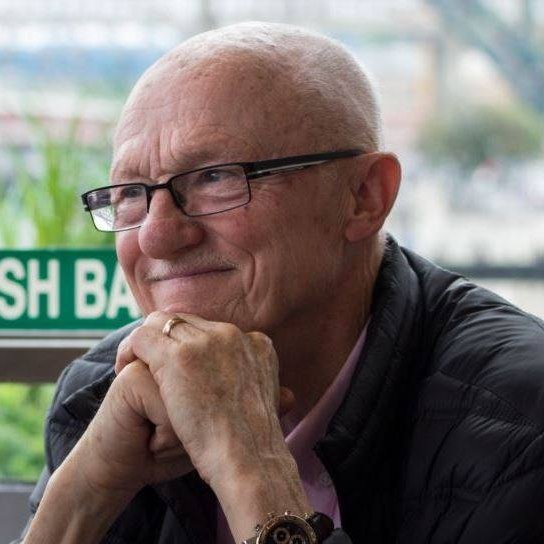
South Shields born Vinny Edwards has featured on this site a few times. Type his name in the search bar for previous write ups about his time in the music biz including international chart hit Back Where We Started From which reached #2 in the USA and #8 in the UK. Recently he got in touch and told me another story about one of his songs.

I was living in a flat in Wandsworth in London when I wrote and recorded I Can’t Turn Back Time in 1967. It was my second solo single for United Artists after The Answers broke up. We recorded the A and B side The Lively One at Olympic studios within three hours can you believe!

The B side was used for a commercial for Texaco petrol in the UK and USA. I Can’t Turn Back Time was played mostly on the pirate radio stations London and Caroline. I believe it charted on both stations it also broke into some Northern Soul charts.

In America it was released under the name Tim Love on the Ascot label so I would not be confused with the American actor Vince Edwards who played Dr Ben Casey in the TV series. It was just after this I changed my name to J Vincent Edwards. The ‘J’ I took from Jarra or Jarrow if you were posh.

Later there were two more records on United Artists – County Durham Dream and Aquarius then along came the musical ‘Hair’ and a new record company CBS. They were crazy happy days for a 22year old lad from South Shields’ Ocean Road school.

Link to the American release on the Ascot record label of ‘I Can’t Turn Back Time’

>>> https://youtu.be/79W6RtoJjDM?si=IGSL09KbaSvNN57v

Alikivi   September 2025

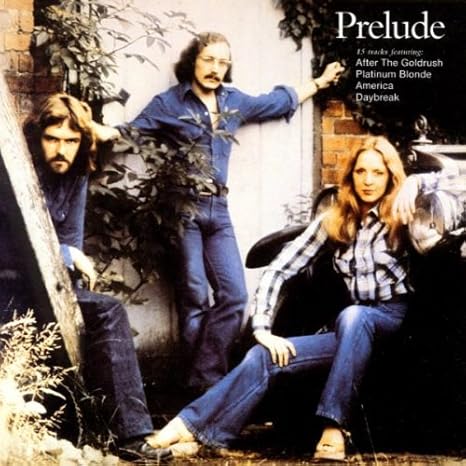
SPELLBOUND – in conversation with Prelude singer & songwriter Brian Hume

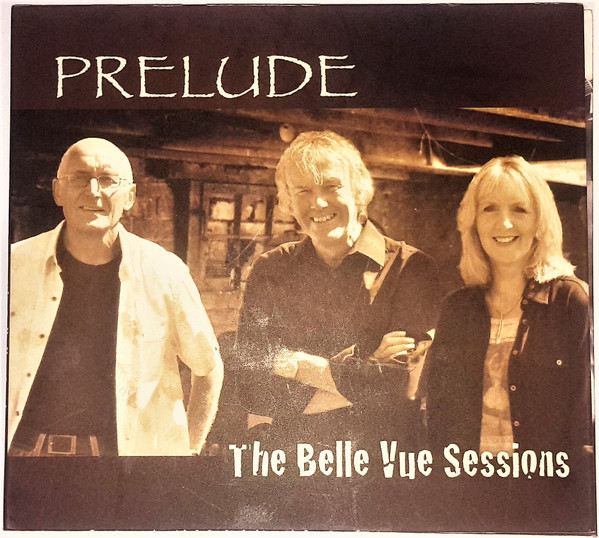
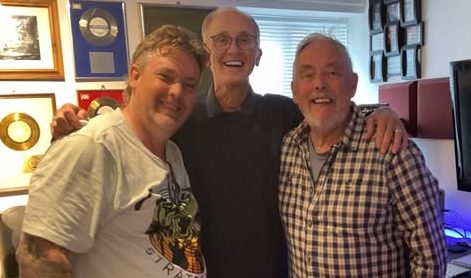
Ian Vardy, Brian & Irene Hume.

I met up with Gateshead born Brian Hume and he talked about his life in music and what it means to him now.

‘Music dominates your life. It can often exclude things that you should pay attention to. Personal relationships can suffer cos it takes over your life. All you wanna do is make that sound, make that music, at first you don’t care if you make any money you just do it for the love of it.’

‘Unless you’re all on the same page there’s always tension within bands. You’re living permanently on the idea that it will all come to an end tomorrow. If you’re a guitar player you could break a finger or get arthritis. Somebody might leave and your left high and dry. You might have an argument and everybody falls out, it’s a miracle they stay together. But it can be exciting not knowing what’s round the corner’.

78 year old Brian looks back to when and where he was first inspired.

‘Me mother was very musical she’d knock out a tune on the piano and a four string guitar – all self taught, amazing. That’s where I learnt to pick out a few tunes. Lot of houses had a room where no one went very often, that’s where the piano was.’

It was in Grammer school where Brian first met up with Ian Vardy, forming a duo to sing in Tyneside pubs and clubs.

‘One of the first gigs we played was the 99 club in Barrow in Furness. After two songs the chairman came up to the front of the stage “You’re not really right for this kind of environment”. He was nice about it but, yeah, we were paid off.’

‘The Everley Brothers songs were the go to sound, when we heard their two part harmonies we thought we could do that.  We used to play the Bridge Hotel in Newcastle. The folk scene then was vibrant, clubs were always packed out people were singing sea shanties then Paul Simon came along.’

‘Then we’d try writing our own stuff. Our publisher wanted us to be called The Cobblers. You could see the first review – what a load of! We settled on The Carnival – a very 60s hippy name. We lasted for one record – a Paul Simon song called The Big Bright Green Pleasure Machine. The review in the NME read ‘social comment at breakneck speed!

‘Ian and I were singing in our flat in Gateshead. We had just bought the Crosby, Stills and Nash album trying out different songs like Sweet Judy Blue Eyes. My wife, Irene was singing in the kitchen with the door open. She was singing the third harmony. We were totally surprised as we didn’t know she could sing. We turned and said ‘sing that again’. It wsan’t long before we went out to folk clubs and started going down really well.’

‘We lived in School Street, Gateshead and nearby at the end of the Tyne bridge is an old toll booth. A big granite structure. It had a lovely echo. Some nights we’d go in there and sing. One night a policeman came in. He thought we were up to no good. Very officious. But he stuck around listening to a few songs then as he was leaving said “Carry on”.

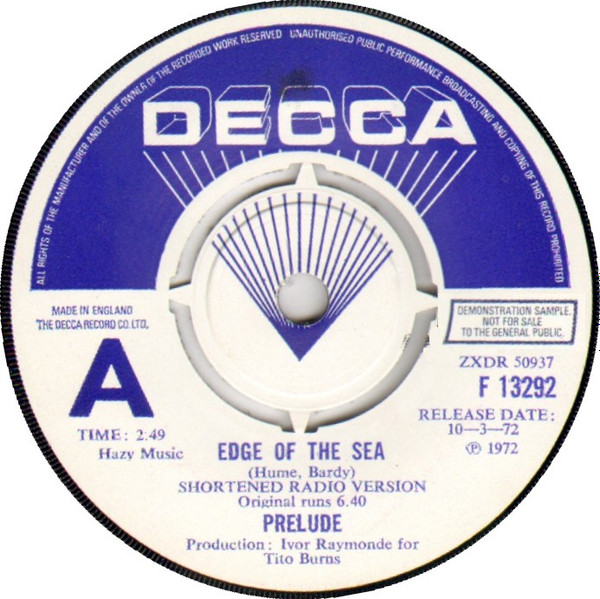
‘We got a deal with Decca Records and recorded a single The Edge of the Sea which had a strong hippy vibe to it. All during that period we were recording in Impulse Studio making demos courtesy of the owner, Dave Woods who soon after ‘discovered’ Alan Hull.’

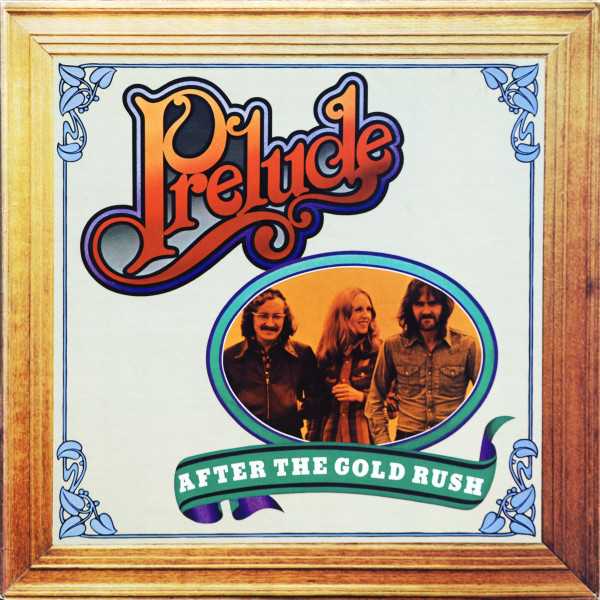
‘We were called Trilogy for a while but had to change it because there was an American band with the same name. It’s not easy choosing a name as any band will tell you. I came up with Prelude and that stuck. That was 1972.’

‘Three part harmonies had a big effect on musicians. A lot of bands had done it like The Lettermen and The Platters from way back, but Crosby, Stills and Nash were different, this was whack right in your face. Yeah, a big influence on us and many other bands including fellow Tyneside band, The Caffreys.’

‘Different members have come and gone but the band were Ian Vardy, me and my wife Irene. Ian and I got a song writing contract with ATV music which worked for us financially. We decided to put both our names on everything we wrote irrespective of who wrote it.’

‘We had a brilliant guitarist called Frank Usher. We parted company and and he went on to play guitar with Fish from Marillion as well as being a fine guitar maker.’ 

‘We played the North East club scene for a while and in between we’d do Durham College where we’d support artists like Gerry Rafferty, Mott the Hoople, Shaking Stevens and the Sunsets – that band were amazing. There was a hippy commune type band called Principle Edwards Magic Theatre who all dressed in white which looked cool so we copied that – it was a cheap uniform.’

‘Our manager George Carr got us a record deal with Pye who back then were dominated by Max Bygraves selling boatloads of Sing-a-Long-a-Max records. We were the token folk band, although we were never folk they just called us that cos we had acoustic guitars! You couldn’t say that Pye were part of the cultural vibe.’

‘In 1973 we went to Rockfield Studio in Monmouth to record our first album How Long is Forever? produced by Fritz Fryer who was in a group called The Four Pennies. They had a number one with Juliet. A wistful ballad. On the final studio day Fritz asked if there was anything else we had. We used to sing a Neil Young song just for our own pleasure. That was After the Gold Rush.’

‘We recorded it and it sounded pretty good so we double tracked it. Overdubbed it fifteen times and it sounded massive. We never thought for a minute anyone would pick up on it. But John Peel at Capitol radio did. He got loads of calls ‘Who is this band?’ ‘Where can we buy the record’.

‘Next thing we know Pye put it out as a single and we’re on Top of the Pops. That was 1974. We ended up appearing twice the first time was with Marc Bolan. There was a succession of TV appearances. You had to do television because you are reaching a massive audience. We did a show for Tyne Tees called the Geordie Scene. We did the Basil Brush show for Pete’s sake.’

‘Most notably we went on the Vera Lynn show. During rehearsals she referred to us as The Prelude. Later she was walking towards us along the corridor when Ian stopped her and said “By the way Vera it’s not The Prelude it’s just Prelude”. Not skipping a beat she turned to him and said “If you don’t mind it’s not Vera…it’s Miss Lynn”.

Prelude were always based in their hometown Gateshead this meant constantly travelling up and down the M1 to television and recording studios in London.

‘It was every other week. We should have moved down there. But 1974 was a big year for us. We did the background vocals on Streets of London which was a hit for Ralph McTell. He asked us to go out on a UK tour with him.’

‘Ralph wanted to put our names on the record but our company wouldn’t allow it. For the next best thing Ralph put ‘background vocals by ‘The Gold Rushers’. It would have been a great advert for Prelude to have their name on the single but Pye were stupid on that.’

‘Ralph was so talented and generous to a fault. It was a big tour around the country then we played a venue where we’d seen Paul Simon, Crosby, Stills and Nash – here we were on the stage of the Royal Albert Hall. Amazing.’

‘After the McTell tour we went back to playing smaller venues but I’m getting the timeline mixed here because I remember before touring with Ralph was a UK tour with a singer and songwriter called Mike Chapman. He had a devoted following and used to live up the Tyne Valley in Haltwhistle.’

‘Then we went on the road with a great piano player called Peter Skellern who had a big hit with You’re a Lady. Meeting him he was rather quiet and reserved – he later became a priest. Then there was talk of America.’

‘This was 1976. What happened was Lindisfarne played the States. When Alun Hull came back, he’d tell us to get over there ‘Cos all ya’ hear is your bloody record ‘After the Gold Rush’ on the radio all the time.’

‘I always read the NME and Melody Maker, looking at American charts where like the Holy grail of music to me. To see Neil Sadaka, Beach Boys and bands like that we thought wouldn’t it be great to get in there. Our manager George Carr said ‘You’re in the American top 100’. We thought this is a dream come true.’ Then it went towards the top 20.’

‘We wanted to capitalise on the success but the record company didn’t want to pay for us to go to America they sent us to Amsterdam. We played the clubs and had a good time but we should have been in the States where we wouldn’t have even needed guitars as the song was acapella. We could have done the Johnny Carson show and the like and knocked that record up the charts.’

‘It wasn’t until 18 months later we got to the States. There were a few gigs on the West Coast in San Francisco where we supported Jerry Garcia in Berkley and met Nicky Hopkins who played piano on all Rolling Stones records. Then over to the East Coast and played The Bitter End in New York. When we came back to the UK Irene took a break when we had our second boy, Joel.’

‘Things moved on quickly until 1979 when our manager got us a deal with a new company called After Hours who were very forward thinking. We made an album at Abbey Road with The Hollies producer Ron Richards. His style was more towards lush strings and stuff like that. It didn’t really work for us.’

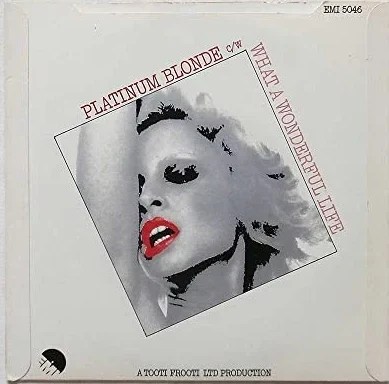
‘We also signed to EMI in 1980 and made an album in Portland Studios owned by Chas Chandler, charming fella. We had some great players on there but the only track that came out of it was Platinum Blonde. Our principal guys were Ian Green de facto producer of Platinum Blonde and Dave Wintour who was Neil Sadaka’s bass player. It was a minor hit which got to number 45 in the charts.’

‘We did a video for it in the old Battersea Power Station in London arranged by the head honcho at our record label, Richard Jacobowski. He was really on the ball, a hip guy. We crashed in his three storey flat in Hampstead and shared it with a band called The Regents who were very talented, like a proto-punk band. They had a hit song on Top of the Pops with Seventeen.’

‘For the single we did Top of the Pops and I remember on the same programme were Bay City Rollers. Platinum Blonde was good for us but afterwards we came back up North and played the folk clubs again.’

‘Ian Vardy was looking at doing something different so left the band around 1985 and became a social worker. We continued and got in ace guitar player Jim Hornsby who had been with a lot of country bands. Jim was very much in demand for session work.’

‘Country was labelled as redneck music then, it wasn’t cool – but it is now. Gram Parsons did a hell of a job making country hip. He influenced The Byrds and Keith Richards. Some clubs turned their nose up at country stuff but we had a great time doing clubs then. Unfortunately, as happens in bands Jim left.’

What did the new millennium bring?

‘From 2001 it was Irene, me and Chris Ringer who we brought in on bass and vocals and took Prelude on the circuit of country clubs and the whole scene. Through the years we have performed with countless numbers of musicians and loved every minute of it.’

‘Our latest album The Belle Vue Sessions (2012) is all acoustic. It started in 2010 when Ian came round to our house, he had an appointment at his dentist round the corner. We got the guitars out, as you do,and it all went well so we asked him to do a gig with us. One turned into many.’

‘It was our manager Sue Brind who originally said ‘Why don’t you make a new Prelude album? We thought ‘why not?’ so we wrote some new songs and recorded them in Broadwater studios, Gateshead. Two lovely guys engineered, Gavin and Paul. We recruited Paul Hooper who was drummer for The Fortunes and again Chris Ringer played bass. We are very proud of the album.’

What does the future hold for Prelude?

‘We’re busy meeting with David Wood who used to run Impulse Studio in Wallsend. Impulse was a gateway for a lot of acts. He released a lot of Heavy Metal stuff like Venom and Raven from the North East, it was a big scene for him.’

‘David recently put out a CD box set of Alan Hull demos, he recognised Alan’s talent early on. Now he wants to do the same with us because he’s got a lot of tapes that have never seen the light of day. We’re looking to release something soon.’

After recalling a life spent with a multitude of musicians and the memories it triggers, Brian reveals that his ‘obsession’ holds a deeper meaning than just getting on stage and banging out a tune.

‘Your friends tend to be musicians and you share a common language which is almost secret amongst you. You know and experience things that nobody else has. There’s a bond between musicians which is friendship but sort of deeper. You know what the other is going to do, what they’re going to sing, – what they can and can’t do. Every successful band has to have that. It’s like brotherly love. It’s a wonderful feeling. It’s why people do music instead of opting for a ‘safer’ life.’

Alikivi   June 2025

A NIGHT WITH JETHRO TULL – with former Pirahna Brothers drummer, Tony Hodge

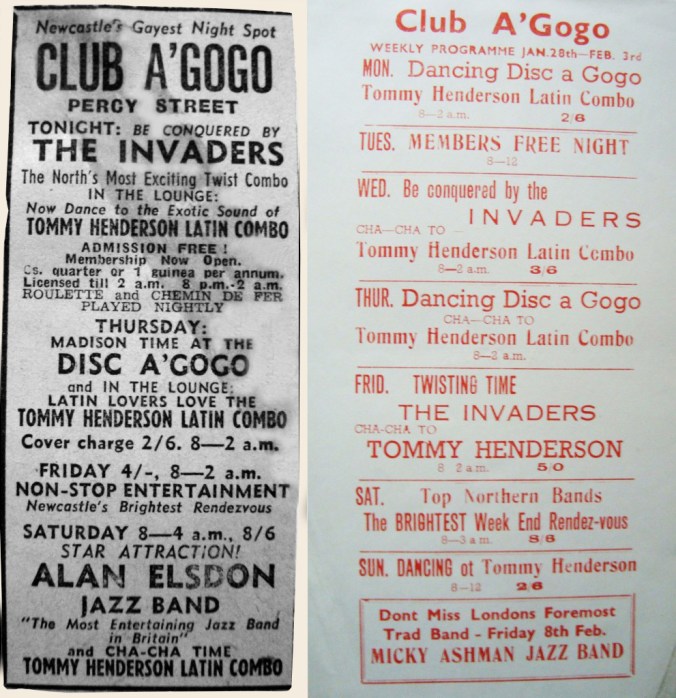
In previous posts Tony has talked about the influence Ginger Baker had on his drumming, and the many nights with friends going to watch bands like The Nice, Tina Turner, Jimi Hendrix and The Animals at Newcastle’s Club a’Gogo.

Before joining the Pirahna Brothers, Tony drummed for North East band Turm with Micky Balls (lead guitar), George Sturrock (guitar), Alf Passmore (bass) and the late John Lawton (vocals). He remembers the night they got a gig opening for Jethro Tull in a County Durham club.

‘It was an amazing experience to play on the same bill as the legendary Jethro Tull, unfortunately, the venue we were booked in was the Argus Butterfly in Peterlee. I say unfortunately because The Argus Butterfly was and still is a difficult venue for two bands to play as the stage and concert room are really small and there was an even smaller dressing room at the back of the stage’.

‘We arrived first and set our gear up  and heard that Jethro Tull and all their equipment were travelling up from London in a small Thames van’.

Turm at the Cellar Club, South Shields

Before big names including Cream, Pink Floyd, Deep Purple, Jimi Hendrix and Led Zeppelin packed out halls around the UK, they built their reputation playing smaller venues including Bay Hotel in Sunderland, Club a’Gogo in Newcastle, Cellar Club in South Shields,  Kirklevington Country Club in Yarm and Argus Butterfly in Peterlee.

‘When we got the booking I hadn’t heard of them as they were yet to hit the big time but when they entered the club, we were all fascinated by the lead singer. He was very thin, wore unusual hippy type clothes and had very long hair. This was becoming the fashion in London but was yet to be a fashion on Tyneside. Here was Micky and me wearing brightly coloured satin shirts in pale blue and fluorescent pink – so last year darling!’

‘All the guys were very friendly and were taken by our Geordie accents. They piled their equipment out of this small van, we wondered just how all their gear, four band members and a roadie got in the van – never mind drive 200 miles up the A1 dual carriageway. Note – there were no motorways yet’.

‘We were ready to play our set. Our fourth song in was a rousing number called Amen which had three or four sing along choruses with clapping to accompany it. This was a perfect song for John’s voice and the girls loved it’.

‘Each time the chorus started I would jump off the drums and go back stage clapping as I did. It sounds ridiculous, and it probably was, but it seemed to work well for the show’.

‘However, Mick Abrahams, the lead guitarist of Jethro Tull, was in the dressing room catching a well-deserved snooze on top of several amp covers. The first time I rushed in he jumped up in shock but then he saw the funny side when I ran back on stage for the opening riff after the sing along chorus. The next time I did it, Mick was laughing a lot as he had watched me returning just in time to start up after the chorus. The third time however he was ready. He grabbed me by the arms and didn’t let me return at the end of the chorus’.

‘The looks on the rest of my groups faces was a picture when they started with no drums. I can still see the vision in my mind today. Fortunately, he let go of me and it didn’t ruin the whole song, great guy, and a great laugh’.

‘After our opening set it was time for Jethro Tull to go on and they just couldn’t have been more different to us and were truly mesmerising. Their music was unlike anything I had heard before and their style was far away from anything I had seen before on the various stages in the North of England’. 

‘Another first for me was that Ian Anderson, the main vocalist and front man, played a flute that was a huge surprise. He also played harmonicas which he kept in small leather pouches around his waist and there was a funny side to this. He also kept his cigarette tobacco in these pouches and this meant he had to knock the tobacco out of each harmonica each time he was about to play them which was really very funny to watch’.

‘The visuals of the band were like nothing I had seen before and Ian sang many of his songs on one leg. This became his trademark as time went on and still is today. The drummer and bass players were very solid, had a great sound and the band was well received’.

‘Turm and Tull had a great time together as fellow musicians even if we probably looked a bit out of the current fashions in London. After this meeting they released Living in the Past a song that started my romance with my wife Jane many years later’.

‘They became rock superstars filling massive stadiums all around the world to thousands of people. I wonder if they ever thought back to the good old Argus Butterfly in Peterlee, the Turm and the 200 plus audience – somehow, I doubt it’.

Words: Tony Hodge

Edited: Alikivi   May 2025

More stories on the site from Tony Hodge including Jimi Hendrix, Cream, Tina Turner and Club a’Gogo.

Link to previous interview with Tony >>>

LUCKY MAN – part one, with North Shields actor & musician Tony Hodge. | ALIKIVI : NORTH EAST UK CULTURE

THIS CLUB’S A’GO GO with former Pirahna Brothers drummer, Tony Hodge

This second part of Tony’s memories feature his pilgrimage to Newcastle’s Club a’Gogo where he saw many bands who were on their way to a successful career in music. They included Amen Corner, The Nice and a young guitarist from the United States – Jimi Hendrix.

North East venues for the Hendrix tour in 1967 included dates at Kirklevington Country Club in North Yorkshire on January 15th. The Cellar Club, South Shields on February 1st and February 2nd at Imperial Hotel, Darlington with a gig at Club a’Gogo in Newcastle on March 10th.

‘We were right at the front and only a few feet away from the great man himself. He was tall and looked very young. His style of guitar playing was like no other I had ever seen – even playing with his teeth on some numbers. At one point Hendrix dropped a ten shilling note and the guy next to me rushed to pick it up and hand it back to him. He thanked him saying that was for the bands supper’.

‘He went on to finish the night with a long guitar solo and then thrust his guitar into the ceiling leaving it there with the feedback screaming as he left the stage. On many subsequent visits we saw the hole still in the ceiling. A great memory of a great night’.

‘Over the following months we saw many emerging London based bands play at the a’Gogo like ‘Amen Corner’ with Andy Fairweather Low, Jeff Beck with a very young Rod Stewart as his main vocalist wearing an extremely long college scarf and of course our very own local mega band ‘The Animals’

‘This club forged mine and many other local musicians’ tastes for the years to come and we got to see megastars playing only a few feet away from us’.

‘While I’m talking of being right up close to your idol musicians there are two more instances of things that could never happen today. On these occasions my brother Barry and I went to music events at the Sunderland University students Union’.

‘On one night ‘The Nice’ played and my brother was sitting on the edge on a two-foot-high stage only a foot or two from Keith Emerson and his famous Hammond Organ when he did the world renown stabbing of the keyboard. We also saw Tina Turner when she was still performing with Ike. She wore a one-piece lemon coloured jump suit and looked amazing. Once again, only feet away from us, wow!’

‘We didn’t know it at the time that only a few months after these events these bands would play in much bigger venues and stadiums so the days of being within a few feet of your idol were gone for ever’.

Plaque for Handyside Arcade and Club a’Gogo in Newcastle.

‘Sadly, the Club a’Gogo itself was only open for six years, it became a bingo hall as the game was becoming all the rage in the North East. Finally, the club and the surrounding buildings were demolished in the 1980’s making way for the Eldon Square shopping complex. The club was only open for a short time but the mark it left on the Newcastle music scene was amazing’.

‘These venues were where I started to love that different style of music, but it wasn’t until we formed bands that I got the chance to play it not just listen to it’.

Words: Tony Hodge

Edited: Alikivi  May 2025.

Link to previous interview with Tony from February 2021 >>>

LUCKY MAN – part one, with North Shields actor & musician Tony Hodge. | ALIKIVI : NORTH EAST UK CULTURE

AN ANIMAL IS BORN with former Piranha Brothers drummer Tony Hodge

On 1st February 1967 on his way to becoming one of the most influential guitarists of the 1960s, Jimi Hendrix played the Cellar Club in South Shields.

A previous post (19 March 2025) looked at the impact this gig had, also mentioned was the opening of the new Cellar Club in December 1966 by Cream.

Reading the article stirred up some memories for North East musician and actor Tony Hodge, he recalled the time he was introduced to the band and in particular the drummer Ginger Baker and how influential he became in his life.

‘In the sixties my good friend Ray Laidlaw played in Downtown Faction along with Rod Clements and Simon Cowe – all three became famous in the amazing band Lindisfarne. Ray and Rod had an excellent bass and drums connection, driving the band’s music with real power – I loved to hear them play’.

‘On many occasions we went to see each other’s bands play at various venues including the Briar Dene Tavern in Whitley Bay and The Nautilus Pub, a short walk from my house that became a regular haunt from 1964 onwards.’

‘I would often go with Micky Balls and meet Ray and other likeminded musicians like Billy Mitchel, Will Browell and Billy Dunn. We always had great meetups and all types of music were discussed’.

Micky Balls and Tony in Newcastle.

‘One night near Christmas 1966 Ray mentioned he had heard of a drummer that played with two bass drums. This drummer apparently could play a drum roll with his feet!’

‘A drum roll is hard enough to play with your hands using sticks, never mind with your feet using foot pedals. I found it hard to do a fast double beat that was required in some pop songs of the time never mind a full drum roll. I said I couldn’t see that it was possible and we had quite a heated discussion about how impossible it would be’.

Fortunately, the band were due to play at Newcastle Club a’Gogo and Ray saw this as a chance to convince Tony. The Club a’Gogo was a popular venue housed in two upstairs rooms above Handyside Arcade in Newcastle.

It opened in 1962 as a jazz club but broadened its musical style and became better known as a Soul, Rhythm n Blues and Rock venue attracting big stars like The Who, The Rolling Stones, Jeff Beck and local stars The Animals.

Tony explained ‘It was split into two separate rooms each with its own stage three feet up from the floor. One room was called ‘The young set’ for under eighteens and the other was called ‘The jazz lounge’ for everyone young and not so young’.

‘When the big stars played there, they would play a set in each room. This must have been a nightmare for the road crew as during the interval everything needed to be set up in one room then taken down and set up in the other’.

‘If you got in early, you could be right at the front and literally a couple of feet from the stars. That was amazing for a fan. On every visit I always got to the front and had the most amazing view of people who were to become megastars’.

‘We had come to see the band that we had discussed in the pub with this special drummer. It was a newly formed band from London. Unusually they were just a three-piece group, lead guitar, bass guitar and drums and had no separate singer as was the popular set up of the time’.

‘The club had an amazing atmosphere, it was dark and you were all packed in together. Small lights lit the stage which was only big enough for artists to play and not a lot of extra room for big theatrics. The stage was absolutely packed with equipment’.

‘To each corner were two sets of PA speakers and on the right-hand side were four Marshall 4×12 cabinets and the same on the left-hand side. In the middle was a set of Ludwig drums with two tom toms, two floor toms and two bass drums showing the name Ginger on one drum and Baker on the other. Yes, this band was Cream and the amazing drummer Ginger Baker. At this time of course, I had no idea who he was – but that was about to change’.

‘On came a man dressed in a long purple Teddy boy jacket and a ginger quiff with a half pint glass of rum (I think) in his hand. He sat down picked up his sticks and hit all four tom-toms then did an amazing roll on the two bass drums. He stood up and left through the back door of the stage, his sound check completed. This was the one and only Ginger Baker’.

‘Both Ray and I just stood and looked at each other in amazement. The speed and technique were just amazing and so different to us two young drummers, I heard nothing like it before’.

‘I was still recovering when two other guys entered the stage and came to the microphone. Ginger came through and sat down behind this huge kit. They started to play with no count in just heavy tom-tom beats, then guitar, then the man in front of me who was Jack Bruce started to sing ‘Driving in my car, smoking a cigar, the only time I’m happy is when I play my guitar’.

‘The opening to N.S.U. was like nothing I had heard or played – ever! The drums rolled around the kit the volume was deafening and when the guitar solo came in by Eric Clapton the hairs on my neck stood up. It was loud, very loud. It was something you never forget’.

‘The rest of the set was also amazing playing in a style I could never have imagined. Ginger played a drum solo that was again long and loud but it ended with him playing the two bass drums and his tom toms in a chest thumping roll that went on for several minutes.

That was the famous twin bass drum roll Ray had been talking about, it was true, a drummer could play a drum roll with his feet. I had to learn that, I had to be able to play drum rolls with my feet. I was hooked’.

‘The trip back on the bus was all about the miracle we had just seen, a drummer like no other. I was changed overnight, by this one-man, Ginger Baker. Without my friend Ray persuading me to go to the Gogo to see him I would not have become the mad drummer I became. That night ‘Animal’ was born’.

‘I had to have a double bass drum kit and if possible, a Ludwig one. Off again to the music shop and more debt but I got a lovely Ludwig drum kit with a pearl finish just like Ringo Starr. It looked and sounded fantastic’.

‘Once I got this kit my whole style changed. I was more brash and started playing a drum solo at the end of The Pirahna Brothers first half. It was long, loud and not very technical but this new style and the notoriety it brought with it opened many doors. My nickname was ‘Animal’ and people shouted it out at venues’.

More stories from Tony Hodge coming soon including Jimi Hendrix, The Nice, Jethro Tull and Tina Turner.

Edited: Alikivi   May 2025

Link to previous interview with Tony from February 2021 >>>

LUCKY MAN – part one, with North Shields actor & musician Tony Hodge. | ALIKIVI : NORTH EAST UK CULTURE

OPPORTUNITY KNOCKED for musician Chris Morris

There is a saying that you make your own luck, I’ve found that to be true and this story underlines that. Throughout his life Chris Morris made the most of his opportunities and still is today. He still has a passion for music.

From the 70s to the early 90s Chris was playing in various line up’s of pop band Paper Lace. “However, in the new millennium I decided it was time to concentrate on writing and pursue a solo career. In 2020, I teamed up with fellow songwriter and singer Mark Aynsley Hay – together we have written over thirty new songs”.

Chris Morris & Mark Aynsley Hay

When growing up in Nottingham Chris’ only ambition was to be a musician and his mother fully supported him by buying him a guitar and encouraging him to enter into talent competitions, but his father had other ideas. Chris remembers him asking ‘when are you going to get a proper job?’

A young Chris focused on forming a three-piece band and worked the pubs and clubs around the Nottingham area. One of the first bands was ‘Infant’, the name reflected the fact that the members were so young.

His reputation as a guitarist and singer spread throughout the music industry and opportunities were presented that were too good to turn down. First, he was asked to play guitar and sing backing vocals for 60’s pop legend Billy Fury – then by 1973 he had joined Paper Lace. His mother’s enthusiasm and encouragement had paid off.

Paper Lace

The original line-up was Philip Wright on drums/lead vocals, Mick Vaughan on lead and rhythm guitar, Cliff Fish on bass and Chris Morris on guitar and vocals. In the 70s a few bands had drummers who were also lead vocalists and programmes like Top of the Pops positioned them at the front of the stage.

Their big break came when Paper Lace won TV talent show ‘Opportunity Knocks’ broadcast on ITV with regular audience figures of 7 million. The entertainment show was the forerunner of today’s X Factor and Britain’s Got Talent.

Based on their television success the band released ‘Billy Don’t Be A Hero’ in March 1974.The single spent three weeks at number 1 in the UK charts.

Chris recalls “I was 18 years old still very naive when Paper Lace had their first number one record in the charts. I’d never been on a tour bus never mind on an aeroplane and the band were booked for a six week tour of Australia – the plane journey seemed to take forever”.

“During the flight I had no concept of time and distance. Two members of the band seemed to be very worldly and connoisseur in cuisine compared to myself and bassist Cliff Fish. We were two boys who preferred our mothers home made Yorkshire pudding, meat, potato and two veg.”

“The inflight menu offered a choice between salad and curry and other dishes that I’d never heard of. I didn’t like lettuce and tomato so I asked the stewardess for the curry. The flight was long possibly 22 hours with one refuelling stop”.

“After dozing off all I remember is that every time I opened my eyes it seemed to be time for food again. I was very reluctant to try anything else on the menu so I just asked for curry again. I’m not exaggerating when I say that during that flight I must have had at least four curries”.

“We finally landed, were picked up at the airport in pop star style and taken to a luxurious hotel. A porter took our bags and we followed him in the elevator. That’s when nature took over”.

“I sneezed and the worst happened which needs no description. I’ll leave that to the imagination of the readers. Let’s just say it was an incident that would never be used by our publicity team”.

Chris & Phil Wright on Top of the Pops.

Following on from the success of ‘Billy Don’t Be A Hero’ was ‘The Night Chicago Died’. A song about a shoot out between American gangster Al Capone and the Chicago police. The single reached number 3 in the UK charts. In America it reached number 1 – the single was awarded a gold disc.

Later that year a third release ‘The Black-Eyed Boys’, took Paper Lace to number 11 in the UK and number 37 in the American charts.

Chris pulls out more memories from his time in Paper Lace ”During our Australian tour the band were flown to different venues in an aircraft which could only now be described as vintage. It had two side propellers and looked like something from the 1960’s TV program the Australian Flying Doctor”.

“This was 1974, and although I was a smoker in those days I’d never seen anyone smoking or using soft drugs. We noticed the pilot was rolling his own cigarettes which carried a distinctive smell. He was obviously smoking cannabis or marijuana or as the Aussies would say “that funny French stuff”.

“Needless to say, I was nervous every time we flew and considering the flights were always very close to the ground, I was a little worried that the curry syndrome could happen again”. 

“One good thing about flying close to the ground is that I saw lots of beautiful wild animals that I would never have seen had the plane flew at the normal altitude”.

“To finish on a lighter note, in the hotel we all had our own room with a balcony overlooking the pool. There was a beautiful looking parrot which would fly around the pool every day”.

“Each morning it would land on our balconies expecting food. I would give the parrot some food and sing ‘Billy Don’t Be Hero’ in the hope it might repeat our hit to following guests. It never did, or maybe I never heard it, I’ll never know”.

“Looking back one of my proudest career moments was when I invited my parents to see me perform at the Royal Variety performance in front of her Majesty the Queen Mother in 1975”.

R to L. Chris Morris, Mark Aynsley Hay and Malcolm Rescorle just finished a recording session.

Final words from Chris “I’m a very fortunate man, but if you’re listening Dad, I’ve still not found a proper job!”

For further information or listen to a compilation of music by Chris Morris & Mark Aynsley Hay plus family, friends and associates check out the official website >>>

chrismarkmusic.com | The joint music of Mark Aynsley Hay and Chris Morris

Check out the interview with Mark Aynsley Hay, March 2025.

Alikivi   May 2025

CHASING THE RAINBOW – new album from North Tyneside musician Phil Caffrey

‘Chasing the Rainbow’ is my debut solo album and at the age of 72 I feel a real sense of achievement to have done this explained Phil. I first made music in 1959 when I was 7 year old with my two brothers Pete who was 10 and Paul who was 5. We’d give concerts in our parent’s garden, we loved singing in harmony. I’ve been so fortunate to make music with my brothers.

Arbre were signed to DJM records in 1975 and released two albums and four singles in the mid to late 70’s. By the 2000s The Caffrey Brothers formed and released four CD’s.

Phil added Lately I’ve worked with a number of musicians and recorded a new album in Stuart Emerson’s studio. The first track Rollin Thunder is about how life can be frantic and not having time to take stock. It can also be about how the weather is changing and we need to do something before it is too late.

The Lion Share is about someone who wants and takes more out of a relationship and Measure asks questions as somethings are not always easy to work out or see. There are things that are difficult to measure, love being one of them.

Meet Me in Heaven is about meeting someone somewhere at sometime, maybe in the future. Final track Chasing the Rainbow is about striving to reach a goal in life. I think we are all chasing a rainbow of some description.

Musicians on the album are Phil Caffrey – lead vocal, backing vocals and acoustic guitar. Stuart Emerson  – acoustic and electric guitars, bass, piano, keyboards and backing vocals. Paul Smith – drums, percussion and congas. Michael Bailey – bass guitar, Rachael Bailey – accordion and violin.

For more information contact The Caffreys on social media/facebook. The CD is also available on all music platforms to download or stream.

Alikivi   April 2025

A SPOONFUL OF WILLIE DIXON – new album from Teesside’s Rhythm & Blues singer Emma Wilson

Following on from the success of her debut in 2022 ‘Wish Her Well’ and the highly acclaimed 2023 release ‘Memphis Calling’, which was recorded at Sam Phillips Recording Studios in Memphis, Teesside singer Emma Wilson releases her third album ‘A Spoonful of Willie Dixon’.

The recording is always a joyous experience and not like work at all said Emma if I could be in the studio every day of my life I would – well so long as I could gig in the evenings!

After recording Willies’ Hoochie Coochie Ma (ma) on ‘Memphis Calling’ – prompting pianist Archie ‘Hubbie’ Turner from the Hi-Rhythm Section to exclaim “She’s not from Middlesbrough, she’s from Mississippi!” Emma was inspired to sing more of Dixon’s songs and record them with her British band

Even though I have a distribution deal with ‘Select-O-Hits’ and a great publicist in Frank Roszak, I do the rest of the work myself regarding the release of the record, such as PRS, PPL, coding, mastering and publishing which I have had to teach myself – I’m like my own record company.

Returning to her beloved Memphis in May 2024, Emma performed at the inaugural Riverbeat festival with The Bo-Keys – who’s bandleader Scott Bomar producedMemphis Calling’.

The Riverbeat Festival in Memphis was amazing, it’s held right beside the Mississippi in Tom Lee Park, I felt so thrilled to be there, even checking into the backstage was an experience. I think I was the only British artist there, you become a bit of a novelty “Wow you’re from England!”

Everyone was very welcoming particularly the musicians I played with – Scott Bomar – who produced my album ‘Memphis Calling’. My pal Archie ‘Hubbie’ Turner who also played piano on ‘Memphis Calling’ and the wonderful Bo-Keys.

The stage was openair and even though the heat was sultry there was a cool breeze coming off the river giving it an even more cinematic atmosphere, everything felt sort of slowed down, or maybe that was me trying to take it all in or the ‘Purple Rain’ wine Hubbie gave me!

The audience was vast and I was buzzing to get on. In fact, when we did What Kind Of Love it lasted so long I think we played the 12 inch remix! I also got to watch all the other bands from the VIP area including The Fugees who were pretty spectacular.   

Emma then drove down the Blues Highway to Clarksdale to sing at the legendary Ground Zero Club at the invitation of the Pinetop Perkins Foundation. 
Playing at Ground Zero the iconic club in Clarksdale, Mississippi – which is owned by Morgan Freeman – was a different experience again. It’s a super cool club seating around 300. I was invited to sing at the annual fundraiser the Pinetop Perkins Crawfish Boil.

I performed with the Pinetoppers – students from the Pinetop Perkins Foundation – they were fantastic, full of soul, groove and most of all blues. Backstage they asked so what do you want to play? got a key? got a groove?

Look out for Harrell ‘Young Rell’ Davenport, Danny ‘Guitarwood’ Garwood, Wyly Bigger and Six String Andrew, they really are the blues stars of the future. 

We played five blues standards including House of the Rising Sun where I managed to get in a plug about being from the North East of England and mentioning The Animals.

The club itself is great, it looks like a really old vintage venue with cool graffiti on the walls, flags hanging from the ceiling and long wooden tables which the gorgeous waitresses seem to glide between serving beer and wings.

It’s a special place and I loved it. Everyone should go to Memphis and Clarksdale it’s easy just drive down the Blues Highway.

Emma & Hubbie Turner at Riverbeat Festival, Memphis.

You have a few UK gigs scheduled – anymore in the pipeline?

Yes, we have a lot in the UK and more coming in all the time, thanks to the new album release which has boosted our profile. We have a headline at the Texel Blues Festival in the Netherlands, I’m also going to Germany to do some guest spots and then back to USA to promote the record in September.

‘Good to the Last Drop’ 2025 UK tour dates >>>

Saturday 21 June ‘Blues & Soul Revue’ + Trevor Sewell & Lola-Rose, Hutton Rudby village hall, North Yorks. 7:30pm

Tuesday 24 June ‘Bletchley Blues Club’ special guest Terry Marshall (sax) Bletchley, Milton Keynes. 8pm

Sunday 13 July ‘Flying Circus’, Newark. 4pm

Tuesday 29 July ‘The 100 club’, London. 8pm + Thomas Heppell

Sunday 3 August ‘Tyne bar’, Newcastle 4pm

Saturday 9 August “Blues & Soul Revue” + Robin Bibi & Lola-rose Hutton Rudby village hall, North Yorks 7:30pm

Saturday 13 September ‘Flying Circus’ ‘Not the Newark Blues Fest’ 4pm

Friday 10th October Texel Blues Festival, Netherlands

Friday 17 October ‘Crawdaddy club’ The Turk’s Head, Twickenham 8pm

Sunday 7th December Looe Blues Festival, Plymouth

Thursday 18 December ‘Leeds blues club’ Christmas party.

For further information contact >>>

emmawilsonmusicuk@gmail.com             

www.emmawilson.net

Instagram : EmmaWilsonMusicUK                      

Facebook : EmmaWilsonMusicUK

Alikivi   April 2025

GIVE THE FOX A GUN – with Teesside musician Bob Campbell

Heart beating fast, he’s running for his life

Chased by morons, no value to their life

Bring back hunting, give the fox a gun.

(Mensforth/Newton, Angelic Upstarts)

The North East has become a home from home for 57 year old Bob Campbell. In a phone call he talked about his love of music and his contribution to the punk compilation record produced in support of Hunt Saboteurs.

I love punk. You know punk to me is urban folk music – music by the people for the people. You’d have people in rural areas singing about combine harvesters then you’d have punks singing about inner city decay, the music was full of energy. After first hearing it in 1977 – I thought that’s for me.

I was born on the Isle of Lewis and grew up in Perthshire, Scotland and came down to the North East to study at Sunderland Polytechnic in 1985. I worked in Gateshead and Blyth before finally ending up working here on Teesside since 1992. My wife is local to this area and my son was born here – yeh you could say I like the North East.

I’ve been taking my son to Rebellion Festival in Blackpool’s Winter Gardens since he was 9 year old – he’s now 28. He formed The Anti septics who played the festival twice. I took the band to a lot of their gigs where I was always down the front dancing. I’m 6 foot 5 with a mohawk hair cut and wear bright colours when everyone wears dark clothes. I stand out a bit! I don’t care what people think.

I started writing songs in the late 90s then during the covid lockdown I wrote over 300 and just wanted to give them a life. I couldn’t find people to sing them as they wanted to sing their own songs so I thought I’d do it myself. I went to a few folk clubs got some ideas and formed a band in October 2022. Last August the Gutter Folk played on the Rebellion Festival – it was like holy shit!

For years on the punk scene I’ve been friends with Julian Kynaston who is a huge supporter of Hunt Sabs. He set up a gig in September 2022 in Barnsley and got me to do two songs acapella – basically my first time on stage!

At that gig headlined by UK Subs, their frontman Charlie Harper said ‘Those people who kill foxes, just remember they’ll kill you without a fucking thought’. That quote really struck a chord with Julian and inspired him to put out the compilation album ‘Give the Fox a Gun’.

Back cover of the album with Charlie Harper quote.

We recorded a couple of songs about fox hunting. As I was a countryside ranger for 20 years I know a shit load about foxes and the lies told by the fox hunting fraternity so I can articulate that into the songs.

Julian Kynaston and Alan Walton produced the album which features bands including Gutter Folk from Middlesbrough, Darlington’s In Evil Hour, Burning Flag from Halifax and punk royalty Angelic Upstarts from South Shields who contribute with their anti-hunt track ‘Give the Fox a Gun’.

Countryside wildlife was my profession for 20 years, I was a ranger around the Tees Valley so I know a lot about fox habits. Foxes are incredibly clever and smart essentially they are scavengers they would rather find something already dead than hunt for food.

When they are being hunted they will take to ground and some hunts dig them out. They’ll climb trees and follow streams so as not to leave a scent.

When sheep are worried, they huddle into a pack which is their defence mechanism. The fox will go into the middle of a flock of sheep who aren’t bothered about the fox. When the hunting dogs come along the sheep huddle tightly keeping the fox safe from the dogs.

The hunt say what they do is pest control but really they don’t catch enough to make a difference on numbers and they say it’s only the sick or old animals they hunt. It’s absolute lies. They breed and release foxes in areas they don’t know, they are completely lost so it’s an easier hunt for them.

One time they were importing foxes from France – that’s not pest control. No, the only reason they do it is for rich people to see a living animal torn to shreds in front of their eyes.

Why would they want to introduce the killing of defenceless animals to their children? They smear their kid’s faces with the fox’s blood that’s just been murdered in front of them. Hunters try to justify it as a kind way to go….no the animals are just scared, terrified.

Do you know fox hunters will pay men to protect the hunt and beat up the Sabs? Thing is fox hunting is illegal. It’s madness when you think that they are paying people to beat up people who are on the right side of the law. What we’ve had for many years is Hunt Sabs trying to break up and disturb the fox hunt – the fight goes on.

The Hunt Sabs are aiming to raise money to go towards buying equipment like a vehicle or drones to help their work. All takings from the album go toward supporting the Hunt Sabs – 90% Sheffield Hunt Sabs & 10% Gabo Wildlife.

To buy the 13 track compilation album on red vinyl contact the official website >>>  www.givethefoxagun.com

Alikivi   April 2025

C’EST LA VIE – with musician Mark Aynsley Hay

Mark in his studio.

Retired since 2010 and now living in France, Mark was born in Teesville on the outskirts of Middlesbrough where he began playing piano at 7 year old and by 15 started working in showbusiness.

Initially, it was my older sister Margaret who influenced me, she was a brilliant pianist and suggested I start piano lessons. Most weekends the family would sing all the popular up to date songs of the fifties accompanied by my sister on piano recalls Mark.

Of all his experiences in showbusiness it’s a cliché to say but Mark really has been there, done it and worn out the t-shirt. Read on for some of his highs and lows.

For many years I ended up working as a singer and entertainer on the North East club circuit, before moving to Manchester in 1976 where I continued performing while also working as a session singer for the BBC.

Throughout my career I’ve also performed in countries like Norway, Malta and the casino circuit in Portugal plus venues like Bristol Hippodrome and Liverpool Empire. I’ve even worked seasons at Butlins holiday camp.

Mark performing on the North East club circuit.

When did you get your first big break?

Between 1967 to 1969 I was singing with the Bill Sowerby big band at the Top Rank suite in Sunderland. The band regularly supported big name groups who appeared there. Slade and Family come to mind.

On one occasion Radio One DJ ‘Emperor Rosco’ – real name Michael Pasternak – was appearing at the Top Rank with his road show. I happened to be in the venue rehearsing an original song with the big band.

After we finished, Roscoe introduced himself “if you ever fancy moving to London and working as a session singer, you’d be welcome”. He gave me his card and a few months later I took him up on his offer.

When I started working for Rosko he was in the process of forming his own independent record label Mother Records. He co-wrote a song ‘909’ which I recorded as a demo, which presumably was meant for a name artist.

Rosko’s management took the demo along to EMI to discuss a distribution deal for Mother Records. The feedback I received was that they were very impressed with my version and would like to distribute the song.

The song was released in 1971 and started to receive air play with favourable reviews in music magazines. From what I remember it received good reviews on Rosko’s round table and the Pete Murray show as well as other Radio One shows. The only negative review was from Tommy Vance.

Just when Mark was making headway in the music biz a scandal hit the headlines. ‘Bribes at the BBC’ the Sunday newspapers suggested that certain BBC DJs were being paid by record companies to play their records. 

Rosko was not mentioned or involved however it stopped DJs at the BBC from being involved in any third-party interests explained Mark. However, he knew he needed to keep up the momentum that he had built up so far.

Rosko’s management approached me and suggested that I should promote the record on the cabaret circuit and local radio stations. In comes Colin Hutchinson. 

Colin was based in Middlesbrough and booked the artistes who appeared at the Fiesta Cabaret club in Stockton. Subsequently I signed a five year management and agency contract.

Colin promoted me as a solo entertainer and ironically one of the first venues where I promoted the record was at the Top Rank Suite in Sunderland for a local BBC radio station.

‘You’ll Never See Julie Again’ recorded by Frankie Vaughan.

By 1974 things were looking up, management approached me and put an idea on the table. They said although Frankie Vaughan’s career was slightly waning – having been a big star in the late fifties and sixties – he still had massive pre-sales orders regarding record sales.

By this time, I’d started singing on cruise ships and when on one P&O liner I sat down and wrote ‘I’ll Never See Julie Again’. Within two weeks of being on dry land I recorded a demo version of the song at Keith Murray and Billy Hygates studio in Redcar using local musicians. The song was published with EMI and produced by Les Reed for Columbia records.

Unfortunately, 1974 was a bad year all round for record pressing due to a major shortage of plastics. The major companies gave preference to guaranteed sellers – chart bands like Paper Lace.

Coincidently, in 2020 Mark teamed up with songwriter Chris Morris who was vocalist and guitarist with 70’s pop band Paper Lace who appeared on TV talent show ‘Opportunity Knocks’ and had UK chart hits including a number 1 ‘Billy Don’t be a Hero’ in March 1974.

Regardless of negatives, the first PRS cheque I received for ‘I’ll Never See Julie Again’ noted that the song had sold well in Canada and Australia with reasonable UK sales. We appeared on at least 14 different TV shows to promote the single.

Looking back, I think I’ve had a few setbacks when it comes to recording and record releases however regardless of this, I’m really grateful for the opportunities I’ve received during my career.

On the bill with Bob Monkhouse and Harry Secombe.

What was your experience of working on cruise ships?

I started performing on cruise ships at the age of 25 and initially I was naive as to how it worked. The cruising market at that time was very old fashioned, for example the ship was split between first class and tourist.

There was a first class room on the old Canberra with decor like an old fashioned colonial Gentleman’s club. I only sang there once as after I performed the first two songs combined with topical patter, I was aware that none of the snobby gentlemen were interested. A number of them were sleeping with the Times newspaper covering their face.

After my third song I announced in a rather cheeky way that I had better places to perform, audiences normally listen and react to my show. I walked off to the sound of my own footsteps. Needless to say, I was never asked to work there again.

Fortunately, the cruise director had an idea to double me up to perform in the night club come cabaret lounge for the tourists. On that show and subsequent performances, I received standing ovations from the audience.

Some months later I was sent a P&O in house magazine with an article written by the same cruise director on the Canberra – ‘Mark Aynsley and another young entertainer called Billy Hygate were like a breath of fresh air’.

It went on to say that the future of entertainment on cruise ships was changing and both Mark and Billy had lifted the bar to a higher and modern level.

What are you doing now and can you bring your story up to date?

In 1982 my wife Alison and I established Almara Music Productions. Almara was an agency that represented vocalists, dancers, bands, comedians and magicians in varied fields of TV, entertainment, cruise ships, theatres, cabaret and summer season shows.

We retired in 2010 and permanently moved to south west France although since retiring, Almara Music Productions continues to be the platform for my songwriting promotion.

To listen to a compilation of music by Mark Aynsley Hay & Chris Morris plus family, friends & associates check out the official website: http://www.chrismarkmusic.com

Alikivi   March 2025