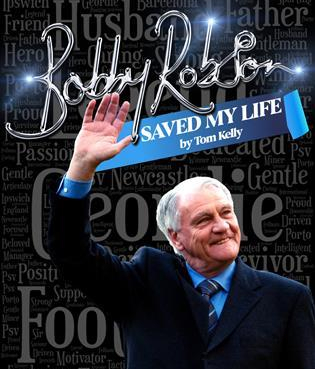
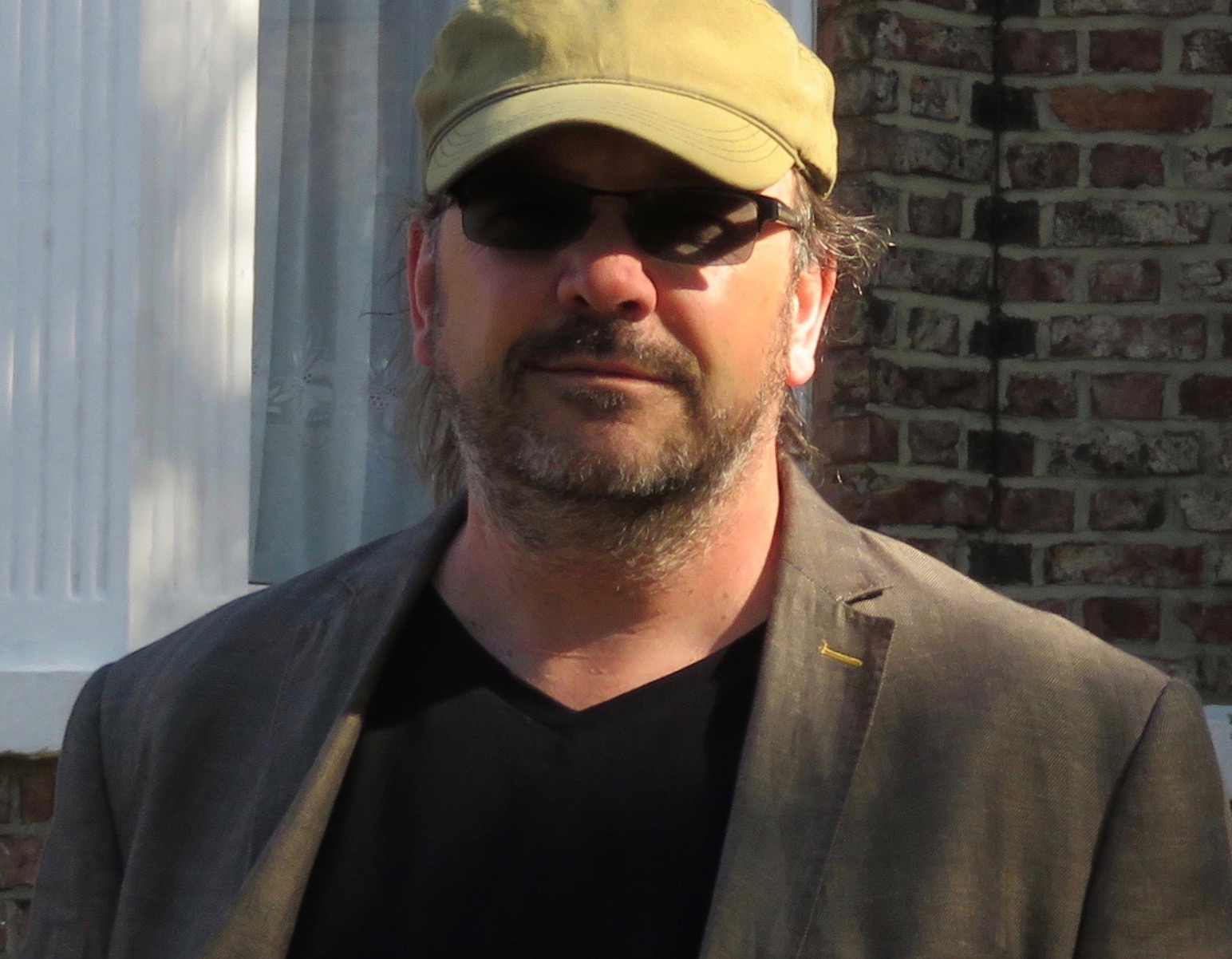
BOBBY ROBSON SAVED MY LIFE – a New Play by Tom Kelly

Theatre and football come together in a new play about the life of one of football’s most successful and well-known personalities. Sir Bobby Robson’s story has been written by North East playwright Tom Kelly (Geordie the Musical, The Dolly Mixtures, Nothing Like The Wooden Horse)….

‘The play looks at three characters and how Sir Bobby has had a real and lasting influence upon their lives’ explained Tom. ‘This is not only about football and Tyneside but hopefully underlines we each have a responsibility to care for one another.’

701a93cc-d214-436f-8f67-c3d3c2e1d686

Former Newcastle United number 9 and England international, now Match of the Day pundit, Alan Shearer has added his support. In a video message he is really looking forward to seeing the play’ and described Sir Bobby in three words ‘passionate, committed and professionalism’

A footballer who played for Sir Bobby at Ipswich Town was George Burley. The former Scotland international full back revealed in his message to describe Sir Bobby ‘Father-figure, determination and enthusiasm’.

I asked Tom what research he did for the play… ‘I read a great deal about Sir Bobby’s life and discovered he often sent messages of support to a wide variety of people which had a positive impact on their lives: It gave them hope. He had a real empathy for others. His life underlined, for me, the way we treat others is not just important but crucial.’  

Tickets are available for the play at South Shields’ favourite theatre, The Customs House. A portion of each ticket sold will go to the Sir Bobby Robson Foundation, a charity he and his wife, Lady Elsie, founded in 2008 to help find more effective ways to detect and treat cancer.

Curtain up on the first night is Tuesday 16th July at 7.30pm, running through to Saturday 20th with matinees at 2.30pm on Wednesday 17th and Saturday 20th.

Telephone 0191 454 1234 or check on-line for details https://www.customshouse.co.uk/theatre/bobby-robson-saved-my-life/

 Other shows are on July 31st at the Regent Theatre, Ipswich

https://apps.ipswich.gov.uk/en-GB/shows/bobby%20robson%20saved%20my%20life/events

And 2nd & 3rd August at the Tyne Theatre, Newcastle.

https://tynetheatreandoperahouse.uk/events/bobby-robson-saved-my-life/

 Interview by Gary Alikivi June 2019.

FOOTING IT TO EUROPE with Tyneside poet Keith Armstrong.

In the week of the 50th anniversary of Newcastle United’s victory in the Fairs Cup, a 6-2 win on aggregate against Ujpest Dozsa in the final. Tyneside poet and lifelong supporter of the Magpies, Keith Armstrong, reflects on their journeys through Europe.

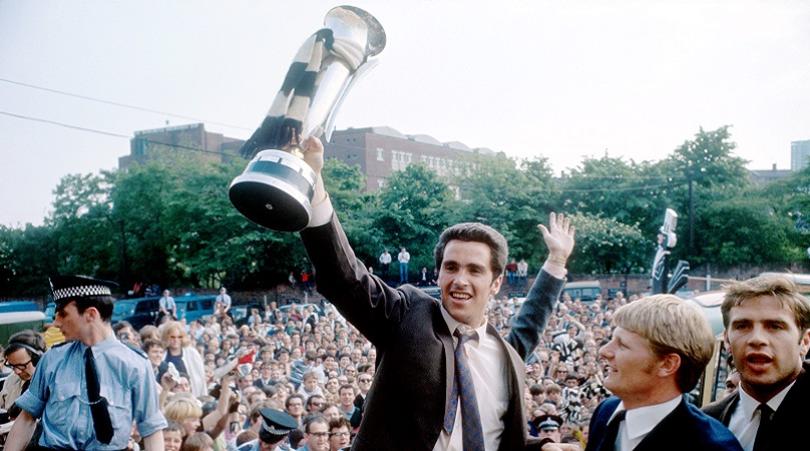
Bobby Moncur, Newcastle United, with the Fairs Cup

I hate to give away my age, but my dad took me piggy-back to see Stanley Matthews play at St James’s Park in the days when peanuts were only a tanner a bag and the ground capacity was well over 60,000.

Since then, I’ve followed the lads through thick and thin, usually thin, across Europe and back home.

It might surprise you, but United in Europe isn’t new you know. They toured Italy, Czechoslovakia, Hungary, and Austria, in 1929 – just after the last time they won the League, with the legendary top-scoring Hughie Gallacher at number 9.

In Milan, full-back Tommy Lang had a nasty set of bite marks on his neck when he left the pitch and the club’s bus was hit with bottles and stones and the players had to barricade themselves in their hotel room.

Not to worry, the team was guarded by the stalwart men of Mussolini’s black shirts!

After an 8-1 defeat in Czechoslovakia, the lads were accused of not trying by the Czech officials and then it was off to Budapest for another ‘friendly’ where Gallacher was sent off after a punch-up and the locals spat and threw coins at him as he was escorted through the crowd by armed soldiers.

The Hungarians accused Gallacher and the rest of the team of being ‘drunk and disorderly’ on the field and withheld the guaranteed fee. United left the country quickly.

A Football Association enquiry exonerated the team after Gallacher had explained that he and some of his teammates had been so thirsty in the heat that they ‘rinsed their mouths out with a drop of Scotch’.

The Hungarians spotted them passing the bottle round and jumped to the surprising conclusion that the boys were on the piss! European sporting ambassadors, don’t you know!

1969-05-29

And, just so’s you really know how old I am, I have to say that I was ‘on the hoy’ as well in Hungary, with the Supporters’ Club back in 1969, belting out the ‘Blaydon Races’ on Budapest High Street when we last won a major trophy, the Inter-Cities Fairs Cup.

It never seemed to be part of a plan to win then, they just stumbled into the Final, and, with Wyn ‘The Leap’ Davies nodding the ball down to Bryan ‘Pop’ Robson, and no real midfield to speak of, we had those continentals, used to playing the ball on the ground (the mad fools!), completely baffled when faced with our Geordie ‘laeng baell’ game.

A one-off but the toon went crazy when the lads came back with that Fairs Cup.

It worries me a bit just how crazy the toon will gan should we ever bring another bit of silverware home – not that that’s likely, let’s be honest, a trophy is never on the packing list, if you’re following Newcastle United.

Soccer - Newcastle United Parade The Inter-Cities Fairs Cup

Captain Bobby Moncur with the cup in Newcastle.

Tyneside poet Keith Armstrong was born in Newcastle. He has travelled throughout Europe to read his poetry and is widely published and broadcast. He is available for events and functions.

tel: 0191 2529531.

Interview by Gary Alikivi    June 2019.

PRESSING ISSUES with Peter Dixon & Keith Armstrong

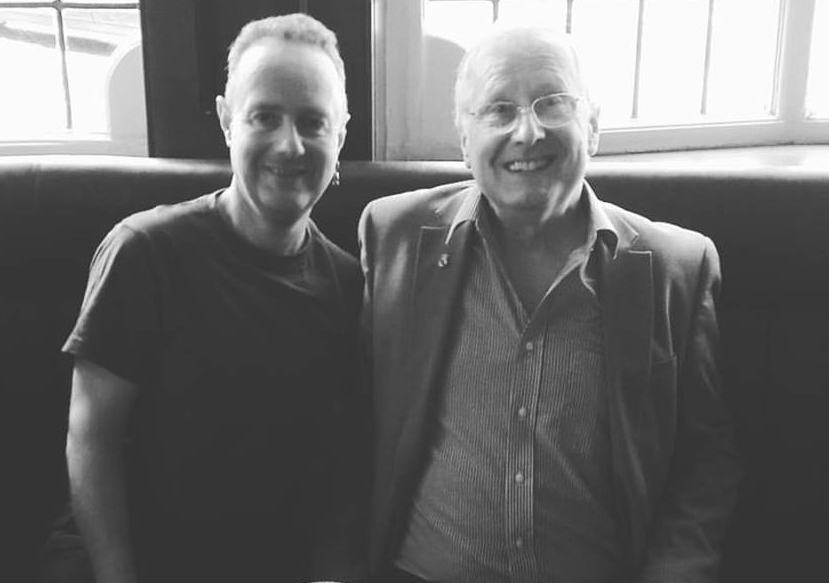
Peter Dixon & Keith Armstrong.

Northern Voices Community Projects were set up in 1986 to give people who are denied a voice, a platform to express their views and experiences of living in the North East.

Peter Dixon and Keith Armstrong are behind NVCP and we arranged to meet in a pub along the River Tyne to find out more. The Alum House sit’s next to South Shields ferry, a handy place to meet as they are both from the North side of the Tyne.

I recently talked to Keith and featured his interview on this blog, in it he talks about his writing and poetry. In this new blog Peter pick’s out some highlights and tells a few stories from his background.

I mentioned that the last time I interviewed anyone here it was Antony Bray, drummer of black metal band Venom…

I remember Tygers of Pan Tang and all that heavy metal said Peter. But I’ll tell you about the time I worked during the day’s of the last gasps of hot metal (laughs).

From 1975-80 I worked for Northern Press newspapers which included the Wallsend News, Whitley Bay Guardian, Blyth News and where I was based, The Shields Gazette art department.

We produced the graphics for adverts and things like that. This was in the day when old presses were still being used, it really was the last gasp of hot metal!

What people tend to forget is that in The Shields Gazette you had a major employer situated right in the town centre that produced the whole newspaper under one roof.

About 250 people were working there with proper jobs and getting proper money. All buying their sandwiches, birthday cards and whatever in the shop’s right there in the centre of town.

There was a little squad of us would regularly get in The Stags Head and the Dougie Vaults spending our money on a few beers. Sadly, all those workers have gone now.

Before Northern Press I done some stuff for Vince Rea at The Bede Art Gallery in Jarrow and also designed single and album record covers for the Newcastle band Punishment of Luxury.

How did you get involved with them ?

I was doing background scenery for The Mad Bongo Theatre Company and a member of the band, Brian Bond got in touch. Then I met Neville Luxury and the drummer Red Helmet.

They done a single called Puppet Life and Tony Visconti (Bowie, Bolan & Morrissey producer) reviewed it for Sounds newspaper. He described the sleeve that I done and said I was sick (laughs).

I also co-edited a monthly magazine called The Informer. That was distributed around the North East from Hexham, up to Blyth and down to Tyneside. We done around 10,000 copies a month and it ran from 2000-2010.

It was originally for The Tyne Theatre but it became too expensive to run so became a magazine in its own right. It was a What’s On and live performance mag. It was meant as a gig guide that you could roll up and put in your pocket.

I ran it with my co-editor. He collated the live dates and information where I designed and wrote the press releases and interviews. We both used to sell advertising. Again, running it became expensive, so it folded.

What is the background to the Northern Voices project ?

I worked with Keith who was a Community Arts worker in Peterlee, and we always had some kind of publishing activity going on. It was an end result to our work in design, poetry and writing.

Back in the ‘70s we were involved with Tyneside Street Press which was a bit radical. There was a whole collective of people working on it. A bit like your punk fanzines, printed on A4 but it was news stories we were doing.

Yeah, it was a time when people could make their own papers and booklets said Keith. The idea was we could control the whole process from writing, printing and publish it all ourselves.

It was a place where people could express themselves in their own words. We had connections with other city’s that were bringing out alternative newspapers.

Peter added A lot of poetry was going on then plus the art stuff. It was part of the pop culture, challenging the existing order and critical of what was happening. But there was always an interest of the indigenous population and what was going on.

Yeah, said Keith it was the spirit of the ‘60s and ‘70s, the alternative idea’s sprouting up a bit like the music that was around then. There was a distinct northern voice, we always had something to say. It’s a fundamental idea and very democratic.

Keith talked about an earlier version they produced called Strong Words he said it lasted a few years and done a number of publications…

It sold around 3,500 copies which was really good for us then, we sold it worldwide (laughs)…including South Shields. We used to go around interviewing people rather like what you are doing now for your blog.

Some people were quite chuffed you know…’Somebody’s bothered to knock on my door and asked about my life’. Otherwise, it would go unrecorded.

DSCF0918

Did you receive any funding ?

We didn’t go to funding bodies then, we were autonomous. It gave us a freedom. We put together a publication called Missile Village which was about Spadeadam, a military test base, and it’s impact on the village of Gilsland in Northumberland. The Blue Streak Missile was tested there and at Woomera in Australia during the ‘70s.

The general ethos is to give people a voice, so we talked to the local villagers about the idea that the Government had decided to have a missile on their doorsteps. A farmer told us that ‘it’s nowt but a puff of smoke’.

Peter brings the story up to date and talks about work they are doing now…

Mostly its history books funded by North Tyneside Council. Things on The Hartley Pit disaster, George Stephenson, the Wooden Dollie’s of North Shields and writer Jack Common.

To an extent it’s easier now to do the whole thing yourself rather than farming it out to someone else. Not like the old days of laying it out for typesetting.

The difference from the old days to now is that we are doing full colour. Back then a lot of it was single colour. To an extent there is a satisfaction of producing it yourself.

Keith checks his watch Well we’ve missed the ferry we’ll have to wait for the next one, might as well get another pint in. As for Northern Voices, yes, we’ll keep plugging away.

For further information contact

http://www.northernvoicescommunityprojects.co.uk/Northern_Voices_Community_Projects/Welcome.html

Interview by Gary Alikivi    May 2019.

NIGHT OF THE TUBE with former TV music producer Chris Phipps

How Frankie Goes to Hollywood were discovered by default, why Tina Turner was nearly not on, what was a life changing career appearance for her. Also, what was Ozzy doing in a coffin on City Road ?

Hear all the backstage stories from ‘80s music show The Tube at a free talk by Chris Phipps.

The Tube was broadcast from Tyne Tees Television Studio 5 in Newcastle and hosted by Jools Holland and Paula Yates. It showcased everyone from Madonna, French and Saunders to Frankie Goes to Hollywood.

I was in the audience for the early shows and watched some great bands including Thin Lizzy, Big Country, The Alarm and American rock singer Pat Benatar.

Chris will be talking about the sights and sounds from behind the scenes when he worked on the show. ‘As an ex-BBC producer, I initially only signed up for three months on this unknown programme and it became five years! I was mainly hired because of my track record for producing rock and reggae shows in the Midlands. On the night I’ll be telling of my Jamaican exploits’.

Chris will also have copies of his new book ‘Namedropper’ for sale at a special price.

Newcastle City Library (opposite Trillians Bar) 8pm Saturday 18th May 2019. Free entry.

Namedropper Cover

Interview by Gary Alikivi    April 2019.

MORE THAN WORDS with North East poet Keith Armstrong

I’m standing at the bar in The Bridge Hotel in Newcastle waiting for poet and writer Keith Armstrong. If you imagine someone looking like the actor Bill Nighy, you’re not far wrong.

He breezes in and before you know it we are sitting in a quiet corner and after his first sip of cider he tells me a story…

I took the train down to London with a mate of mine, it was 1977. We had third row tickets for the Rainbow Theatre to see Bob Marley and the Wailers.

We were frisked as we went in, everyone was, but through a heavy fog of ganja smoke we saw a fantastic show. He had such a presence on stage. It was pretty much the best concert I’ve been to in my life.

First time I travelled abroad was in 1966. I went with a friend, we took a Melody Maker trip to the Berlin Jazz Festival. Flew over there then got a coach past Checkpoint Charlie to the venue. It was afternoon gigs, avant garde stuff and the big jazz guys of the day like Miles Davis, Stan Getz and Sonny Rollins were on the bill.

We got back to London and walking down Carnaby Street we bumped into two of the Beach Boys who we went to see in concert that night at Hammersmith Odeon.

313343_10150279462417234_211706092_n

What is your background ?

I was born and bred in Newcastle and my father worked in the shipyards. Absolutely steeped in the tradition. School days were spent at Heaton Grammar and it taught me to be a rebel because I couldn’t stand the confinement of the place. Just being edgy, wanting things to change – haven’t lost it.

First job I ever had was at Newcastle University Library I got paid six pounds 14 shillings and threepence a week. I was always bookish at school, so libraries were good to get into. Plus, I was the only boy amongst 15 women librarians – I learnt a lot.

Gateshead College was another library I worked at in the early ‘70s. Within that I was developing an interest in the arts and arranged events with poets and theatre.

From 1980-86 I was a Community Arts worker in Peterlee, County Durham then went freelance as a writer. I was glad to escape the 9 to 5 into an alternative prison of freelance (laughs).

I was interested in people like Dylan Thomas, the rhythm of his poetry. Actors like Richard Harris, hell raisers like Oliver Reed – all good role models! Yeah, in my early days I loved the old bohemian lifestyle of reading poetry and getting tanked up (laughs).

Listening to The Beatles, Bob Dylan, they were all there and I wrote poetry but always felt that I wanted to make them song-like. That’s why I ended up working with Gary Miller and The Whisky Priests. (Featured on the blog March 23rd 2019).

20108676_10212751378275783_1952693382877553180_n

Keith with North East musician Gary Miller.

How did that come about ?

I was writing lyrics and I see very little difference in poetry to song lyrics. Around the early ‘90s I cottoned on to The Whisky Priests. I was looking for a band that had an edge, a bit of anger, you know a bit of an attitude. Also one steeped in the working class tradition of the North East.

So, I asked this guy Ross Forbes who was press officer at the NUM and he mentioned The Whisky Priests. I found they were playing at The Rose Tree in Durham. I went along and I knew this was what I was after, even I got up dancing (laughs).

It was really important for me and my poetry as it’s a different audience for what I write. And they weren’t playing in just the backroom of a Folk Club. They were taking it forward, for a younger audience. We also travelled a bit to Germany, Holland and Ireland.

I always admired the fact Gary could write songs and was quite prolific about it as seen on The Whisky Priests anthology box set. But yeah, I wrote some lyrics, they recorded Bleeding Sketches and it came out in 1995.

What does writing mean to you ?

When I do write it’s to express my emotions and follow my heart. That’s why I like Gary Miller because he is like that. We worked on a project together called The Mad Martins. They were three brothers one of which has his paintings in the Laing Art Gallery in Newcastle.

I researched the story and asked Gary to write some stuff for it, that’s how it kicked off. It’s a special story that we put out on a triple CD. But writing, I couldn’t live without it.

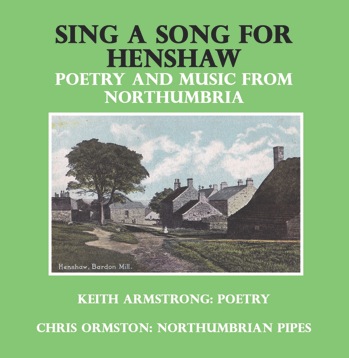
Henshaw cd front jpeg

What you working on now ?

Well, I’m just forcing myself to write at the minute. Emotionally I’m a bit sapped with things going on around me you know, personal stuff.

There are plans to go out to Tuebingen near Stuttgart with Northumbrian piper Chris Ormston as part of a Cultural Exchange arranged with County Durham. That’ll be in July.

Originally, they sent me over there in ‘87 as Poet in Residence and I’ve been going back there ever since. Then in October it’s same again for Limerick over in Ireland, fell in love with the place and they keep inviting me back.

But I could still be reading my poetry to 10 people in the back room of a pub in Penrith. Why do it? I don’t know. But I’m keeping my options open (laughs).

Interview by Gary Alikivi    April 2019.

LOST IN THE SUPERMARKET – What price music ? ask North East musicians Carol Nichol, Paul Binyon & John Clavering.

What price music ? Is it just another product on the shelf ? Is the value of music being overlooked, and do we need to handle it with more care ?

Three North East musicians, Carol Nichol (Lowfeye/The Relitics), Paul Binyon (Mandora) and John Clavering (Cortney Dixon band) are passionate about music and reflect on what it means to them today.

Carol Nichol: Being creative, writing and recording your own material is worth nothing now in society. It’s a struggle for any working class artist or band to survive. Apart from middle class students from the Brit Acadamy and their connections in the music industry, does anyone have a voice now ?

Paul Binyon: Tyneside has always been a hot bed for musical creativity and over the years has produced some outstanding musicians/bands. I do however feel more concerned for originality these days. Original music has always been of the utmost importance to me.

Although I’ve been involved with cover bands too it’s always the shear buzz of creativity that excites me most. To see an audience enjoy and respond to songs that you’ve written is the ultimate reward and of course I thoroughly enjoy being in the audience appreciating other bands original music.

John Clavering: Up here in the North East you’ve got The Cluny, The Star and Shadow who promote original stuff. But there is hundreds of pubs who would only pay for a cover band. I’ve been offered gigs on keyboards with cover bands but I’m just not interested.

Bands playing Queen covers at a wedding – it’s an industry itself. That is ok there is a need for that but I don’t think it encourages creativity and new music. Pubs don’t want to take the risk of a band playing it’s own stuff.

Carol Nichol: When you hear of the venues closing which had character especially the decor of old ballrooms, it’s heart breaking.

The independent music scene is extremely important for the survival of original bands to exist and be discovered. For decade’s this has always been a great platform for a lot of bands. There is nothing more exciting than a small intimate venue when a band are level with a crowd.

Paul Binyon: My concern is the lack of independent venues. They seem few and far between these days. Even the few that we have tend to lean more toward the covers and tribute scene than original. I understand that there’s a risk involved with booking original bands for fear that there’ll be a small turn out and the venue won’t make any profit or lose money. But this is catch 22 because more venues need to support original bands so that they can build a following and fill rooms.

Carol Nichol: I think the future of independent venues looks very bleak especially with a younger generation who are more obsessed with social media and computer games. Kids don’t venture out as much and are too obsessed with reality music programmes on tv or should I say karaoke shows. People are more into mainstream and cover bands so aren’t willing to discover something new.

Paul Binyon: With it getting harder to secure gigs and with the amount of pub closures I’m afraid one day, originality on the local scene will become a thing of the past.

Without working together to try and fix the current situation, I gotta say it looks bleak. But I live in hope that sooner rather than later it goes back to somewhere close to what it was like in the mid 80’s where the choice was a difficult one to make as to which venue you went to, and to see which band because there was so many.

John Clavering: There are original bands out there who use the internet as their only outlet. A lot of niche stuff getting heard on Soundcloud and Spotify. But there is nothing like standing in the front row of a gig. You will never get that feeling from watching You Tube on your phone (laughs).

Got a music story to tell ? Get in touch and leave a message.

Interviews by Gary Alikivi January 2019.

MANTRA FOR THE MASSES with Nod the Geordie Poet

These days semi-retired university lecturer Alan Clark is married with two grown up kids and lives near BBC studios in Borehamwood, London. But back in the late ’70s he was on the dole living in a house full of punks in Jesmond, Newcastle…

We lived in Chester Crescent which must have been grand at one time but some of the houses were decaying, and the council took them over and let them out cheaply.

One of the first Northern punk bands, the Big G used to practice in our living room. I think we lived next door to a vicar and he may have complained from time to time.

When the Big G split in 1979, The Weights formed and played Newcastle, the Edinburgh festival and gigs in London

I used to perform at their gigs and then got opportunities all over the place, including the telly.

Who were your influences ?

I was really interested in the Liverpool Poets, especially Adrian Henri. I thought that punk needed poetry as Adrian Henris generation of freaks and hippies did. I was also reading Allen Ginsberg poems and in fact met him at Newcastle Uni when he did a gig there.

I always liked writing at school and wrote daft things just to amuse my mates. About ‘78 I wrote a poem about Daz and one of my housemates Walter from The Weights said I should come and do a gig.

Where was your first gig ?

That was at The Guildhall on the Quayside. It was a Weights gig with other bands on too. They played backing for some of my poems, including 12 bar blues for Daz and a trippy poem about magic mushrooms.

We were all into Frank Zappa. Micky Emerson aka Red Helmet was the experimental lead guitarist. Norman, his brother, was the drummer, Walter aka Peter Howard was and still is a well-known man about the Toon and Anth Martin was the singer and main songwriter. He went on to do a literature degree at Oxford.

As for my experience, well I was quite nervous, but the alcohol and herb helped. I remember I nearly got in a fight with some squaddies for being critical of the government and the army!

You supported The Clash at Newcastle City Hall in 1982. Was this the highlight ?

I enjoyed doing the gig with The Clash and meeting and joking around with them afterwards. But they were strange times for me. I was badly beaten trying to get in to the City Hall. I explained on the door that I was the support act and they didn’t believe me.

I saw one of the roadies and lurched in to get his attention but was set upon by a mob of City Hall stewards. They got me on the floor and kicked the shit out of me.

By the time I got on stage I was bruised and bewildered. I performed mostly with a backing track. One poem was War On The Scroungers, and in parts, I mimicked a posh Tory accent. I had a distinct impression that people didn’t really get the satire!

Curiously, I’d worked at the City Hall as a steward in the early ’70s and knew the head guy Ivor, who looked very apologetic afterward, but wouldn’t say so. I took a case all the way to the council committee in charge of the Hall and explained to them I had done some non-violence training.

The stewards said I was foaming at the mouth and that was their excuse. The council committee agreed and I never got an apology.

You mentioned TV opportunities…

I was on John Walters programme on BBC Radio 1, you may remember him as John Peel’s producer. I was on local culture programmes for BBC North East and Tyne Tees around 1980-82.

I performed Daz on location in Wallsend. They filmed me in front of an old washing machine with Swan Hunters shipyard in the background.

Then I recorded some work in the BBC studio, and a performance for Come In If You Can Get In on Tyne Tees. I was pursued by The Tube at one stage, but didn’t have a manager and was a bit too disorganised to follow up.

What were your poems dealing with ?

I was quite political and involved in anti-nuke politics. I was fascinated by nuclear issues and went to CND meetings in Newcastle, but also got involved in the campaign to stop Torness nuclear reactor which is just over the England-Scotland border.

I lived as part of the occupation for a while and travelled up and down to Newcastle. I also went on big marches in London and actually got invited to play at the women’s peace camp at Greenham Common.

What was the attraction to nuclear issues ?

I had a strange experience when I was young. I was standing at a bus stop waiting to go to school when the whole sky lit up bright pink. I traced the date and it looks like I was seeing effects from what is called the Tsar Bomba. The 50 megaton largest nuke ever let off in Russia.

Tyneside is nearly 2,000 miles from where it was set off on Novaya-Zemlya island. Neither the UK nor any other European nations set off a nuke in Europe.

The Tsar Bomba was the only explanation I could ever find for what happened. I have yet to meet another person who can confirm that they saw it.

Was performing taking a back seat to protest ?

I moved to Whitby in pursuit of love, then after falling out of love, moved to Corbridge. I was living in an old pottery and used to practice guitar and singing in the large kiln chimneys. I was busking all over the North East, and made good money in the Monument Metro in Newcastle.

I kept on performing in various venues and events and would regularly work at The Cooperage and did some recording with The Weights.

By 1984 the rock and roll lifestyle was taking its toll. I decided to give up the material world and ran away to join Hare Krishna who I’d met when doing a gig in Suffolk. I went cold turkey working in a restaurant at the Krishna temple in Leicester.

Being a Hare Krishna involved a lot more than chanting on Oxford Street and I was eventually involved in the running of the movement in the UK. I met some very kind and thoughtful people, but also, some people for whom the religion seemed to be a cover for extreme selfishness.

I was lucky to make friends with some of the original devotees who came to the UK in 1968. Through them I met George Harrison a few times at his house in Henley and we had a few chats about gardening.

I began to have doubts about the philosophy of the movement and after an extended period in India I stopped being so involved. One of the main benefits was meeting my wife Akinchana, who is Indian. We have a daughter who is 27 now and a son who is 21.

When I left the movement, I ended up doing a degree, as a very mature student and then an MA, getting work as a lecturer in media at the University of Hertfordshire.

What are you doing now ?

I’m still teaching, although cutting back as I’m close to retirement. It means I have more time for writing and recording. I’d like to do some performing one day. The most recent track I recorded and mixed was just over a year ago and is on soundcloud.

Interview by Gary Alikivi   February 2019.

TWO YEAR LATER…. Alikivi blog in the news.

A 2 year milestone for the blog is four articles which featured in local newspaper The Shields Gazette in the last few weeks. Included in the articles are extracts from some of the interviews I’ve done with musicians.

https://www.shieldsgazette.com/lifestyle/nostalgia/hair-raising-adventures-of-a-south-tyneside-musician-1-9573698

https://www.shieldsgazette.com/lifestyle/nostalgia/hanging-bed-sheet-from-south-shields-bridge-to-promote-gig-1-9560464

https://www.shieldsgazette.com/lifestyle/nostalgia/how-guitar-present-led-to-a-life-of-music-1-9547817

https://www.shieldsgazette.com/lifestyle/nostalgia/when-south-shields-had-a-thriving-rock-scene-1-9535098

Gary Alikivi  February 2019


SOUNDS ALIVE: The Power of Music

The adrenalin rush of the thunderclap from Icelandic football fans. The guitar intro to Alternative Ulster by Stiff Little Fingers. Kurt Cobain’s anger on the Nirvana anthem Smells Like Teen Spirit.

And what about John Bonhams bombastic drums on When the Levee Breaks ? Sound has a real strength and songs have unforgettable moments. What’s yours ? 

Music has a power to ignite and heal. Rewind to the ’80s. A charity single aimed at raising money for famine relief in Ethiopia. Pop and rock stars of the day including the Durans, Spandau, Quo, Sting, Bono and not forgetting Bananarama crammed into Sarm West studio in London.

Songwriters Bob Geldof and Midge Ure realised they didn’t have a nice little charity single on their hands but a major pop record when George Michael and Boy George laid down their vocal tracks on Do They Know it’s Christmas.

The song raised millions and the Live Aid concert at Wembley Stadium followed. Bono becoming Bono. Freddy’s Big Night Out. And Geldof salutes ‘The lesson today is how to die’. History was made. The power of music.

The shelves in my local library are full of music related books. Lately I’ve read biographies by Judas Priest guitarist K.K. Downing and the Russian classical composer, Prokofiev. Complete contrasts ? Prokofiev has his lighter moments but listen to Dance of the Pagan Master. That’s Heavy Metal from way back.

You’ll also find a bit of Prokofiev in Greg Lakes I Believe in Father Christmas. Check out the horse drawn sleigh in Troika. Wonderful sound. What am I saying here ?

Well, not only do we want to listen to music, but read about it and talk about it. That’s the power of music.

Of course, we all have our own tastes and top ten lists. But music is a leveller, and it can be used to sum up our feelings at any given moment.

After the England football team were beaten in the Euro ’96 semi-finals Walk Away by Cast was played on TV over pictures of the manager Terry Venables head down, hands in pockets walking down the touch line knowing this was probably his last match in charge.

In that team Geordies Gazza and Shearer stood tall. But football didn’t come home that day. 

The internet in the late ’90s. Is that when music started to lose its value? I’m not talking about value that rings the till. More of a value that can be considered important. Even cherished.

In interviews guitarist Noel Gallagher talked of Oasis not being the most popular band in the ’90s, but the most important. Blur might have something to say on that one, but they never had quarter of a million at Knebworth.

What is the attraction of music? Some songs have great stories. You’ll have your own favourites like the first records you bought. The songs that marked important moments in your life. The inspiration behind them, who wrote the lyrics and what it means to you.

And finally, your funeral song. Yep, some people have their favourites ready for when they finally check out. Music really is the soundtrack to our lives. From beginning to the end.

Well the music is your special friend. Dance on fire as it intends 

Music is your only friend. Until the end.  (Jim Morrison, When the Music’s Over). 

Gary Alikivi   October 2018.

ALIKIVI

Recommended:

1980 The Year Metal was Forged on Tyneside   11th Feb. 2018.

Rockin’ All Over the Toon  22nd May 2018.

Rockin’ All Over the Toon Again  14th Sept. 2018.

When the Music’s (not) Over 24th Sept. 2018.

For more Tyneside stories why not subscribe to the ALIKIVI You Tube channel.

BOMBS IN THE BLACKOUT – with author John Orton

This is the third blog on a series of books written about South Shields by author John Orton.

The first appearing on 1st October ‘Bobbies, Bookies and Beer’ and a second installment last week ‘Bread, Jam and Cow Heel Pie’…John takes up the story…. 

‘I had just published the Five Stone Steps: tales of a Policeman’s life in 1920s South Shields. I was writing a sequel and wanted a last story about the War years. Sergeant ‘Jock’ Gordon whose memoirs inspired the book does not say a lot about the war and most of that is taken up and criticising the War Reserve Police.

I started doing my own research. I had no idea how bad things became for everyone during the War, and in particular how much the town of Shields had suffered during the Blitz. There was enough material for a book let alone one story.

When people think of the War their first thoughts are of the heroes on the front line but the battle at home during the German blitzkrieg was in its own way just as tough.

There was a whole army of young and old, men and women, who became ARP Wardens, street firewatchers, auxiliary fire-fighters, and ambulance crew, war reserve police, rescue squads and the WVS who took out the mobile canteens for the rescue workers’.
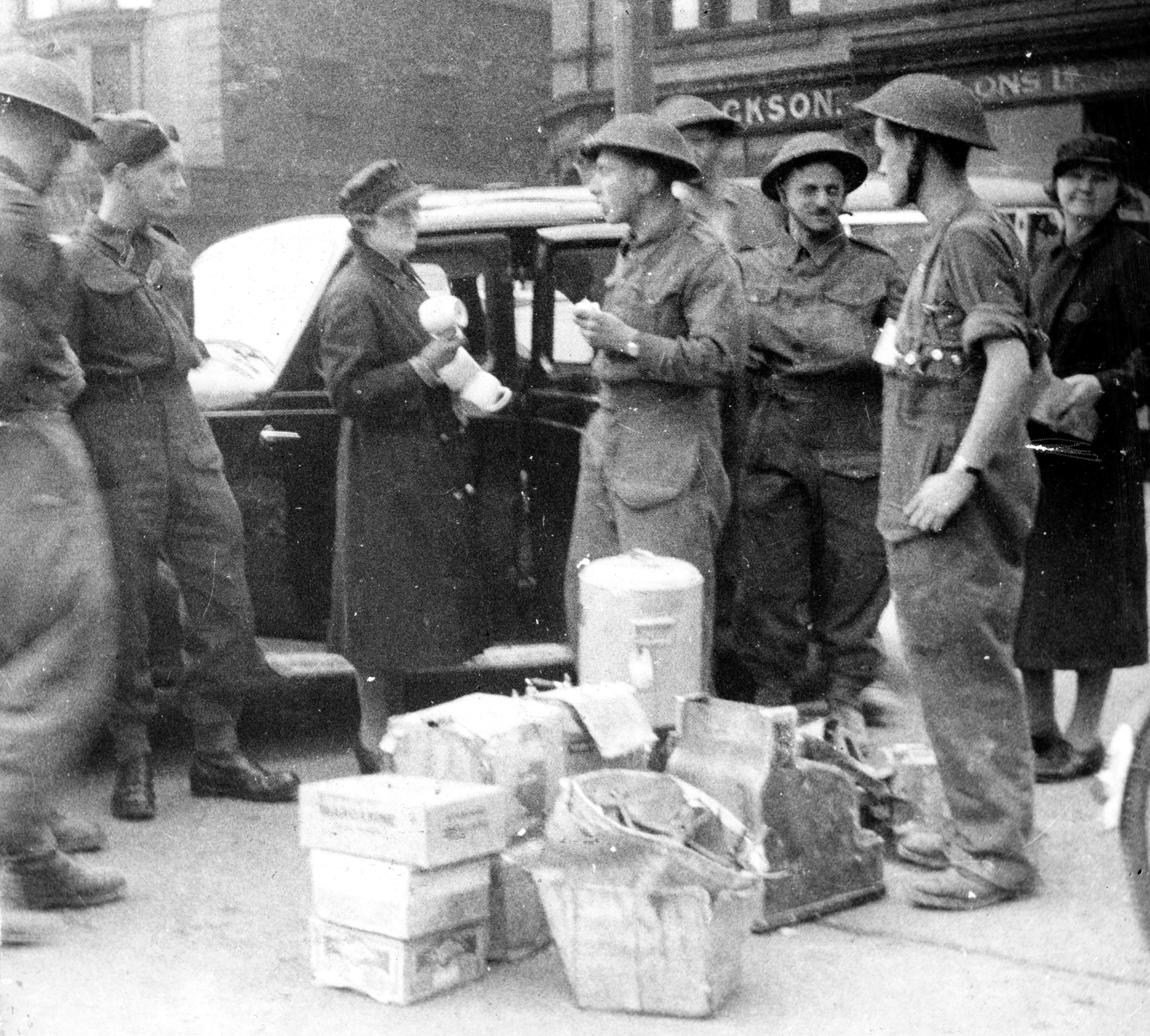
National Fire Service Mobile canteen STH0000228

National Fire Service

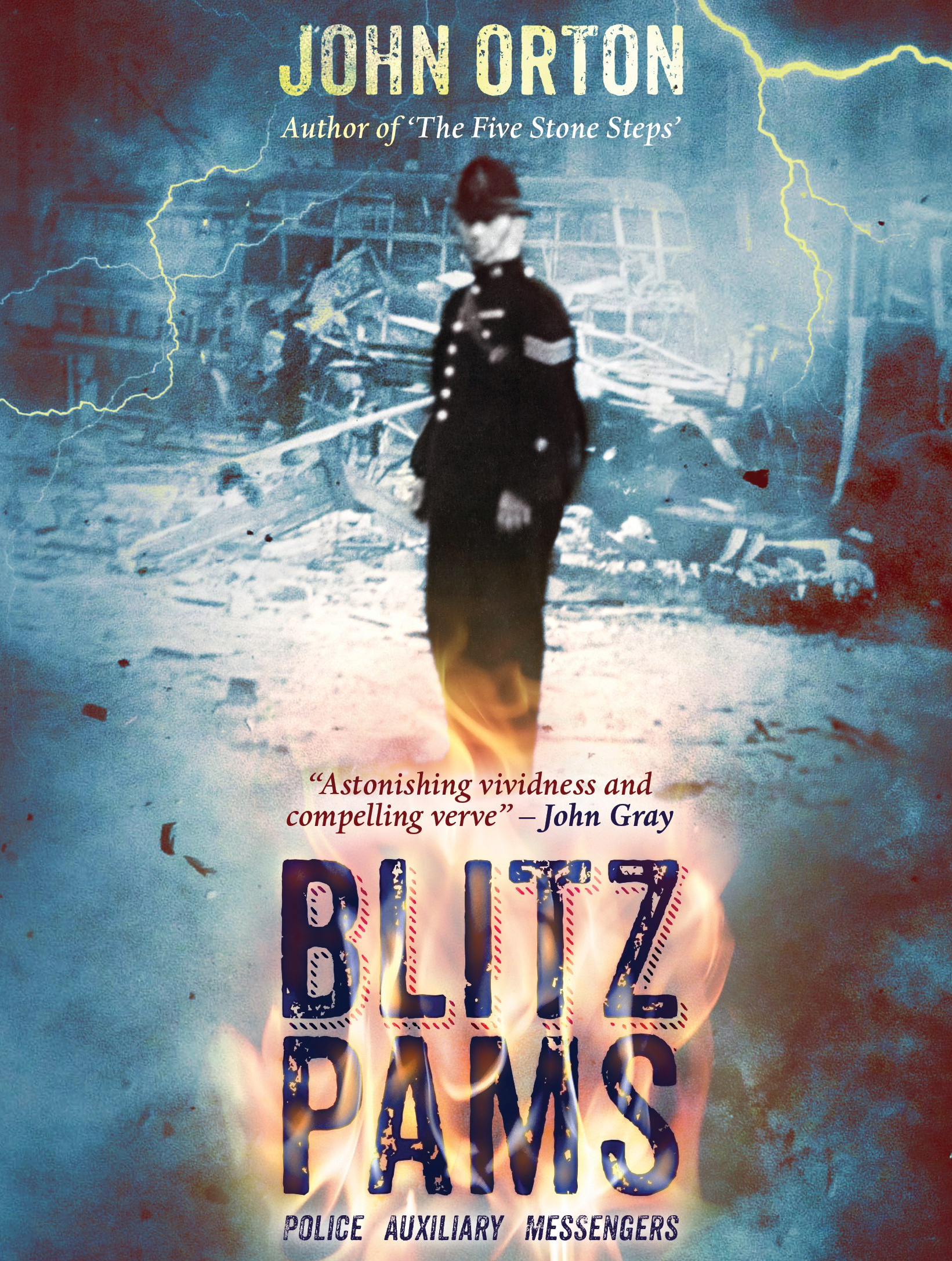
‘Then I discovered the PAMs – police auxiliary messengers – lads between 16 and 18 with their own bikes who would go out during and after raids to deliver messages – when the phone lines were down they were the only way of getting messages through.

The thought of young lads riding their bikes in the blackout, with bombs flying round their ears, was the inspiration behind Blitz PAMs.

Once I’d got the idea and finished my research I found the perfect voice for the story – Mossie Hamed, a 16 year old delivery boy, of mixed English and Arab stock, who speaks with a broad Shields accent.

The story told itself and sometimes I had a job keeping up with it! The book was finished in about 6 months which is quick for me’.

How much of the book is fact or fiction ?

’The story of the book is how six young PAMs, Mossie, Davey, Jimmy, Freddie, Mattie and Jackie, who turns out to be a lass, live through the blitz on Shields, and cope with life knowing that their name might be on the next bomb.

Their adventures, scrapes and adolescent fumbling’s with lasses, paint a vivid picture of what life was like for teenagers in the war.

The PAMs are all fictional characters but their exploits – uncovering a black market racket, exposing a Policeman who is looting bomb sites, and rescuing a budgie from the ruins, are all things that happened during the war. 

The descriptions of the air raids themselves, the death and damage they caused are all based on fact.

A German Henkel did crash land on the seafront and the German pilot who baled out was killed when he landed on the live trolley bus wires.

A 1000kg bomb did crash through the roof of the power station landing on the top of one of the boilers without exploding; a direct hit on the underground shelter in the marketplace killed at least 12 people who were sheltering inside.

The foreman of a rescue squad was awarded the George Medal for bravery’.

Did researching the book effect you in any way ?

Where you saddened or shocked at the amount of war damage done to Shields ?

’I was really moved by the resilience of all the emergency services and their auxiliary/volunteer helpers in the face of the German bombing. These were people who for the main part had full time jobs but still turned out at night if there was a raid.

On Wednesday 9th April 1941 a major raid targeted the riverside. About 6,000 incendiary bombs were dropped. Once The Lawe Top area lit up it was a perfect target for the bombers. Mile End Road and the surrounding streets were hit hard’.
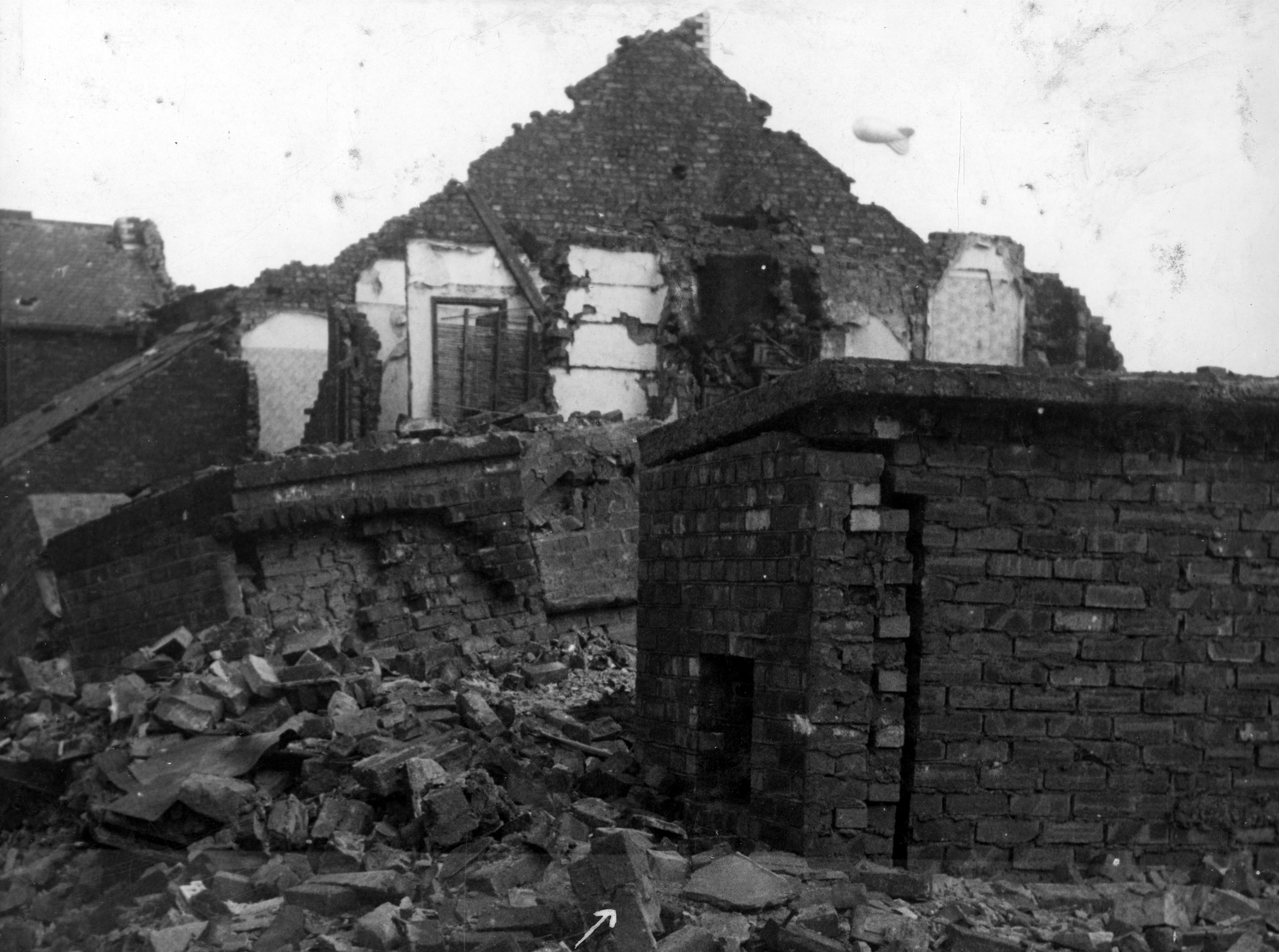
Surface Shelter Mile End Road STH0001089

Mile End Road, South Shields

‘This shelter was surrounded by houses – they were all blown to smithereens but the shelter stood firm – you can see the six inch crack that went from the ceiling to the ground but all inside were kept safe.

The unsung heroes in this case were the corporation brickies who built the shelter – thank heavens they didn’t have a team of cowboys who are putting up modern houses!

During this raid the Shields ARP called for mutual aid from surrounding towns. Sunderland sent their fire-fighters who took on the fires at the dockside. The ferocity of two other raids did shock and sadden me.

They were only a couple of days apart and left a lot of the town in ruins’.

Can you tell us a story from the book ?

’There are many humorous passages but here is one that brings home how dangerous life could be for the PAMS. The action takes place during the raid on the Market Place on 2nd October 1941.

Mossie and Freddie have been sent out on their bikes to the Market Place to see what help is needed. Freddie has had an on and off relationship with Gertie, one of the auxiliary ambulance drivers.

As they near the Market Square Freddie sees Gertie in her ambulance. Mossie takes over the account of what happened next…..

“I’ll cut them off,” Freddie called oot as he tore strite across the Market Place standing on his pedals. I was way behind, and riding ower cobbles is bad enough when you’re gan’ slow.

He was past the auld Town Hall and took one hand off the handle bars to wave to the ambulance driver, and then the bombs came doon. I dain’t kna’ how many there were but the last thing I saw was Freddie flying through the air, and then the blast caught me. I was oot for a couple of minutes and didn’t kna’ where I was.

I came to, feeling a bit sick, and couldn’t hear owt. I was just behind the auld Town Hall and that must have saved me from the full force of the blast. All I could see was flames all roond.

Me bike was on top of me and I pushed it away and got to me feet. I had a stab of pain in me left leg and had a job putting any weight on it, but that was all. A trolley bus ootside the Tram was alight.

I then saw Gertie get oot of the ambulance. You couldn’t mistake her. She was running towards where I’d last seen Freddie. Then she was doon as there was a geet big explosion from Dunn’s Paint stores, and blazing tins of paint and oil were gan’ up like rockets and then coming doon like fire bombs.

She got up and ran forward and I limped across as quick as I could. I saw her bend ower and pick something up – it looked like a pile of rags.

I was nearly there and realised that it was Freddie – I was reet beside her but she was strong enough and then something dropped doon. I bent ower to pick it up and it was the bottom part of a leg with a boot on.

Gertie had stopped as well. “What should I de with it?” I started puking. “Bring it with you, Mossie. We’ll keep him all together. He’s still breathing”.
blitz pams cover

If you want to know what happens to Mossie and his marra’s read ‘Blitz PAMS’. Out now on e-book or paperback through Amazon or you can order copies at The Word bookshop, South Shields.

What else have you been working on John ?

’After I’d finished Blitz PAMs I started on ‘A Chill Wind off the Tyne’. My sequel to the Five Stone Steps had been put on hold while I wrote Blitz PAMs.

I went back to it but it was one of those works that you’re never really satisfied with and I rewrote it several times.

It tells the lives of the working class in South Shields in the first half of the twentieth century. The harsh working conditions, the pit lock-outs of 1921 and 1926, the riots in Shields when Arab and white seamen fought over jobs in the streets.

Life on Tyneside during the depression of the 20s and 30s was hard but folk got on with it, laughed and loved, liked a pint and a bet.

Bought their shopping on tick and ate bread and dripping, tripe, brawn and even cow heel pie… ‘Well, you’ll eat owt when you’re hungry’.

Photographs courtesy of South Tyneside Libraries.

Interview by Gary Alikivi   September 2018.

Recommended:

Secrets & Lies, Baron Avro Manhattan documentary, 17th July 2018.

Westoe Rose, Amy Flagg documentary, 19th July 2018.

Zamyatin, Tyneside-Russia documentary, 7th August 2018.

Peter Mitchell, Life In a Northern Town, 9th August 2018.

Ray Spencer MBE, That’s Entertainment 6th September 2018.

John Orton, Bobbies, Bookies & Beer 1st October 2018.

John Orton, Bread, Jam & Cow Heel Pie 17th October 2018.

Why not subscribe to the ALIKIVI You Tube channel for more Tyneside stories. You will find the link on the ‘About’ page.